
Freight handler job description
A comprehensive job description template for freight handler positions in Australian logistics businesses. Covers loading and unloading freight, sorting shipments, equipment operation and safety compliance aligned with the Storage Services and Wholesale Award or Road Transport Award.
Freight handler job description
PDF format • Ready to download
By downloading, you agree to our template disclaimer
This freight handler job description template is designed to reflect Australian workplace standards and logistics industry practices at the time of publication. Confirm the applicable modern award for your business (Storage Services or Road Transport) and ensure compliance with all relevant employment laws. It does not constitute legal, HR, or professional advice and should not be relied on as a substitute for advice specific to your business, workforce, or circumstances.

What does a freight handler do?
A freight handler loads and unloads freight from trucks and containers, sorts and organises shipments, palletizes goods, completes freight documentation, inspects items for damage and operates warehouse equipment like pallet jacks and forklifts. The role is essential to logistics operations and requires physical fitness, attention to detail and commitment to workplace safety.
In Australia, freight handlers are typically classified under the Storage Services and Wholesale Award 2020 (MA000084) or the Road Transport and Distribution Award 2020 (MA000038), depending on the business type. Classification levels depend on experience and equipment operation skills.
This template provides a foundation for creating clear, compliant job descriptions that attract candidates with the right physical capability and safety awareness. Once hired, simplify employee onboarding with HR software and manage your freight team efficiently with logistics rostering software.
Key responsibilities
Core duties included in this job description template
Loading and unloading freight
Loading and unloading freight from trucks, containers and trailers using manual handling techniques and equipment, ensuring safe handling practices.
Sorting shipments
Sorting and organising freight by destination, priority and type, ensuring efficient flow through the warehouse or distribution center.
Palletizing goods
Building stable pallets, wrapping loads securely, applying labels correctly and preparing freight for storage or dispatch.
Freight documentation
Completing consignment notes, delivery receipts and freight documentation, recording stock movements and maintaining accurate records.
Damage inspection
Inspecting freight for damage during receiving and dispatch, documenting condition issues and reporting discrepancies.
Equipment operation
Operating forklifts, pallet jacks, RF scanners and other warehouse equipment safely, conducting pre-use checks and reporting maintenance needs.
Skills and attributes
Essential skills for freight handlers
Physical fitness
Ability to lift heavy items, perform repetitive manual handling, stand for extended periods and work in a physically demanding environment.
Attention to detail
Accuracy in sorting freight, reading documentation, following instructions and identifying damage or discrepancies.
Teamwork
Working cooperatively with other freight handlers, drivers and warehouse staff to maintain efficient operations.
Safety awareness
Strong commitment to workplace safety, following procedures consistently, using PPE correctly and identifying hazards.
Basic numeracy
Ability to count items, read measurements, understand weights and complete basic documentation accurately.
Reliability
Punctuality for shifts, consistent attendance, dependability during busy periods and commitment to completing tasks.
Qualifications and requirements
Freight handler positions require physical fitness, safety awareness and reliability. A forklift licence is highly desirable and often required. Previous freight or warehouse experience is beneficial but not always essential for entry-level roles.
- Working rights (Required)
Eligibility to work in Australia
- Physical fitness (Required)
Ability to perform manual handling and lift items up to 20-30kg regularly
- Safety awareness (Required)
Understanding of workplace health and safety requirements
- Forklift licence
Current LF class forklift licence highly desirable
- Previous freight experience
Experience in freight handling, warehousing or logistics
- Dangerous goods certification
Certification for handling dangerous goods beneficial
- Manual handling training
Formal manual handling or workplace safety training
- RF scanner experience
Experience using RF scanners or warehouse management systems
- Freight classifications knowledge
Understanding of freight types and handling requirements
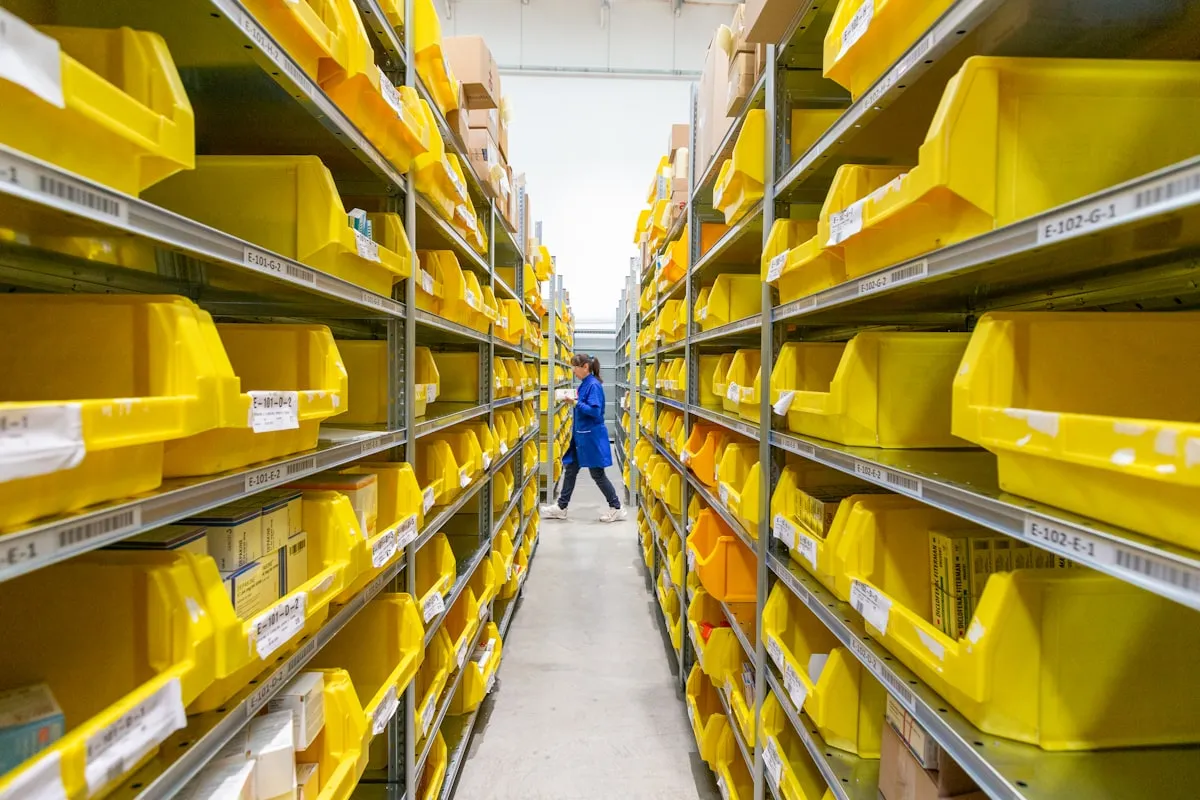
Working conditions
Set clear expectations for candidates about the freight handling environment
- Shift work including early mornings, afternoons, nights and rotating shifts
- Weekend and public holiday work as required by operational needs
- Physical work including lifting, bending, standing and repetitive movements
- Working in warehouse environments with varying temperatures
- Exposure to noise from equipment and machinery
- Use of personal protective equipment (PPE) including safety boots and high-visibility clothing
Award coverage
Understanding award coverage for freight handlers
Storage services and wholesale award 2020
Most freight handler positions in warehouses and distribution centers are covered by the Storage Services and Wholesale Award 2020 (MA000084). This modern award sets minimum pay rates, penalty rates, allowances and conditions for employees in warehousing and logistics operations. View current Storage Services Award pay rates.
Freight handlers are typically classified at Level 2-3 depending on experience and equipment operation skills. Level 2 covers basic freight handling, while Level 3 includes forklift operation and more complex tasks. Use award interpretation software to calculate pay accurately.
Road transport and distribution award 2020
Freight handlers working for transport companies or directly supporting road transport operations may be covered by the Road Transport and Distribution Award 2020 (MA000038). This award covers employees involved in the transport, storage and distribution of goods by road.
Always verify which award applies to your specific business and ensure correct classification. If uncertain, consult with Fair Work Australia or seek professional HR advice to ensure compliance.
Penalty rates and shift work
Freight operations often run extended hours or 24/7 to meet logistics demands. Penalty rates apply for Saturday, Sunday, public holiday, afternoon, night and overtime shifts. Understanding these rates is essential for accurate payroll and budgeting.
Casual employees receive a 25% loading in lieu of leave entitlements. Part-time and full-time employees accrue leave and receive penalty rates on top of their base rate. Ensure your payroll system correctly applies all applicable loadings and penalties.
Who should use this template?
This job description template is designed for Australian logistics businesses
Whether you operate a distribution center or freight terminal, clear job descriptions help attract reliable freight handlers.
How to use this template
Tips for customising the freight handler job description
Specify physical requirements
Be clear about lifting limits, physical demands and stamina requirements to ensure candidates understand the role's physical nature.
Clarify licence requirements
State clearly if a forklift licence is required or desirable, and whether training will be provided for unlicensed candidates.
Define shift patterns
Outline typical shift times including early morning, afternoon or night shifts, and weekend requirements based on your operational hours.
Detail freight types
Specify the types of freight handled (palletized, containerized, dangerous goods) and any special handling requirements.
Verify award coverage
Confirm whether the Storage Services Award or Road Transport Award applies to your business and update classification levels accordingly.
Emphasize safety culture
Highlight your commitment to workplace safety and the importance of following procedures to attract safety-conscious candidates.
Ready to hire your next freight handler?
Once your team is in place, build compliant rosters in minutes, track hours and apply award penalty rates automatically with RosterElf logistics rostering software.
Related resources
More templates and resources for logistics businesses
HR policy templates
Free workplace policy templates including code of conduct, leave policies and safety procedures.
Browse templatesLogistics solutions
See how RosterElf helps logistics businesses manage staff scheduling, payroll and compliance.
Learn moreStorage services award pay rates
Current pay rates, penalty rates and allowances under the Storage Services and Wholesale Award 2020.
View ratesRelated job descriptions
More roles in this category — free templates you can download and edit.
Inventory clerk job description
Free inventory clerk job description template for Australian warehouses. Stock counting, reconciliation, WMS duties and Storage Services Award classifications included.
Learn moreLogistics assistant job description
Free logistics assistant job description template for Australian businesses. Duties, skills, qualifications and Storage Services Award classifications included.
Learn moreLogistics support officer job description
Free logistics support officer job description template for Australian businesses. Duties, data analysis, reporting and Storage Services Award (MA000084) classifications.
Learn morePacking team leader job description
Free packing team leader job description template for Australian warehouses. Supervisory duties, KPIs, skills and Storage Services Award classifications included.
Learn moreShipping and receiving clerk job description
Free shipping and receiving clerk job description template for Australian logistics businesses. Duties, skills, qualifications and Storage Services Award classifications included.
Learn moreStock control assistant job description
Free stock control assistant job description template for Australian warehouses. Duties, skills, qualifications and Storage Services Award classifications included.
Learn moreExplore the logistics cluster
Guides, tools and templates to help you hire, roster and pay warehouse and logistics staff
Award guides
Industries
Related roles
Related features
Employment law
Glossary terms
Regulatory sources
This job description is aligned with Australian workplace award requirements.
Frequently asked questions
-
A freight handler loads and unloads freight from trucks and containers, sorts and organises shipments, palletizes goods, completes freight documentation, inspects items for damage and operates warehouse equipment like pallet jacks and forklifts. They work in warehouses, distribution centers and freight terminals under either the Storage Services and Wholesale Award or Road Transport Award.
-
Freight handlers are typically covered by the Storage Services and Wholesale Award 2020 (MA000084) if working in warehouses or distribution centers, or the Road Transport and Distribution Award 2020 (MA000038) if working directly with transport operations. Always verify which award applies to your specific business.
-
Under the Storage Services Award, freight handlers typically fall under Level 2-3 depending on experience and equipment operation. Level 2 covers basic freight handling, while Level 3 includes forklift operation and more complex tasks. See our Storage Services Award pay rates guide for current rates.
-
While not legally required, including indicative pay rates helps attract suitable candidates and sets clear expectations. You can reference the applicable award rate or use phrases like ‘Award rates plus penalties’ or ‘Competitive hourly rate based on experience.’ Check the current award rates for guidance.
Before you download
General information only — not legal advice
This document is a general HR template provided for informational purposes only. It is not legal advice and may not reflect the latest changes in legislation or apply to every workplace situation. RosterElf Pty Ltd and the template provider accept no liability for any loss arising from reliance on this document. Users should seek independent legal advice and customise the template to ensure it complies with all relevant laws, awards and workplace requirements.