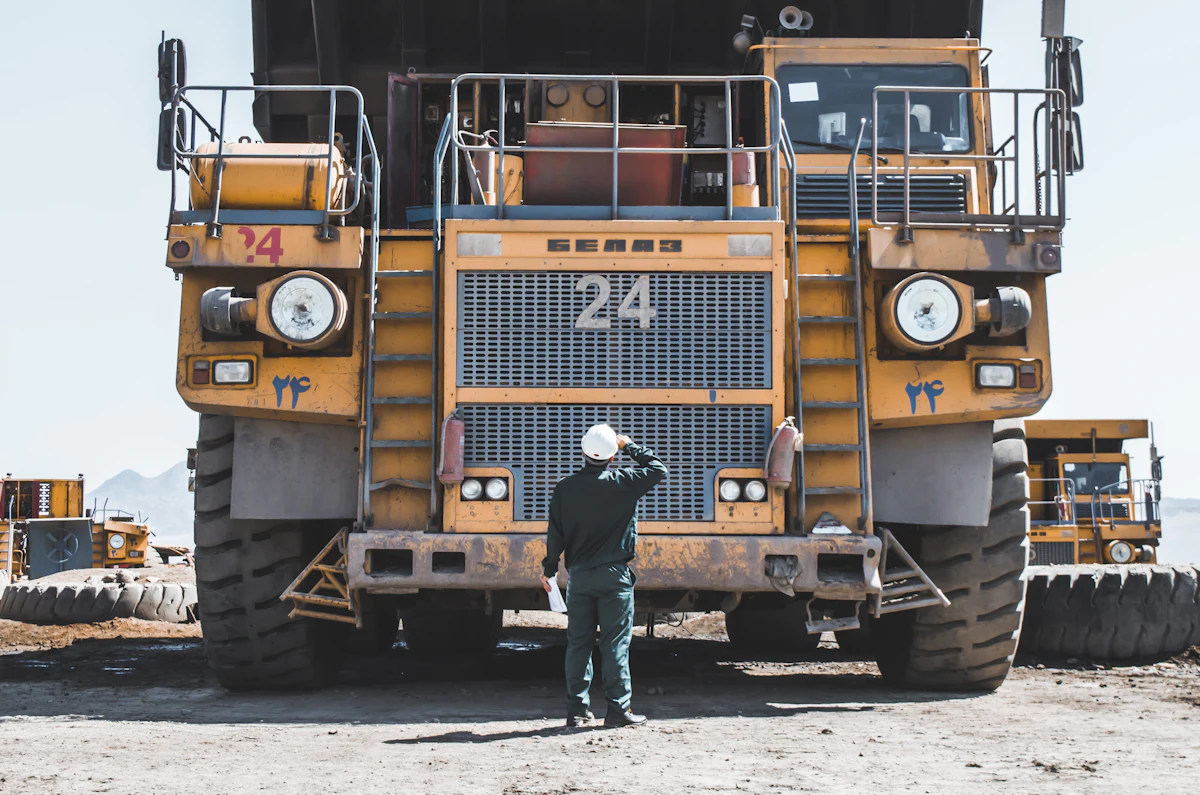
Mining is one of Australia’s most heavily regulated industries for safety — and the obligations sit squarely with the employer. Under Work Health and Safety (WHS) law, a mining business must actively manage risk, run a mine safety management system, and keep the documentation to prove it. This guide walks through the core WHS obligations for mining employers, the records you need, and how to build the policy framework that underpins them. It pairs with our guides on managing fatigue in mining rosters and the Mining Industry Award.
Quick summary
- The duty:
The PCBU must ensure health and safety so far as is reasonably practicable — a non-delegable duty
- Mining-specific:
A documented, regularly reviewed mine safety management system (MSMS) is required
- The stakes:
Penalties have risen sharply, and industrial manslaughter is now an offence in most jurisdictions
- Prove it:
Risk assessments, safe systems of work, training and consultation must be documented
The primary duty of care (PCBU)
Australia’s model WHS Act places the primary safety duty on the person conducting a business or undertaking (PCBU) — in practice, the mining employer or operator. The PCBU must ensure, so far as is reasonably practicable, the health and safety of workers and others affected by the work.
Two features matter most:
- The duty is non-delegable. You can share tasks, but you can’t contract the legal duty away — including to labour-hire or contractors on site.
- Officers have a due-diligence duty. Directors and senior officers must take reasonable steps to ensure the PCBU complies — this is a personal, active obligation, not a paperwork formality.
The core employer obligations
The PCBU’s duty breaks down into six practical categories. You must provide and maintain:
A safe work environment
Safe physical conditions across the site — pit, plant, workshops, camp and access roads.
Safe systems of work
Documented safe work procedures, permits, isolation and traffic-management systems.
Safe plant and equipment
Mobile and fixed plant that is safe and properly maintained, with records to match.
Welfare facilities
Adequate facilities for workers, particularly relevant in remote camp settings.
Information, training & supervision
Instruction and supervision matched to each worker’s role and risk exposure.
Health & condition monitoring
Ongoing monitoring of worker health and workplace conditions, including fatigue and exposure.
Mine safety management systems and the hierarchy of controls
Beyond the general duty, mining regulations require a mine safety management system (MSMS) — a documented, site-wide system for identifying hazards, assessing risk and applying controls, which must be reviewed and assessed regularly.
Controls must follow the hierarchy of controls: eliminate the hazard first, then substitute, isolate, or apply engineering controls, then administrative controls, with personal protective equipment (PPE) as the last line — not the first. Applied to a real mine, that spans everything from principal hazard management plans (ground control, mobile plant, fire/explosion) down to task-level safe work procedures and fatigue controls.
The penalties are serious
WHS penalties have increased significantly, and most Australian jurisdictions now have an industrial manslaughter offence carrying heavy penalties — including imprisonment — where a breach causes death. The WHS Act also voids insurance for these penalties. Safety documentation isn’t box-ticking; it’s how you demonstrate the due diligence the law requires.
The WHS documentation you need
Regulators — and any incident investigation — will expect to see a documented safety framework. At a minimum, mining employers should maintain:
- A WHS policy and supporting safety policies
- Hazard identification and risk assessments with a risk register
- Safe work procedures and principal hazard management plans
- Incident reporting and investigation records
- Consultation records with workers and health and safety representatives
- Training and induction records (including site inductions and contractor inductions)
- A fatigue management plan where working-time risk exists
You don’t have to build these from scratch. RosterElf’s free safety and compliance policy templates give you a documented starting point, including a WHS policy, hazard and risk policy, risk management policy, incident reporting policy, safety consultation policy, safety induction policy, and contractor safety policy.
Where workforce systems support WHS
A lot of WHS compliance is really record-keeping and control at the roster and workforce level:
- Certification and licence tracking so no one is scheduled without the tickets a task requires — part of HR software
- Fatigue-aware rostering that flags short breaks and back-to-back nights before publishing — see managing fatigue in mining rosters
- Accurate time and attendance records that stand up in an investigation, via time and attendance
- Correct award/agreement pay so compliance and payroll stay aligned — see the Mining Award guide
Good systems turn safety documentation from a scramble into a by-product of how you already run the roster.
Keep the workforce records WHS compliance depends on. RosterElf tracks certifications and licences, flags fatigue risks on the roster before you publish, and keeps accurate time-and-attendance records — the evidence trail regulators expect.
Frequently asked questions
What are the WHS obligations for mining employers in Australia?
Under WHS law the mining employer (PCBU) must ensure health and safety so far as is reasonably practicable — providing a safe work environment, safe systems of work, safe plant and equipment, welfare facilities, information/training/supervision, and health and condition monitoring. Mining operations must also run a documented mine safety management system, and officers have a personal due-diligence duty. The duty is non-delegable.
What is a PCBU in mining?
PCBU stands for ‘person conducting a business or undertaking’ — the model WHS Act’s term for the entity that holds the primary safety duty. In mining this is typically the operator or employer. The PCBU must ensure worker health and safety so far as is reasonably practicable, and this duty cannot be delegated to contractors, labour hire or individual workers.
What is a mine safety management system (MSMS)?
A mine safety management system is a documented, site-wide system required under mining regulations for identifying hazards, assessing risk and applying controls across the operation. It must be reviewed and assessed regularly and typically includes principal hazard management plans, safe work procedures, risk registers, and fatigue management, all applying the hierarchy of controls.
What WHS documents does a mining business need?
At a minimum: a WHS policy and supporting safety policies, hazard identification and risk assessments with a risk register, safe work procedures and principal hazard management plans, incident reporting and investigation records, worker consultation records, training and induction records, and a fatigue management plan where working-time risk exists. RosterElf offers free safety and compliance policy templates as a starting point.
Is industrial manslaughter a risk for mining employers?
Yes. Most Australian jurisdictions now have an industrial manslaughter offence carrying heavy penalties, including imprisonment, where a workplace breach causes death. WHS penalties generally have increased significantly, and the WHS Act voids insurance for these penalties — which is why documented risk management, safe systems of work and due diligence are essential, not optional.