
HRIS software built for Australian shift work
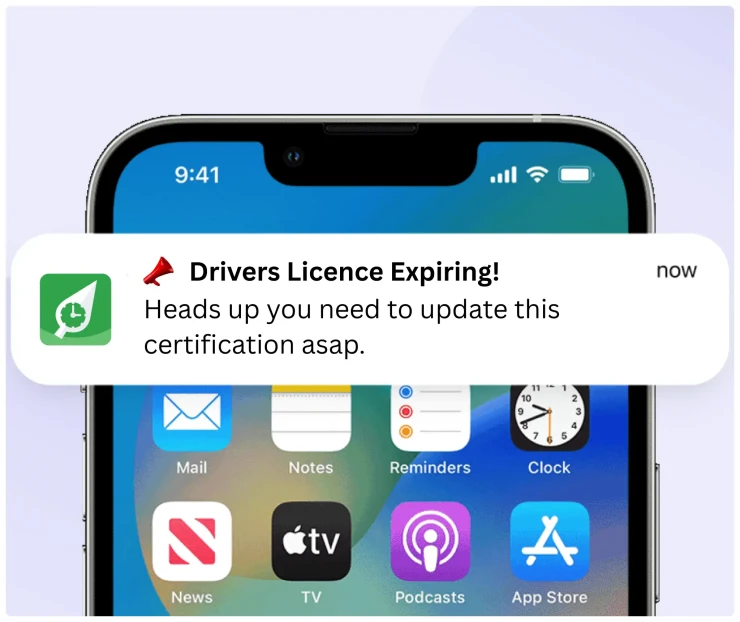
One employee record for onboarding, contracts, policies and certifications — connected to the roster that drives your wage cost, and to the award that sets the rate.
-
Modern award interpretation built in, not bolted on
-
Seven-year record keeping the Fair Work Act requires
-
Exports payroll-ready timesheets to Xero and MYOB



What an HRIS actually does
An HRIS is the single place your people data lives — one employee record that every process reads from and writes back to. If you prefer the other vocabulary, our HR software page covers the same product.
One employee record
Details, contracts, policies, certifications and leave in one place, instead of a spreadsheet, a folder and a shared inbox.
Seven-year retention
The Fair Work Act requires employee records to be kept for seven years and produced on request by an inspector.
Four names, one category
HRIS, HR software, HRMS and HCM are used interchangeably. Compare what a platform does, not the label it uses.
The short version
- An HRIS is the single employee record — details, contracts, policies, certifications and leave in one place.
- The Fair Work Act requires those records to be kept for seven years and produced on request.
- HRIS, HR software, HRMS and HCM are four labels for the same category.
- The Australian difference is award interpretation — most global platforms store a rate you typed in rather than working it out.
- RosterElf covers the HR record and the roster, and hands the pay run to Xero or MYOB.
HRIS, payroll and rostering are three different jobs
The most expensive mistake in this category is buying one and assuming it does the others. An HRIS holds the record. Payroll pays people and lodges STP and super. Rostering decides who works when, and — in Australia — what that shift costs under the award.
| Capability | HRIS | Payroll | Rostering |
|---|---|---|---|
| Stores employee records and documents | |||
| Onboarding, contracts and policy acknowledgements | |||
| Builds the roster and forecasts wage cost | |||
| Clock-in, timesheets and attendance | |||
| Interprets modern awards to a pay rate | |||
| Pays staff, lodges STP and super |
RosterElf covers the first and third columns and hands the second to your payroll system. That is a deliberate split — see payroll integration for how the handover works.
The gap most global HRIS platforms leave you
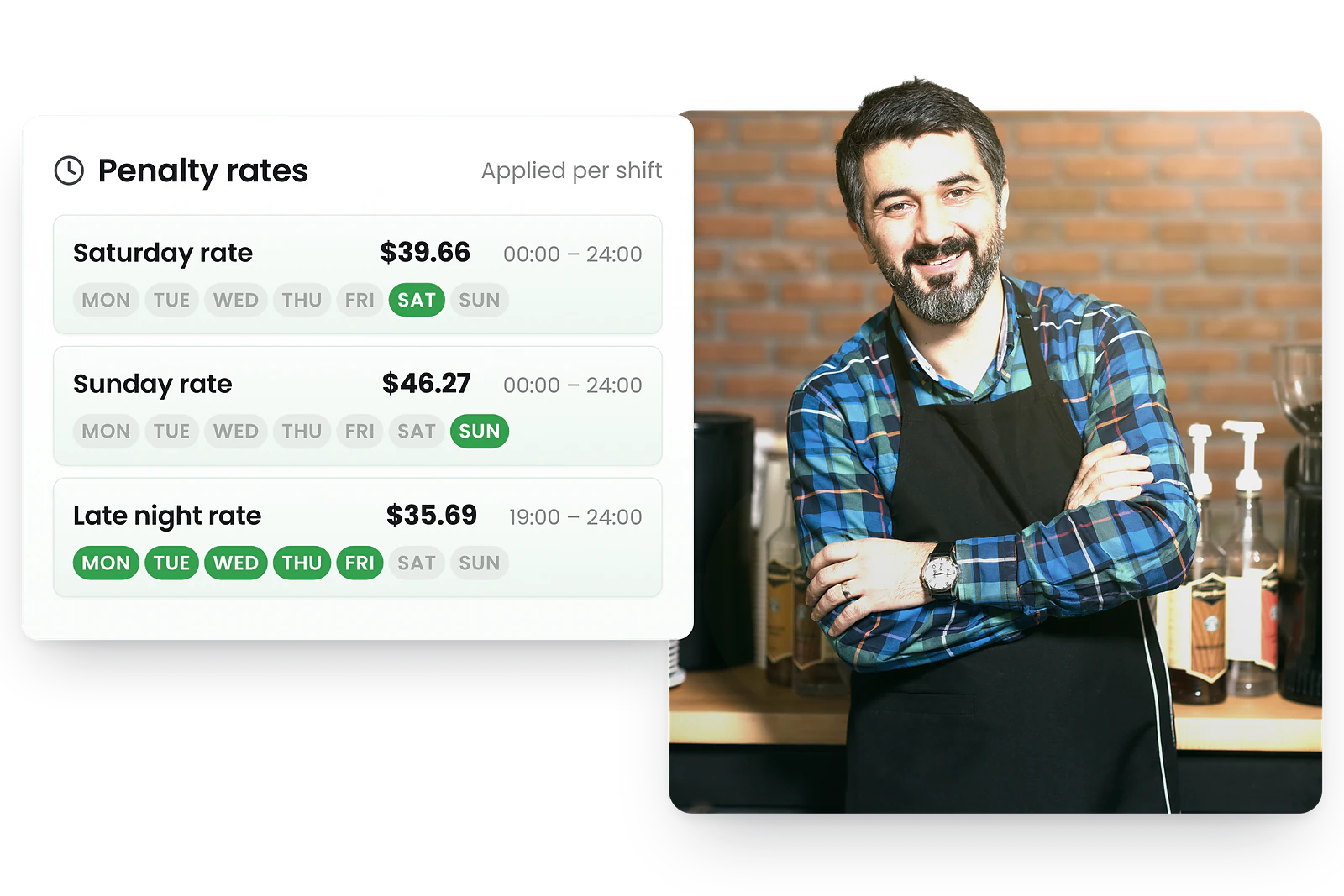
A global HRIS stores the rate. It does not work it out.
A global HRIS will store an employee record beautifully. Then it will ask you what to pay them, and wait.
Australia has more than 120 modern awards, and four separate things move the rate for the same job. A Saturday evening shift for a level 3 hospitality employee is not the same rate as the Tuesday morning shift beside it, and the difference is not a rounding error.
Systems built for salaried office teams have no reason to model that, so they don't — the interpretation is left to a spreadsheet, which is where underpayments start. RosterElf interprets the award as the roster is built, so you see the cost of a shift before you publish it.
Classification
A level 3 employee and a level 5 doing similar work sit on different base rates.
Hour and day
Evenings, Saturdays, Sundays and public holidays each carry their own penalty.
Employment type
Casual loading, part-time minimum engagements and full-time hours all change the maths.
Age
Junior rates step up birthday by birthday until the adult rate applies.
Check this before you sign with anyone
Ask the vendor to show a live calculation for your award, on a weekend shift, with a junior rate and a casual loading. A platform that can only store a pay rate you typed in is a filing cabinet, not an interpretation engine. Our award rate guides set out what the calculation has to get right, award by award.
What RosterElf HR Hub covers
Every module writes to the same employee record, so onboarding a new starter, assigning a policy and tracking their licence are one workflow rather than three systems.
Employee onboarding
New starters complete their own details, tax and super forms before they arrive.
Employment contracts
Generate, send and store signed contracts against each employee record.
Policies & procedures
Distribute policies, capture acknowledgements and chase the ones outstanding.
Certificates & permits
Track licences, tickets and visas with expiry alerts before someone works unqualified.
Digital HR records
One employee file, retained for the seven years the Fair Work Act requires.
Leave management
Requests, approvals and balances that feed straight back into the roster.
Training
Assign training, track completion and keep the evidence on the record.
Offboarding
Final-pay checklists, equipment return and access removal in one flow.
What a small business actually needs
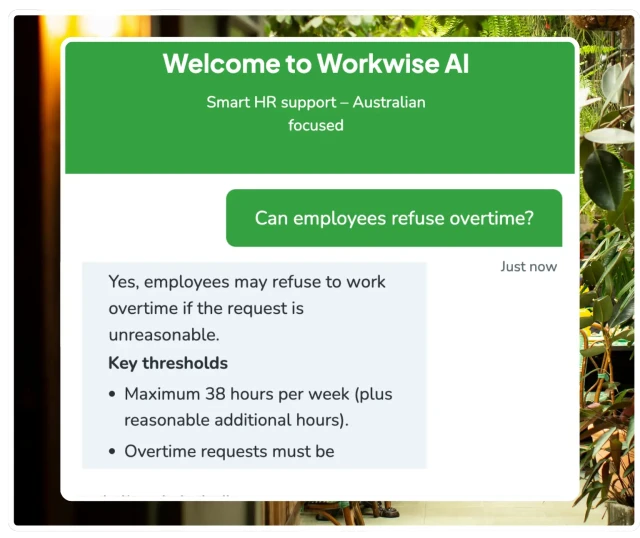
Paperwork that finishes itself, not analytics
Enterprise HRIS platforms sell org-chart modelling, succession planning and workforce analytics. Under about fifty staff, none of that is the problem. The problem is that the person who does the rostering also does the onboarding and the policy chasing, usually on a Sunday.
Those four answers matter more than any analytics dashboard. RosterElf starts at 3 staff on the monthly plan, so the smallest teams are not priced out of compliance — and if you would rather compare the market first, our HR software buying guide reviews the alternatives.
Can a new starter complete their own paperwork before day one?
Can you prove a policy was read and acknowledged?
Will you know a licence expires before the shift, not after it?
Can you produce seven years of records if Fair Work asks?
Reviews from our customers
Read what our clients have to say about us
Andrew Nathan
November 13, 2025

"We are extremely happy with Roster Elf, it's a great improvement on the previous system we were using. Sean and all the staff have been fantastic, really know their stuff and make using RosterElf a pleasure."
Monica Van De Laak
October 16, 2025
"Sean was an amazing help, very patient and thorough."
Mary C.
October 13, 2025
"I can see my roster, enter availability, put leave in advance and clock on and off easily."
Where it connects
RosterElf does not replace your payroll system. Approved timesheets — already interpreted against the award — export to your pay run, which handles STP and super. Employee details sync both ways, so a starter added in onboarding is never typed in twice.
Xero
Import employees, map pay items and tracking categories, then export approved timesheets in one click.
Xero integration
MYOB
Send interpreted timesheets to MYOB Business or AccountRight without rekeying hours or rates.
MYOB integrationWhat it costs
HR Hub is available on its own, or bundled with rostering, time and attendance and award interpretation on the Full Suite plan. Prices in AUD, excluding GST, with a minimum of 3 staff on monthly billing.
Save 30% with annual billing
Core
Rostering and time & attendance
Payroll-ready timesheets & awards
per employee per month
+ GST, billed monthly
Start free trial See all featuresFull Suite
Rostering, payroll & HR in one
Payroll & HR tools in one system
per employee per month
+ GST, billed monthly
Start free trial See all featuresHR
HR tools only
Onboarding, documents & policies
per employee per month
+ GST, billed monthly
Start free trial See all featuresMonthly billing: minimum 3 staff. Annual billing: minimum 10 seats. All prices exclude GST. Contact us for enterprise pricing (250+ employees).
Popular industries we serve
RosterElf is trusted by shift-based businesses across Australia
Learn how to get the most from this feature
Step-by-step guides to help you master these workflows
Start your free 15 day RosterElf trial today
Join 30,000+ Australian workplaces using RosterElf to simplify rostering, payroll and HR.
HRIS software FAQ
- A human resource information system is the central record of your people — employee details, contracts, policies, certifications and leave — held in one place instead of across spreadsheets, inboxes and filing cabinets. It replaces manual HR admin with digital workflows and gives you an audit trail when you need one. See our full definition in the HRIS glossary entry.
- In practice, nothing. "HRIS" is the older and more technical term, "HR software" the everyday one, and vendors use them interchangeably. HRMS and HCM describe the same category with different scope claims. Judge a platform on what it actually does for your business, not which of the four labels it markets itself under.
- No, and confusing the two is the most common mistake we see. An HRIS holds the employee record; payroll software pays people and lodges Single Touch Payroll and super with the ATO. Most Australian businesses run both and connect them. RosterElf sits between the two — it holds the HR record, works out what each shift should be paid under the award, and exports payroll-ready timesheets to Xero or MYOB.