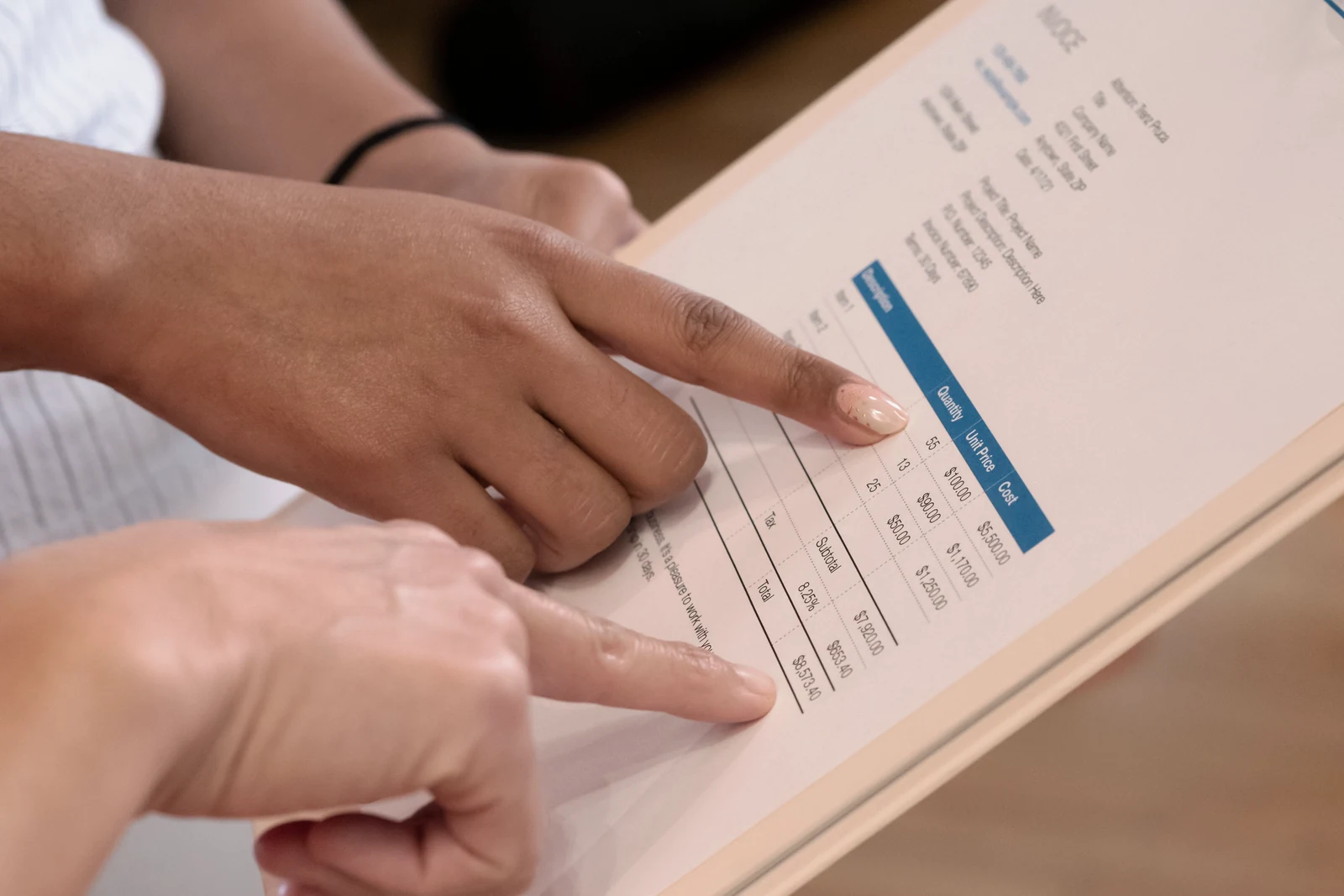
When a timesheet is disputed, the evidence employers actually need is contemporaneous, verifiable time records — clock-in and clock-out times captured as work happened, backed by objective proof such as GPS or photo verification, corroborating data (access logs, CCTV), and documented employee and manager approval. Because the burden of proof usually falls on the employer, records that can independently confirm who worked, when, and for how long are what stand between you and a costly backpay claim.
When an employee disputes their timesheet records — claiming they worked hours that weren’t recorded or weren’t paid correctly — having comprehensive, accurate, and verifiable evidence isn’t just good practice; it’s your primary defence against potentially costly backpay claims and penalties. Understanding exactly what evidence Fair Work expects, and how to capture it systematically, protects your business while ensuring employees receive their correct entitlements.
This guide explains the evidence requirements for timesheet disputes under Australian law, examines what makes evidence strong versus weak, walks through how to handle a dispute when it lands, and provides practical strategies for building time and attendance systems that create defensible records. We reference Fair Work Ombudsman requirements to ensure you understand your legal obligations.
Quick summary
-
Employers bear the burden of proof in most timesheet disputes
-
Digital records with verification are stronger than manual timesheets
-
Records must be kept for 7 years under Fair Work requirements
-
Missing records typically result in acceptance of employee claims
What records Fair Work requires
The Fair Work Act and Fair Work Regulations mandate specific record-keeping requirements. Using HR software helps maintain these records systematically. At a minimum, employers must be able to produce the following for every employee.
Hours worked each day
Total hours worked each day must be recorded. This includes start time, finish time, and the total duration. Records must show each day separately, not just weekly totals.
Break times taken
Duration of breaks taken must be documented. This is essential for determining paid versus unpaid time and verifying compliance with award break requirements.
Overtime hours
Any overtime worked must be recorded separately. This includes identifying which hours attracted overtime rates and at what rate (time-and-a-half, double time, etc.).
Leave taken
Records of all leave taken — annual, personal, long service, unpaid — must be maintained with dates and type of leave. Leave balances and accruals should also be tracked.
Understanding the burden of proof
In timesheet disputes, employers face what’s called a “reverse burden of proof” for certain matters. This is fundamentally different from most legal situations, where the accuser must prove their claim.
1. The employer must prove compliance
If an employee alleges underpayment or unpaid hours, the employer must prove they paid correctly. Without adequate records, Fair Work presumes the employer failed to meet obligations.
2. Missing records favour employees
When employers cannot produce time records, Fair Work accepts reasonable employee estimates. An employee claiming they regularly worked an extra 30 minutes unpaid may have that claim accepted if the employer has no records to contradict it — even over years of employment.
3. Record-keeping failures attract penalties
Failure to keep required records is itself a breach of the Fair Work Act. Penalties apply separately from any underpayment found, so employers face potential double liability — backpay plus penalties for poor record-keeping. Using integrated payroll systems helps maintain compliant records.
Types of evidence and their strength
Not all timesheet evidence is created equal. Understanding the evidence hierarchy helps you focus on what matters — from GPS-verified digital records at the top to roster-only assumptions at the bottom.
GPS-verified time records
Strongest evidence. GPS data confirms the employee was at the work location when clocking in/out. Combined with digital timestamps, this creates nearly irrefutable evidence of attendance times.
Biometric time clocks
Very strong evidence. Fingerprint or facial recognition prevents buddy punching and creates verified records. The employee’s identity is confirmed at the moment of clock in/out.
Digital time clock systems
Strong evidence. PIN or card-based systems with automatic timestamps. While they don’t verify identity as strongly as biometrics, they create contemporaneous digital records.
Signed digital timesheets
Good evidence. Electronic timesheets with employee acknowledgment provide documentation of agreed hours. The digital signature and timestamp strengthen the record.
Manual timesheets with signatures
Moderate evidence. Paper timesheets signed by employee and supervisor. Weaker because they can be altered, signatures can be disputed, and there’s no independent verification.
Roster-only records
Weak evidence. Using rostered hours as worked hours assumes perfect compliance with schedules. Easily challenged if employees claim they worked different hours than rostered.
Corroborating evidence that strengthens your position
Additional evidence sources can support your primary time records. The most compelling defence combines a contemporaneous digital record with at least one independent source that agrees with it.
CCTV footage
Security camera footage showing arrival and departure times provides independent verification. Ensure footage is retained long enough to be useful — standard 30-day retention may be insufficient for disputes raised later.
Building access logs
Swipe card or key fob access records show when employees entered and exited the premises. These independent systems corroborate time clock records and are harder to dispute.
Computer login records
For office workers, computer login and logout times provide corroboration. Email timestamps and system activity logs can support claimed working hours or challenge them.
Manager observations
Documented supervisor observations of attendance — especially if recorded contemporaneously — support timesheet accuracy. Using team communication tools to note arrival/departure patterns helps build this evidence.
How to handle a timesheet dispute when it lands
Knowing what evidence you should hold is only half the picture — how you respond when a dispute actually arrives determines whether that evidence protects you. A calm, documented, procedurally fair process is as important as the records themselves, especially if the matter reaches the Fair Work Commission. Work through these steps.
1. Preserve the records immediately
Lock down and export the relevant time records, audit logs, approvals and any corroborating data (access logs, CCTV) before anything can be overwritten or auto-deleted. Preserving the original, unaltered record is what makes it credible later.
2. Compare claimed hours against your evidence
Lay the employee’s claimed hours next to your recorded times, roster, and any corroborating sources. Identify exactly where they diverge and by how much, rather than disputing the claim in general terms.
3. Give the employee a fair hearing
Meet with the employee, share the records, and let them respond. Procedural fairness matters — a dispute handled dismissively can escalate, and Fair Work expects employees to have a genuine chance to put their case.
4. Correct genuine errors quickly
If your records confirm the employee is right, fix and back-pay promptly. Early correction limits exposure and demonstrates good faith — important now that deliberate underpayment can be a criminal offence.
5. Document every step
Record what was claimed, what evidence you relied on, what was discussed, and the outcome. This documentation trail is itself evidence — see our guide to payroll dispute documentation for what to capture and how to store it.
Escalation to the Fair Work Commission
If a dispute isn’t resolved internally, it can proceed to the Fair Work Commission or a formal underpayment claim. At that point your position rests almost entirely on the quality of your records and how fairly the dispute was handled. Contemporaneous, verifiable timesheets plus a documented, respectful process keep the burden on the employee to prove the records are wrong.
How RosterElf creates defensible time records
RosterElf provides multiple evidence layers for timesheet disputes, so your records hold up whether the question comes from an employee, a Fair Work inspector, or the Commission.
GPS clock-in verification
Mobile clock-in captures GPS coordinates, proving the employee was at the work location. Geofencing ensures clock-in only occurs within defined boundaries around your workplace.
Photo verification option
Optional photo capture at clock-in confirms employee identity. This eliminates buddy punching concerns and creates visual evidence of who clocked in and when.
Immutable audit logs
Every time record action is logged with timestamps. Any changes or corrections are tracked, showing what was changed, when, and by whom. Original records are preserved.
Employee timesheet acknowledgment
Employees can review and acknowledge their timesheets in the app. This digital acknowledgment is timestamped and recorded, creating evidence of employee agreement.
Manager approval workflow
Supervisor review and approval is documented. The approval timestamp shows when managers verified timesheets, creating a chain of verification before payroll processing.
7-year record retention
All time and attendance data is retained securely for the required 7-year period. Cloud storage ensures records survive hardware failures and are accessible when needed.

Related RosterElf features
Build defensible timesheet records. RosterElf helps Australian businesses create comprehensive time and attendance records that stand up to Fair Work scrutiny — with GPS-verified clock-in, complete audit trails, employee acknowledgment, and 7-year compliant record retention built in.
Disclaimer
This article provides general guidance only and does not constitute legal advice. Record-keeping and employment requirements are subject to change. Always verify current requirements using official Fair Work Ombudsman resources and consult with qualified professionals for specific workplace decisions.
Frequently asked questions
What evidence do employers need in a timesheet dispute?
The evidence employers actually need is contemporaneous, verifiable time records: clock-in and clock-out times captured as work happened, ideally backed by GPS or photo verification, corroborating sources like access logs or CCTV, and documented employee and manager approval. Because the burden of proof usually sits with the employer, records that independently confirm who worked and when are what resolve disputes in your favour.
What records must employers keep for timesheets?
Under the Fair Work Act, employers must keep records of hours worked each day, start and finish times, breaks taken, overtime hours, and any leave taken. Records must be kept for 7 years and be readily accessible. These records form the foundation of evidence in any timesheet dispute.
Who has the burden of proof in timesheet disputes?
In most timesheet disputes, employers bear the burden of proof. If an employee claims they worked hours that weren’t recorded or paid, and the employer cannot produce adequate records proving otherwise, Fair Work typically presumes the employee’s account is correct. This makes comprehensive record-keeping essential.
What should an employer do when a timesheet is disputed?
Preserve the relevant time records and audit logs immediately, compare the employee’s claimed hours against your recorded times and any corroborating data, give the employee a fair hearing, correct any genuine error and back-pay promptly, and document every step. Keeping a clear dispute documentation trail is itself part of your evidence if the matter escalates.
What evidence is strongest in timesheet disputes?
The strongest evidence includes contemporaneous digital time records with GPS or biometric verification, corroborating evidence like CCTV footage or access logs, signed timesheet acknowledgments from employees, supervisor approval records, and consistent patterns across multiple data sources. RosterElf’s time and attendance tools capture several of these layers automatically.
Can manual timesheets be used as evidence?
Manual timesheets can be used as evidence but are generally weaker than digital records. They lack automatic timestamps, can be altered without trace, and depend on human accuracy. If using manual timesheets, ensure they are signed by employees and supervisors, and keep originals securely stored.
How long do employers need to keep timesheet records?
Fair Work requires employers to retain time and wages records for 7 years. This applies to both current and former employees. Given that underpayment claims can be backdated up to 6 years, maintaining complete records for the full 7-year period is essential protection.
What happens if employers cannot produce timesheet evidence?
If an employer cannot produce adequate time records, Fair Work will typically accept the employee’s reasonable account of hours worked. This can result in significant backpay orders. The absence of records is itself a breach of record-keeping obligations that can attract separate penalties.
Does GPS tracking help in timesheet disputes?
GPS tracking provides strong corroborating evidence in timesheet disputes. It independently verifies employee location at clock-in/out times, making it difficult to dispute recorded times. GPS data combined with digital time records creates compelling evidence that is hard to challenge. RosterElf pairs GPS with optional photo verification for added identity proof.
Can employees dispute timesheets they previously approved?
Employees can dispute previously approved timesheets if they claim the approval was given under duress, they made a genuine mistake, or they were unaware of their entitlements. However, documented employee approval significantly strengthens the employer’s position, especially when approval processes are clearly explained.