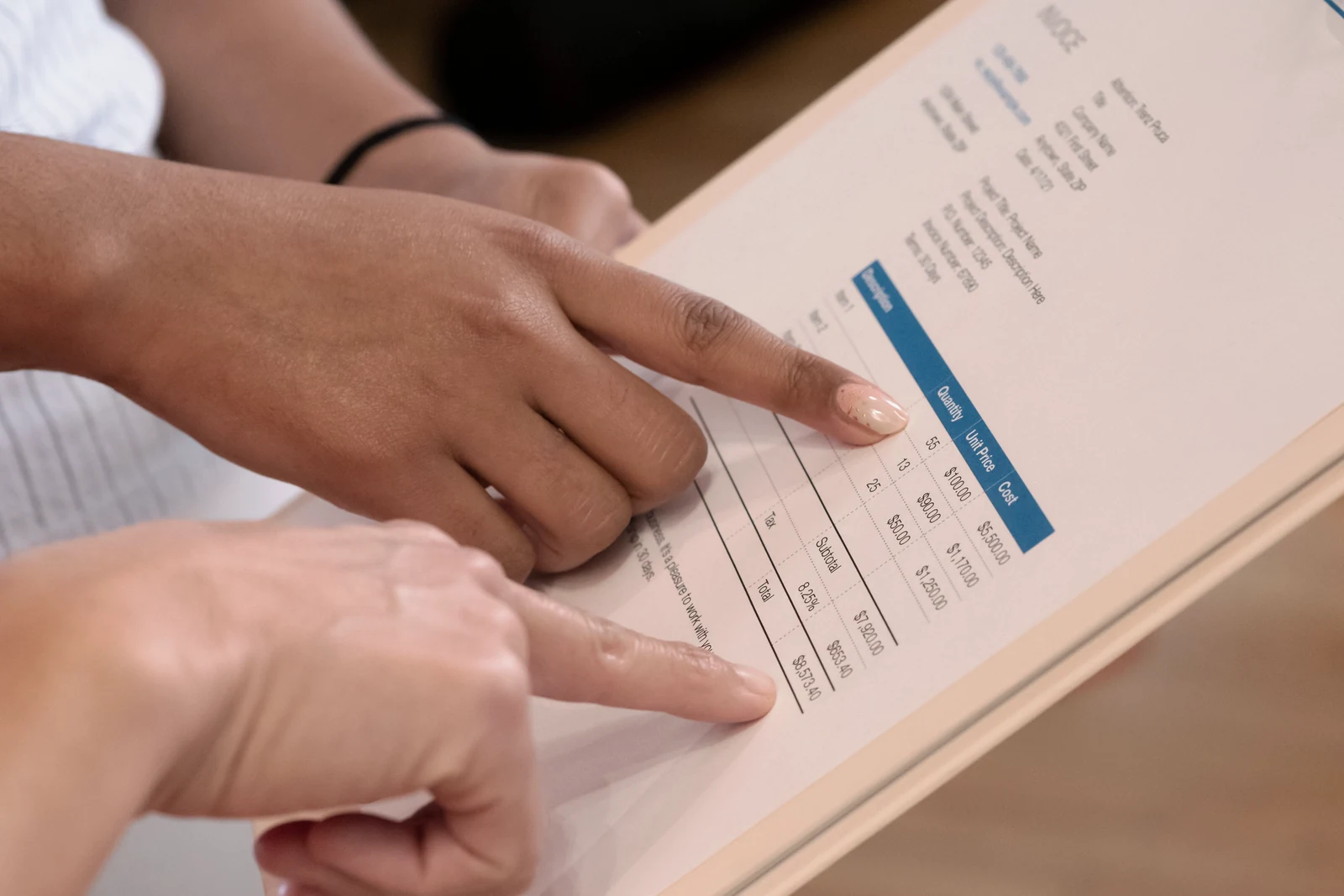
Under the Fair Work Act 2009, Australian employers must keep accurate time and attendance records for every employee — the start and finish time of each shift, unpaid breaks taken, overtime hours recorded separately, and leave taken. These records must be legible, in English, kept for seven years from the date they are made, and produced on request to a Fair Work Inspector or the employee. Getting this wrong can attract penalties of up to $109,200 per contravention, shift the burden of proof onto you in an underpayment claim, and — since January 2025 — expose deliberate underpayment to criminal wage-theft charges.
Fair Work Australia sets clear expectations around record-keeping, and getting it wrong can result in significant penalties, back-pay claims, and reputational damage. Modern time and attendance software helps businesses meet these obligations while reducing the administrative burden on managers.
Whether you’re running a hospitality venue with casual staff, a retail store with rotating shifts, or a healthcare facility with complex award conditions, the fundamentals of compliant time tracking remain the same. You need accurate records of when employees work, what breaks they take, and how their hours align with award requirements. This guide explains what Fair Work expects from employers, common mistakes that lead to compliance issues, and practical steps to ensure your time and attendance systems meet legal requirements.
Quick summary
-
Employers must keep time records for all employees, including start/finish times, breaks, and overtime
-
Records must be kept for 7 years and be readily accessible for inspection
-
Inadequate records can shift the burden of proof to employers in underpayment disputes
-
Digital time tracking systems help automate compliance and create reliable audit trails
What Fair Work requires for time and attendance records
The Fair Work Act 2009 and Fair Work Regulations set out specific record-keeping requirements for all Australian employers. These aren’t optional — they’re legal obligations that apply regardless of your business size or industry.
At a minimum, employers must keep records that show:
- Hours worked: including start and finish times for each day or shift.
- Breaks taken: both paid and unpaid break periods.
- Overtime: any hours worked beyond ordinary hours, recorded separately.
- Leave taken: annual leave, personal leave, and other leave types.
- Pay details: gross and net amounts, superannuation, deductions, and penalty rates applied.
These records must be kept for 7 years, be in English, and be readily accessible if requested by a Fair Work Inspector. They must also be legible and in a form that can be easily understood. Using dedicated HR software helps ensure your employee records meet these requirements. For a deeper walkthrough of every category, see our guide to the record-keeping standards every employer must meet.
For businesses covered by modern awards, additional requirements may apply. For example, the Hospitality Award has specific provisions around break entitlements that must be accurately recorded.
Why a roster is not a time record
A common misconception is that a published roster satisfies Fair Work record-keeping. It does not. A roster shows the hours you planned an employee to work; a time record must show the hours they actually worked — including early starts, late finishes, shortened breaks, and any overtime. If an employee starts 15 minutes early to set up or stays back to close, paying to the rostered time under-records and underpays them.
This distinction matters most in a dispute. If your only evidence is the roster, you can’t prove what actually happened on the floor, and the reverse onus of proof works against you. The safest approach is to capture real clock-in and clock-out data and then run a roster vs actual comparison so variances are visible before payroll — a check we cover in more detail in our guide to building legally defensible timesheets.
Why accurate time records matter
The consequences of poor time and attendance records extend beyond compliance penalties. Here’s what’s at stake:
- Financial penalties: breaches of record-keeping requirements can attract penalties of up to $21,840 per contravention for an individual and $109,200 for a company under the current Fair Work penalty framework, with five-fold increases for serious contraventions.
- Reverse onus of proof: in underpayment disputes, if your records are inadequate, the burden of proof can shift to you as the employer. This means you may need to prove you paid correctly, rather than the employee proving you didn’t. Proper employee records management prevents this scenario.
- Back-pay liability: without accurate records, it becomes nearly impossible to defend against historical underpayment claims, which can reach back six years — potentially exposing you to years of back-pay.
- Operational inefficiency: manual or paper-based systems are prone to errors that affect payroll accuracy, leading to overpayments, underpayments, and administrative rework.
Deliberate underpayment can now be a criminal offence
Since 1 January 2025, under the Fair Work Legislation Amendment (Closing Loopholes) Act, intentionally underpaying wages or entitlements can be prosecuted as a criminal wage-theft offence — carrying fines and up to 10 years’ imprisonment for the most serious cases. Inadequate time records make it far harder to show that any shortfall was accidental rather than deliberate. Complete, contemporaneous records captured by an automated time and attendance system are your primary evidence that pay was calculated in good faith.
Common time and attendance mistakes
Even well-intentioned employers make mistakes with time tracking. Here are the most common issues that create compliance risk:
Rounding time entries
Rounding clock-in times to the nearest 15 minutes can result in systematic underpayment over time, especially for casual workers.
Not recording breaks
Assuming breaks were taken without recording them creates liability if employees claim they worked through breaks.
Using roster times instead of actual
Paying based on rostered hours rather than actual hours worked can result in both overpayments and underpayments.
Paper-based systems
Handwritten timesheets are easily lost, damaged, or altered, and don’t create the reliable audit trail that digital systems provide.
Missing overtime tracking
Not tracking when ordinary hours are exceeded means missing overtime payments and creating underpayment liability.
Poor record retention
Deleting or losing records before the 7-year retention period expires leaves you exposed in historical disputes.
Setting up compliant time and attendance tracking
Here’s a practical process for establishing time tracking that meets Fair Work requirements:
1. Choose your tracking method
Select a system that suits your workforce — mobile apps for remote workers, tablet kiosks for on-site teams, or a combination. Ensure it captures actual start and finish times, not just rostered times.
2. Configure award rules
Set up your system with the correct award classifications for each employee. This ensures penalty rates, overtime thresholds, and break requirements are applied automatically.
3. Establish break tracking
Implement a process for recording break start and end times. This might be automatic prompts, manual clock-out/in, or supervisor verification.
4. Set up approval workflows
Create a process where managers review and approve timesheets before payroll. This catches errors and creates a verification layer. Link this to your employee rostering system for roster vs actual comparisons.
5. Integrate with payroll
Connect your time tracking to payroll systems like Xero or MYOB. This reduces manual data entry and ensures hours are accurately transferred with correct rates applied.
6. Train your team
Ensure all employees understand how to clock in and out, record breaks, and report any issues with their time entries. Clear expectations prevent disputes.
7. Establish backup and retention
Ensure records are backed up securely and retained for at least 7 years. Cloud-based systems typically handle this automatically.

What to look for in time and attendance software
Not all time tracking systems are built for Australian compliance requirements. Here are the features that matter most:
Australian award support
Built-in rules for hospitality, retail, healthcare, and other awards with automatic penalty rate calculations.
Multiple clock-in options
Mobile app, tablet kiosk, and web options to suit different work environments and team preferences.
Break tracking
Dedicated functionality for recording paid and unpaid breaks with prompts to ensure breaks are taken.
Overtime alerts
Automatic notifications when employees approach overtime thresholds so you can manage costs proactively.
Audit trails
Complete history of time entries, edits, and approvals for compliance documentation and dispute resolution.
Payroll integration
Direct export to Australian payroll systems like Xero and MYOB with correct rates already applied.
GPS, biometrics, and employee privacy
Digital clock-in methods like GPS-stamped mobile check-ins and biometric (fingerprint or facial) time clocks are accepted ways to record attendance, and they strengthen your audit trail because entries are hard to falsify. But they collect personal — and in the case of biometrics, sensitive — information, so a few obligations sit alongside your Fair Work duties.
- Be transparent. Tell staff what is collected (location, fingerprint, facial template), why, how long it’s kept, and who can see it — ideally in a written policy.
- Collect only what you need. Capture a location or timestamp to verify attendance; don’t track staff continuously through their shift.
- Handle biometrics carefully. Biometric data is sensitive information under the Privacy Act for covered businesses, so seek consent and store it securely.
- Offer a reasonable alternative where an employee has a genuine objection, so nobody is forced into a single method.
Used properly, these methods give you accurate, verifiable records without over-reaching. RosterElf’s mobile app supports GPS-verified clock-ins and tablet kiosks so you can pick the method that fits your workplace and your privacy obligations.
What to do if time tracking issues arise
Even with good systems, problems can occur. Here’s how to handle common issues:
- If you discover time recording errors: investigate the cause, calculate the correct hours and pay, make any necessary adjustments promptly, and document the correction. If underpayments are involved, pay the shortfall immediately.
- If an employee disputes their recorded hours: review the time entries, any edits made, and the approval history. If there’s a legitimate error, correct it. If the records are accurate, explain the evidence to the employee.
- If a Fair Work Inspector requests records: provide the records promptly in the format requested. Digital systems can typically generate reports quickly. If you identify any issues during this process, address them proactively.
- If employees consistently forget to clock in/out: review whether your system is convenient enough. Consider app reminders, location-based prompts, or manager follow-ups. Persistent issues may indicate a training or process problem.
For a strategic approach to addressing attendance challenges, review our guide on attendance improvements to prioritise, which covers technology upgrades, manager training, and goal-setting strategies.

How RosterElf helps with Fair Work compliance
RosterElf’s time and attendance features are designed specifically for Australian businesses navigating Fair Work requirements:
- Award interpretation engine: automatically applies correct rates based on time of day, day of week, and employee classification across hospitality, retail, healthcare, and other awards.
- Flexible clock-in options: staff can clock in via mobile app with GPS verification, tablet kiosk, or web interface — whatever suits your work environment.
- Break compliance: prompts ensure breaks are recorded, with visibility into who has taken breaks and who hasn’t during their shift.
- Roster vs actual comparison: instantly compare rostered hours against actual hours worked to identify variances and manage overtime.
- Secure record storage: all time records are stored securely in the cloud with automatic backups, meeting the 7-year retention requirement.
- Payroll-ready exports: export verified timesheets directly to Xero, MYOB, and other Australian payroll systems.
Related RosterElf features
Workforce management software built for shift workers. RosterElf gives Australian businesses the tools to manage rosters, track time, and support your compliance efforts — all in one platform with Australian award interpretation built in and a clean export to Xero and MYOB.
Disclaimer
This article provides general guidance only and does not constitute legal or financial advice. Record-keeping requirements and workplace laws change over time. Always verify current requirements using official Fair Work Ombudsman resources before making employment decisions.
Frequently asked questions
What time and attendance records must employers keep in Australia?
Under Fair Work, employers must keep records of hours worked (including start and finish times), breaks taken, overtime hours recorded separately, and leave taken. Records must be kept for 7 years and be readily accessible for inspection. Learn more about time and attendance tracking.
How long must time and attendance records be kept?
Australian employers must retain time and attendance records for 7 years from the date the record is made — not seven years from when employment ends. This applies to all employee records including timesheets, rosters, leave records, and pay documentation.
What are the penalties for not keeping proper time records?
Record-keeping contraventions can attract penalties of up to $21,840 per breach for an individual and $109,200 for a company, with five-fold increases for serious contraventions. In underpayment disputes the burden of proof can also shift to the employer where records are inadequate, and since January 2025 deliberate underpayment can be prosecuted criminally.
Does a roster count as a time and attendance record?
No. A roster shows planned hours, but Fair Work records must show the hours actually worked — including early starts, late finishes, and shortened breaks. Paying to rostered times rather than actual times can create both under- and overpayments. Capturing real clock data and running a roster vs actual check with time and attendance software closes this gap.
Can employees clock in using a mobile phone?
Yes. Mobile time tracking is an accepted method for recording attendance. Many businesses use GPS-enabled apps for remote workers or tablet kiosks for on-site teams via the RosterElf mobile app. The key requirement is that records are accurate and verifiable.
Do I need employee consent to use GPS or biometric time clocks?
You should be transparent about what a GPS or biometric time clock collects, why, and how it is stored, and only collect what you need to verify attendance. Biometric data is treated as sensitive information under the Privacy Act for covered businesses, so seek consent, store it securely, and offer a reasonable alternative where an employee genuinely objects.
Do casual employees need time tracking?
Yes. Time and attendance records are required for all employees, including casuals. This is particularly important for casuals as their pay is calculated based on actual hours worked and applicable penalty rates.
What should employers do if they discover time recording errors?
Address errors promptly. If underpayments are identified, calculate the correct amount, pay the shortfall immediately, and document the correction. Review your systems to prevent recurrence. Proactive correction is always better than waiting for a complaint.
How does time and attendance software help with Fair Work compliance?
Time and attendance software automates record-keeping, applies correct award rates and penalties automatically, tracks breaks and overtime, maintains audit trails, and stores records securely for the required 7-year period.