The attendance improvements worth prioritising next year fall into four areas: audit your current attendance data to find the real problem patterns, set specific and measurable improvement goals against that baseline, upgrade the technology that captures and verifies clock times, and train managers to address issues consistently. Tackled in that order, these changes cut time theft, payroll errors, and unplanned absences while keeping you audit-ready under Fair Work.
Attendance tracking looks simple — staff clock in, work their shifts, and clock out. But in practice, attendance issues cost Australian businesses real money through time theft, payroll errors, compliance failures, and operational disruption. The end of the year is the ideal time to assess your practices and lock in the improvements that will pay off across the next twelve months.
This guide helps you evaluate current attendance performance, identify gaps and opportunities, and prioritise improvements that align with your business goals. Whether you’re dealing with chronic lateness, inaccurate timesheets, or outdated tracking systems, a structured approach to time and attendance improvement ensures your efforts deliver measurable results while supporting Fair Work compliance requirements.
Quick summary
- Audit first:
Review current attendance data to identify patterns and problem areas before you act
- Set goals:
Define specific, measurable improvement targets based on your current performance
- Upgrade tech:
Adopt tools that reduce manual effort and verify clock-ins to stop time theft
- Train managers:
Equip managers to address attendance issues constructively and consistently
Assess your current attendance performance
Before planning improvements, understand where you stand. Gather data on these key metrics:
Punctuality rates
What percentage of shifts start on time? Analyse late arrivals by department, shift type, and day of week. Patterns reveal whether lateness is individual behaviour or systemic issues like scheduling problems.
Unplanned absence rates
Track sick leave and other unplanned absences. High rates may indicate workplace issues, poor roster design, or individual problems. Compare rates across teams to identify outliers needing attention.
Timesheet accuracy
How often do timesheets require correction? High error rates suggest process issues, unclear expectations, or inadequate systems. Manual timesheet processes typically have higher error rates than digital systems.
Overtime patterns
Compare rostered hours against actual hours worked. Consistent overtime indicates understaffing or workflow issues. Proper rostering software can help identify these patterns early rather than treating the symptoms.
Measure your absenteeism rate first
The single most useful number to establish before you set any goals is your absenteeism rate — the share of scheduled work time lost to unplanned absence. It turns a vague sense that “people keep calling in sick” into a figure you can track, benchmark, and improve. Calculate it with a simple formula:
Absenteeism rate formula
Absenteeism rate (%) = (Unplanned absent days ÷ Total scheduled workdays) × 100
Example: a team of 20 staff rostered across 20 working days has 400 scheduled workdays. If 18 of those days were lost to unplanned absence, the rate is (18 ÷ 400) × 100 = 4.5%.
As a rough guide, a rate consistently above about 4% is worth investigating; measure per team and per site, not just as a single company-wide figure, so you can see where the problem actually sits.
Run this monthly and the trend line matters more than any single reading. A rate that climbs on particular shifts, in one department, or after roster changes points you straight at a root cause — which is exactly where your improvement effort should go next.
Common attendance issues to address
Most businesses face similar attendance challenges. Identifying which issues affect you guides improvement priorities:
Time theft and buddy punching
Employees clocking in for absent colleagues or inflating hours costs businesses significantly. Manual systems are vulnerable to abuse. Digital verification through biometrics, GPS, or photo capture eliminates this risk — see how GPS and geofencing stop time theft for a fuller breakdown.
Break compliance failures
Not tracking breaks properly creates compliance risk. Australian awards specify minimum break requirements. Without accurate tracking, you can’t demonstrate compliance during audits or defend against claims. Using dedicated HR software helps maintain compliant records.
Chronic lateness patterns
Some employees are consistently late by small amounts. While each instance seems minor, the cumulative impact is significant. Addressing it requires clear expectations, consistent enforcement, and manager training.
No-show incidents
Staff not showing up for shifts without notice creates operational chaos. Track no-show rates and investigate causes. These are often related to communication issues, roster visibility, or disengagement that anonymous culture surveys can surface early.
Timesheet submission delays
Late timesheet submissions delay payroll processing and may indicate disengaged employees. Real-time attendance capture eliminates submission delays entirely. Staff clock in and out; data flows automatically. Proper leave management integration also ensures planned absences are recorded correctly.
Sort issues by root cause before you fix them
The fastest way to waste an attendance initiative is to treat every problem as an individual behaviour issue when much of it is systemic. Before you write policies or have conversations, sort what your data reveals into two buckets — because each demands a completely different response.
Business-solvable causes
Impossible commutes between split shifts, rosters published too late to plan around, unrealistic staffing that guarantees burnout, or unclear expectations. These are fixed by changing how you roster and communicate — not by disciplining staff. Publishing rosters earlier and managing availability properly removes a large share of “attendance problems” at the source.
Individual accountability causes
Genuine repeat lateness, undocumented absences, or ignoring clock-in procedures after the business barriers are removed. These are the issues that warrant a constructive, documented conversation and, where needed, a formal improvement plan applied consistently across the team.
Technology upgrades to consider
The right technology dramatically improves attendance accuracy while reducing administrative burden:
Mobile clock-in apps
Allow staff to clock in from their phones with GPS verification. Ideal for field workers, multiple locations, or businesses without fixed clock points. Captures exact location and time automatically.
Geofencing
Geofencing restricts clock-in to specific geographic areas. Staff can only clock in when physically at the work location, which prevents early clock-ins from car parks or nearby locations.
Photo verification
Capture an employee photo at clock-in time. Eliminates buddy punching without expensive biometric hardware. Photos stored for audit purposes and dispute resolution.
Real-time dashboards
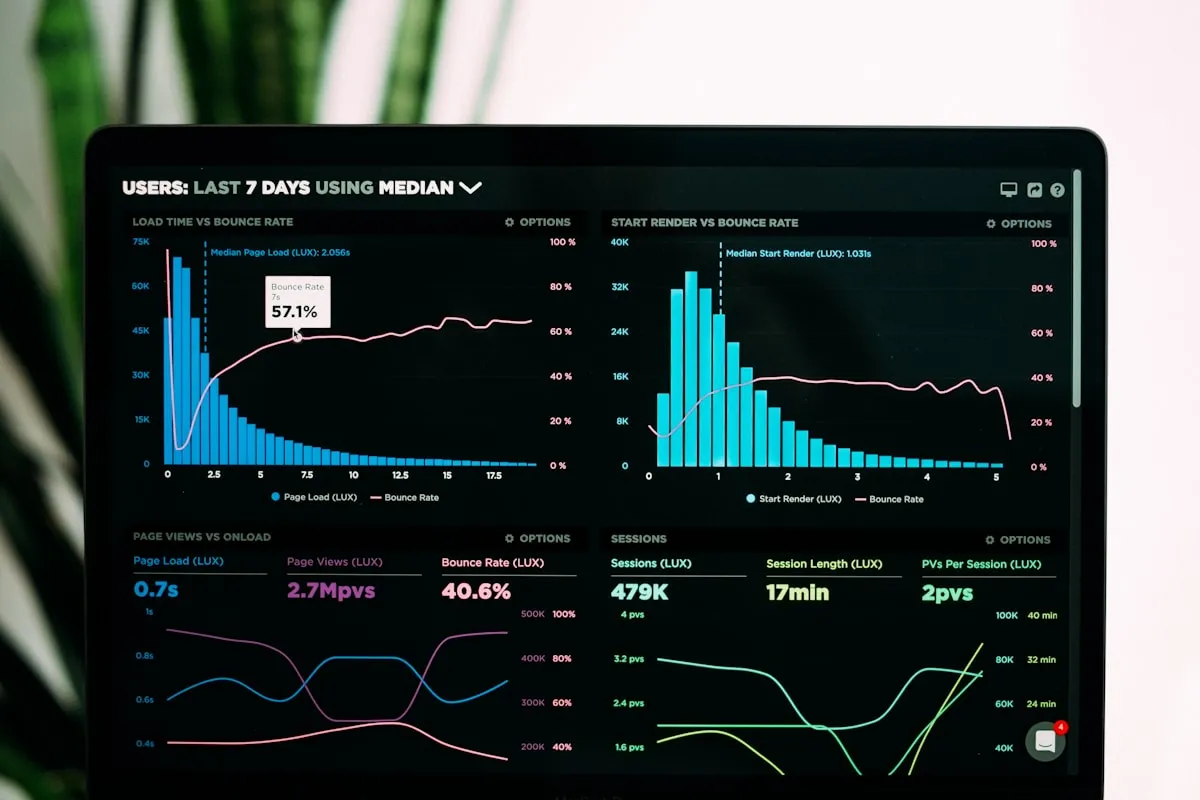
Live attendance shows who’s on site, who’s late, and who hasn’t arrived in real time. Managers can address issues immediately rather than discovering problems at payroll time. Alerts notify of anomalies.
Automated break tracking
Systems that automatically track and enforce break requirements. Alerts when breaks are missed or cut short. Creates compliance evidence without manual effort.
Payroll integration
Direct payroll integration between attendance systems and payroll eliminates manual data transfer. Reduces errors, speeds processing, and ensures accurate pay based on actual worked hours.
Setting attendance improvement goals
Effective goals are specific, measurable, and realistic based on current performance:
Punctuality targets
If current on-time arrival is 85%, target 92% by mid-year. Incremental improvement is more achievable than dramatic change. Track weekly to maintain momentum and identify trends early.
Accuracy goals
Aim to reduce timesheet corrections by 50% after implementing new systems. Target 100% break compliance recording. Set goals for reducing payroll queries related to attendance data.
Process goals
Include implementation milestones like deploying mobile clock-in by Q1, training all managers by February, or achieving 100% digital timesheet adoption. Process goals enable outcome goals.
Compliance objectives
Target audit-ready records at all times. Zero break compliance violations. 100% of attendance records captured digitally with verification. These goals protect the business and employees.
Build a fair attendance improvement plan
When an individual’s attendance needs to change after the business-side causes are removed, a written attendance improvement plan gives you a fair, consistent, and defensible process. It replaces vague warnings with a clear agreement everyone understands. Keep it simple and time-bound — a typical plan runs 30, 60, or 90 days depending on the severity of the issue.
What an attendance improvement plan should include
-
The specific attendance concern, described with dates and data — not opinions
-
A clear, measurable target (for example, no unplanned absences without notice over 60 days)
-
The support the business will provide, such as roster adjustments or earlier shift notice
-
Scheduled check-in points to review progress and adjust the plan
-
The consequences if the target isn’t met, applied consistently across the team
-
Written acknowledgement from the employee, kept on file for your records
Keep every plan consistent between employees and managers — inconsistent application is where fairness complaints and unfair-dismissal risk creep in. Because Fair Work requires accurate time records to be kept for seven years, the clean attendance data from a digital time and attendance system is what backs up the plan if a decision is ever challenged.
Train managers for attendance improvement
Technology alone doesn’t solve attendance issues. Managers must be equipped to address problems constructively:
Conducting attendance conversations
Train managers to have fact-based, constructive conversations about attendance. Focus on patterns and impact rather than accusations. Document conversations appropriately for HR records.
Consistent policy application
Ensure all managers apply attendance policies consistently. Inconsistent enforcement undermines policy effectiveness and creates fairness issues. Regular calibration sessions help maintain consistency.
Using attendance data
Show managers how to access and interpret attendance reports. Fact-based conversations are more productive than subjective observations. Train managers to identify patterns requiring investigation.
Recognising good attendance
Don’t just address problems; recognise consistently good attendance. Positive reinforcement encourages the behaviour you want. Simple acknowledgement costs nothing but delivers results.

Related RosterElf features
Improve attendance tracking next year. RosterElf captures accurate attendance data with mobile GPS clock-in, photo verification, and real-time dashboards that support Fair Work compliance and cost control — with automated break tracking built in.
Frequently asked questions
How do you calculate an absenteeism rate?
Divide unplanned absent days by total scheduled workdays and multiply by 100. For a team of 20 staff across 20 working days (400 scheduled workdays) that lost 18 days to unplanned absence, the rate is (18 ÷ 400) × 100 = 4.5%. Measure it per team and per site each month so you can see where the problem sits. A time and attendance system produces the clean data these figures rely on.
What is an attendance improvement plan?
An attendance improvement plan is a short, written agreement that sets out a specific attendance concern (with dates and data), a measurable target, the support the business will provide, scheduled check-ins, and the consequences if the target isn’t met. Most run 30, 60, or 90 days. Applied consistently and backed by accurate time records, it gives you a fair and defensible process under Fair Work.
What attendance metrics should Australian businesses track?
Track punctuality rates, unplanned absence frequency, no-show rates, timesheet accuracy, overtime hours versus rostered hours, and break compliance. These metrics reveal whether an issue is systemic or isolated, helping you prioritise the right improvements. Your rostering software and attendance reports surface most of these automatically.
How can technology improve attendance tracking accuracy?
Modern attendance technology including GPS clock-in, photo verification, and geofencing eliminates manual errors and prevents time theft. Digital systems capture exact clock times, automatically apply break rules, and flag anomalies for review. This accuracy supports both compliance and cost control while cutting timesheet correction time.
What are common attendance issues that need addressing?
Common issues include consistent late arrivals, buddy punching, excessive unplanned absences, break compliance failures, overtime creep, and inaccurate timesheet submissions. Each has different root causes, so sort them into business-solvable problems (like late rosters) and individual accountability problems before choosing a fix — GPS and geofencing address the time-theft category directly.
How do attendance problems affect Fair Work compliance?
Poor attendance records create compliance risk. Fair Work requires employers to keep accurate time and wages records for seven years. Inaccurate attendance data can lead to incorrect pay calculations, penalty rate errors, and difficulty defending against underpayment claims. Digital capture with verification is the most reliable way to stay audit-ready.
How do you set attendance improvement goals?
Base goals on current performance data. If late arrivals average 8%, set a realistic target like 5%. Goals should be specific, measurable, and time-bound, and should include both outcome goals (reduced absences) and process goals (implementing new clock-in systems by a set date). Track weekly against your baseline to keep momentum.
What role do managers play in attendance improvement?
Managers are critical. They set expectations, address issues promptly, model good behaviour, and apply policies consistently. Training managers to hold constructive, fact-based conversations using attendance data — and to recognise good attendance, not just problems — is what makes an improvement initiative succeed.
How do you address attendance issues without damaging employee relations?
Focus on data and patterns rather than individual blame, and separate business-solvable causes (like late roster publishing or availability clashes) from genuine accountability issues. Communicate changes as improvements for everyone, involve employees in solution design where appropriate, and address individual concerns privately and consistently following documented procedures.