
Personal care assistant job description
A comprehensive job description template for personal care assistant positions in Australian aged care and disability services. Covers personal care duties, qualifications and conditions aligned with the Aged Care Award and SCHADS Award.
Personal care assistant job description
PDF format • Ready to download
By downloading, you agree to our template disclaimer
This personal care assistant job description template is designed to reflect Australian workplace standards and care industry practices at the time of publication. Confirm the applicable modern award (Aged Care Award 2010 or SCHADS Award 2010) for your service and ensure compliance with all relevant employment laws and care standards. It does not constitute legal, HR, or professional advice and should not be relied on as a substitute for advice specific to your business, workforce, or circumstances.
What does a personal care assistant do?
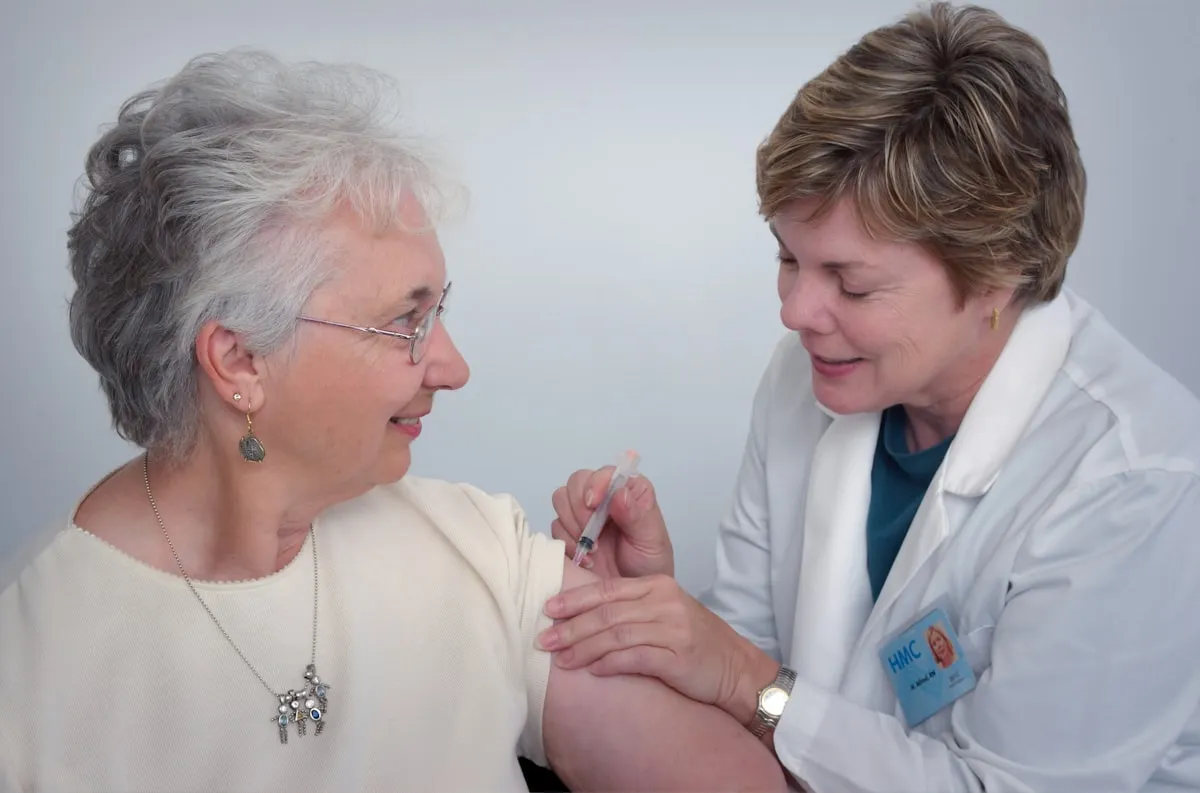
A personal care assistant (PCA) supports elderly, injured or disabled people with the activities of daily living so they can keep their independence, dignity and quality of life. The role focuses on personal hygiene (showering, dressing, toileting), mobility support, meal preparation, monitoring wellbeing and providing companionship — in clients’ homes, residential aged care facilities or community settings. It requires sensitivity, professionalism and a genuine commitment to maintaining clients’ dignity during intimate personal care.
In Australia, personal care assistants are classified under either the Aged Care Award 2010 (MA000018) for aged care roles, or the SCHADS Award (MA000100) for disability and community care roles. Classification levels depend on qualifications and responsibilities.
This template provides a foundation for creating clear, compliant job descriptions that attract quality candidates. Once hired, manage your personal care team efficiently with care services rostering software.
Key responsibilities
Core duties included in this job description template
Personal hygiene care
Assisting clients with bathing, showering, toileting, oral care and maintaining personal cleanliness with dignity and respect.
Dressing and grooming
Supporting clients with selecting clothing, dressing, undressing, hair care and general grooming tasks.
Mobility assistance
Helping clients with transfers, walking, use of mobility aids and positioning to prevent pressure injuries.
Continence management
Assisting with toileting, continence aids, catheter care and maintaining dignity during intimate personal care.
Meal assistance
Supporting clients with eating and drinking, monitoring nutrition and hydration, and following dietary requirements.
Documentation
Recording care provided, observations of client wellbeing and reporting any changes or concerns to supervisors.
Skills and attributes
What to look for in candidates
Compassion and empathy
Genuine care for clients, respect for dignity during intimate care and sensitivity to emotional needs.
Professionalism
Maintaining appropriate boundaries, confidentiality and professional conduct during personal care.
Communication
Clear communication with clients, families and health professionals, including with people who have communication difficulties.
Cultural sensitivity
Respecting diverse cultural backgrounds, religious beliefs and personal preferences in care delivery.
Reliability
Punctuality for shifts, consistency in care delivery and understanding the importance of routine for clients.
Attention to detail
Observing changes in client condition, following care plans accurately and maintaining infection control standards.
Qualifications and requirements
Personal care assistant positions require formal qualifications in individual support, along with specific certificates and clearances. These requirements ensure workers can provide safe, dignified personal care to vulnerable clients.
- Working rights (Required)
Eligibility to work in Australia
- Certificate III in Individual Support (Required)
Certificate III in Individual Support (Ageing, Home and Community, or Disability)
- National Police Check (Required)
Valid National Police Check
- First Aid and CPR (Required)
Current First Aid and CPR certificates
- Vaccination records (Required)
Up-to-date immunisations as required for the role
- Manual handling certificate
Manual handling training preferred
Working conditions
Set clear expectations for candidates about the personal care work environment
- Shift work including early mornings, evenings and weekends
- Providing intimate personal care including toileting and bathing
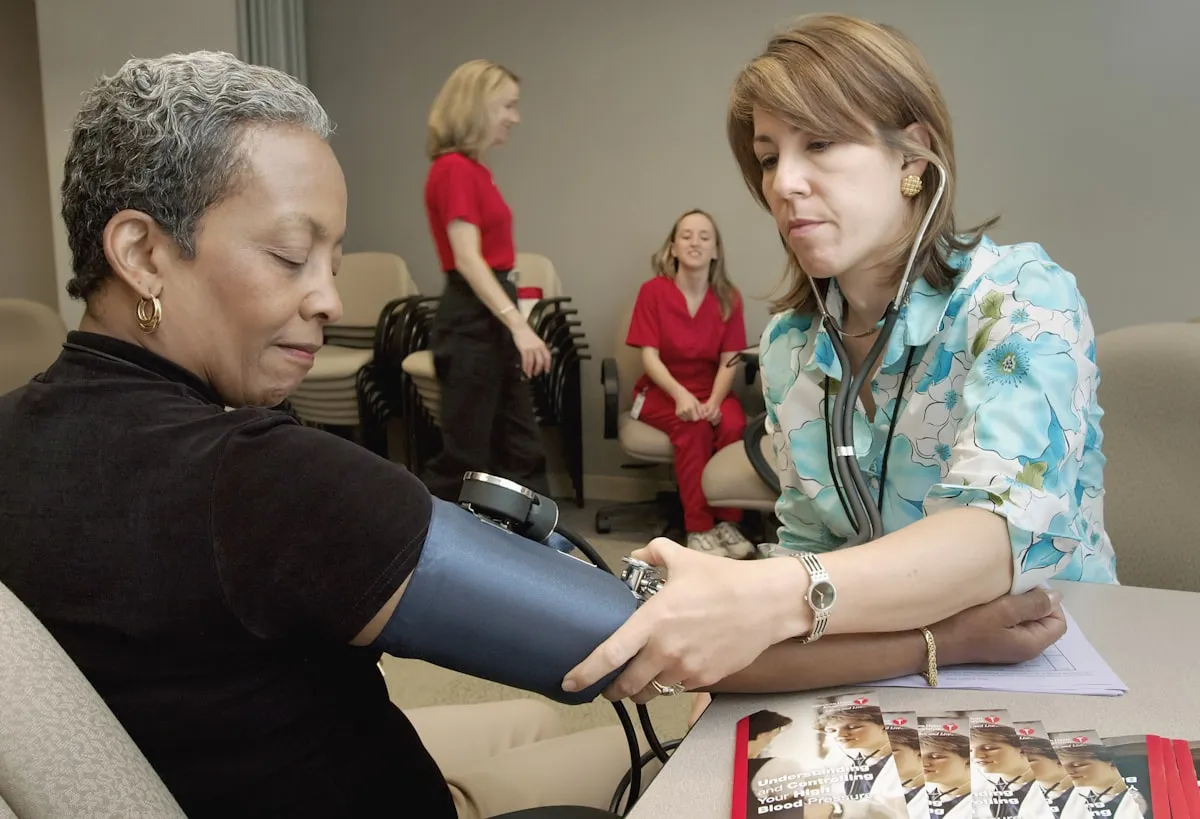
- Physical work including manual handling, bending and assisting with mobility
- Exposure to bodily fluids and infectious diseases
- Working in clients' homes or residential facilities
- Following strict infection control and safety procedures
Award coverage
Understanding award coverage for personal care assistants
Aged care award or SCHADS award
Personal care assistants working in aged care facilities or home care for elderly clients are typically covered by the Aged Care Award 2010 (MA000018). Those working in disability services or broader community care are covered by the SCHADS Award (MA000100).
Under both awards, personal care assistants with Certificate III are typically classified at Level 2, with progression based on additional qualifications and responsibilities. Both are modern awards that set minimum pay rates, penalty rates and conditions. Use award interpretation software to calculate pay accurately.
Penalty rates and shift work
Personal care services often operate early mornings, evenings and weekends to meet client needs. Penalty rates apply for Saturday, Sunday, public holiday, evening and night shifts under both awards. Understanding these rates is essential for accurate payroll and service pricing.
Casual employees receive a 25% loading in lieu of leave entitlements. Part-time and full-time employees accrue leave and receive penalty rates on top of their base rate. Ensure your payroll system correctly applies all applicable loadings and penalties.
Aged Care Award pay rates 2026-27
Minimum ordinary hourly rates by classification, effective from 1 July 2026. Casual includes the 25% casual loading. Penalty rates for weekends, evenings and public holidays apply on top.
| Classification | Weekly | Hourly | Casual hourly |
|---|---|---|---|
| Direct care – level 1 (Introductory) Entry-level personal care, pre-qualification | $1239.00 | $32.61 | $40.76 |
| Direct care – level 2 (Direct carer) Personal care worker / assistant in nursing | $1307.80 | $34.42 | $43.03 |
| Direct care – level 3 (Qualified) Certificate III qualified personal care worker | $1376.70 | $36.23 | $45.29 |
| Direct care – level 4 (Senior) Senior / Certificate IV personal care worker | $1431.80 | $37.68 | $47.10 |
| Direct care – level 5 (Specialist) Specialist personal care worker | $1486.80 | $39.13 | $48.91 |
| Direct care – level 6 (Team leader) Personal care team leader / coordinator | $1541.90 | $40.58 | $50.73 |
| General – level 1 Entry-level food services, cleaning, laundry | $1055.40 | $27.77 | $34.71 |
| General – level 2 General services with experience | $1097.20 | $28.87 | $36.09 |
| General – level 3 Qualified general services / trade assistant | $1139.40 | $29.98 | $37.48 |
| General – level 4 Cook / senior general services | $1152.80 | $30.34 | $37.93 |
| General – level 5 Qualified cook / administration | $1191.80 | $31.36 | $39.20 |
| General – level 6 Senior cook / supervisor | $1256.00 | $33.05 | $41.31 |
| General – level 7 Chef / senior supervisor / coordinator | $1278.60 | $33.65 | $42.06 |
Source: the Fair Work Aged Care Award pay guide (MA000018). Full classifications, penalty rates, allowances and a calculator are in the Aged Care Award pay guide .
Who should use this template?
This job description template is designed for Australian care service providers
Whether you provide aged care or disability services, clear job descriptions help attract quality personal care assistants.
How to use this template
Tips for customising the job description for your service
Add your organisation details
Include your service name, location, service type (aged care, disability, home care) and a brief description of your values.
Specify work setting
Clarify whether the role is in a residential facility, clients' homes or a combination of both.
Define shift patterns
Be clear about shift requirements including early morning starts, split shifts or weekend work.
Include travel requirements
For community-based roles, specify if a driver's licence and vehicle are required.
Check award coverage
Confirm which award applies to your service (Aged Care Award or SCHADS Award) and update classifications accordingly.
Review regularly
Update the job description when care standards change or your service offerings evolve.
Ready to hire your next personal care assistant?
Once your team is in place, build compliant rosters in minutes, track qualifications and apply award penalty rates automatically with RosterElf health care rostering software.
Related resources
More templates and tools for care service providers
HR policy templates
Free workplace policy templates including code of conduct, leave policies and more.
Browse templatesCare service solutions
See how RosterElf helps care providers manage staff scheduling, payroll and compliance.
Learn moreAged Care Award pay rates
Current pay rates, penalty rates and allowances under the Aged Care Award 2010.
View ratesRelated job descriptions
More roles in this category — free templates you can download and edit.
Recreational support worker job description
Free recreational support worker job description template for Australian aged care and disability services. Duties, qualifications, checks and SCHADS Award coverage included.
Learn moreResidential support worker job description
Free residential support worker job description template for Australian group homes and SIL providers. Sleepover duties, NDIS checks and SCHADS Award coverage included.
Learn moreRespite care assistant job description
Free respite care assistant job description template for Australian respite services. Covers care duties, qualifications, NDIS checks and Aged Care or SCHADS award coverage.
Learn moreAged care shift coordinator job description
Free aged care shift coordinator job description template for Australian facilities. Supervisory duties, staff coordination, qualifications and Aged Care Award levels.
Learn moreAged care worker job description
Free aged care worker job description template for Australian providers. Personal care duties, qualifications, mandatory checks and Aged Care Award classifications.
Learn moreBoarding house worker job description
Free boarding house worker job description template for Australian supported accommodation. Resident support duties, mandatory checks and SCHADS Award classifications.
Learn moreExplore the health care cluster
Guides, tools and templates to help you hire, roster and pay health care staff
Blog articles
How-to guides
Industries
Related features
Employment law
Templates
Glossary terms
Regulatory sources
This job description is aligned with Australian workplace award requirements.
Frequently asked questions
-
A personal care assistant (PCA) supports elderly, injured or disabled people with the activities of daily living so they can keep their independence, dignity and quality of life. Core duties include personal hygiene (showering, dressing, toileting), mobility support, meal preparation, monitoring wellbeing and companionship — delivered in clients’ homes, residential aged care facilities or community settings. Personal care assistants work under either the Aged Care Award or SCHADS Award depending on the setting.
-
Personal care assistants focus primarily on physical care tasks like bathing, dressing and grooming. Support workers may have broader responsibilities including community access and social support. Under the Aged Care Award or SCHADS Award, classification depends on the specific duties and setting.
-
Personal care assistants are covered by either the Aged Care Award 2010 (MA000018) if working in aged care, or the Social, Community, Home Care and Disability Services Industry Award 2010 (SCHADS Award - MA000100) if working in disability or community care. Always verify which award applies to your specific organisation.
-
Under the Aged Care Award, personal care assistants with Certificate III typically start at Level 2. Under the SCHADS Award, classifications are similar. Higher levels apply with additional qualifications or supervisory responsibilities. See our Aged Care Award rates or SCHADS Award rates guides.
-
While not legally required, including indicative pay rates helps attract suitable candidates and sets clear expectations. You can reference the applicable award rate or use phrases like ‘Award rates plus penalties’ or ‘Competitive rates based on qualifications.’ Check the relevant award for current rates.
Before you download
General information only — not legal advice
This document is a general HR template provided for informational purposes only. It is not legal advice and may not reflect the latest changes in legislation or apply to every workplace situation. RosterElf Pty Ltd and the template provider accept no liability for any loss arising from reliance on this document. Users should seek independent legal advice and customise the template to ensure it complies with all relevant laws, awards and workplace requirements.