
Warehouse administrator job description
A comprehensive job description template for warehouse administrator positions in Australian logistics and warehousing businesses. Covers data entry, documentation management, scheduling support and compliance records aligned with the Storage Services and Wholesale Award.
Warehouse administrator job description
PDF format • Ready to download
By downloading, you agree to our template disclaimer
This warehouse administrator job description template is designed to reflect Australian workplace standards and logistics industry practices at the time of publication. Confirm the applicable modern award for your business and ensure compliance with all relevant employment laws. It does not constitute legal, HR, or professional advice and should not be relied on as a substitute for advice specific to your business, workforce, or circumstances.
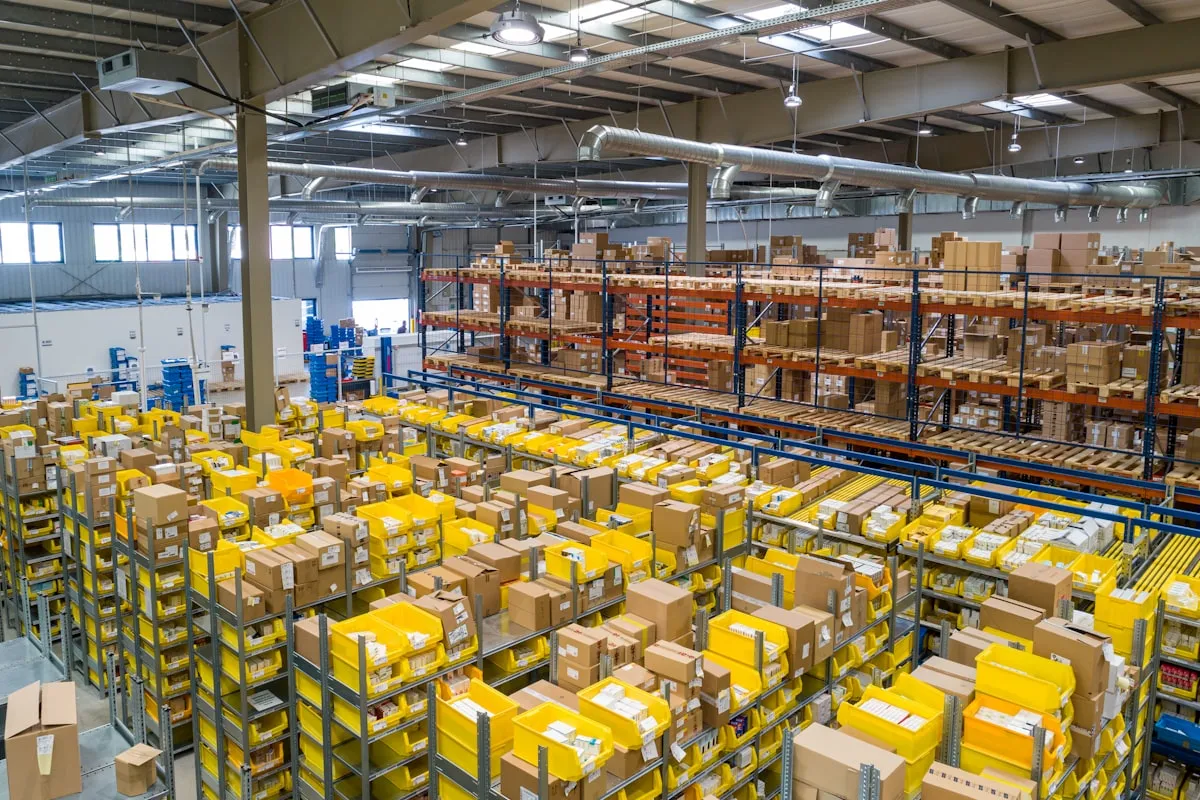
What does a warehouse administrator do?
A warehouse administrator provides essential administrative support for warehouse operations including data entry, documentation management, reporting, scheduling coordination and maintaining compliance records. The role ensures smooth information flow between warehouse operations, suppliers, transport providers and management.
In Australia, warehouse administrators in logistics and warehousing are typically covered by the Storage Services and Wholesale Award 2020 (MA000084). Classification levels generally start at Level 2 for routine clerical duties and progress to higher levels with increased responsibilities, system administration duties or coordination functions.
This template provides a foundation for creating clear, compliant job descriptions that attract candidates with strong computer literacy, organisational skills and attention to detail. Once hired, simplify employee onboarding with HR software and manage your warehouse team efficiently with logistics rostering software.
Key responsibilities
Core duties included in this job description template
Data entry
Accurately enter warehouse data including orders, receipts, dispatches and inventory movements into WMS and ERP systems. Maintain data integrity and ensure timely system updates.
Documentation management
Process and maintain shipping documents, purchase orders, delivery dockets, invoices and compliance records. Ensure accurate filing and easy retrieval of documentation.
Reporting
Generate operational reports including KPI dashboards, productivity metrics, shipping reports and inventory summaries. Provide timely information to management for decision-making.
Scheduling support
Assist with staff rostering, coordinate delivery schedules, manage appointment bookings and maintain operational calendars. Support logistics coordination activities.
Compliance records
Maintain WHS documentation, training records, equipment certifications and audit trails. Support compliance with regulatory requirements and company policies.
Communication coordination
Handle email correspondence, coordinate with suppliers and transport providers, respond to internal queries and support customer service with order information.
Essential skills
What to look for in warehouse administrator candidates
Computer literacy
Strong proficiency in Microsoft Office (Excel, Word, Outlook), WMS platforms, database software and business communication tools.
Attention to detail
High accuracy in data entry, document processing and record verification. Ability to identify errors and inconsistencies quickly.
Organisational skills
Systematic approach to managing multiple tasks, prioritizing workload, maintaining filing systems and meeting deadlines consistently.
Communication
Clear written and verbal communication for email correspondence, phone interactions and coordinating with warehouse staff, suppliers and management.
Time management
Ability to manage competing priorities, meet deadlines and maintain productivity in a fast-paced warehouse environment.
Numeracy
Solid numerical skills for invoice processing, data analysis, basic calculations and interpreting operational metrics.
Qualifications and requirements
Warehouse administrator positions require strong computer literacy, excellent organisational skills and exceptional attention to detail. While formal qualifications are beneficial, practical experience with administrative systems and logistics environments is highly valued. This template distinguishes between essential requirements and desirable skills.
- Computer literacy (Required)
Proficiency in Microsoft Office, WMS and database software
- Attention to detail (Required)
High accuracy in data entry and document processing
- Organisational skills (Required)
Ability to manage multiple tasks and maintain systematic records
- Communication skills (Required)
Clear written and verbal communication abilities
- WMS experience
Previous experience with warehouse management systems is highly desirable
- Advanced Excel skills
Advanced Excel capabilities including pivot tables, formulas and data analysis
- Previous admin experience
Experience in administrative roles, ideally in logistics or warehousing
- Logistics knowledge
Understanding of warehouse operations, shipping processes and supply chain
- Accounting basics
Basic understanding of invoicing, purchase orders and reconciliation
- MYOB/Xero experience
Familiarity with accounting software for invoice and payment processing

Working conditions
Set clear expectations about the warehouse administrator work environment
- Office environment within warehouse facility with regular interaction with warehouse floor staff
- Standard business hours Monday-Friday, typically 8:00am-5:00pm or aligned with warehouse hours
- May require flexibility for month-end close, stocktakes or peak periods
- Combination of desk work and movement around warehouse for coordination and verification
- Working with multiple computer systems, phone communication and email management
- Compliance with warehouse safety procedures when visiting warehouse floor
Award coverage
Understanding the Storage Services and Wholesale Award
Storage services and wholesale award 2020
Most warehouse administrator positions in warehousing and logistics are covered by the Storage Services and Wholesale Award 2020 (MA000084). This modern award sets minimum pay rates, penalty rates, allowances and conditions for employees in storage, warehousing and wholesale operations. View current Storage Services Award pay rates.
The award classifies employees across multiple levels. A warehouse administrator typically starts at Level 2 (routine clerical duties) and may progress to Level 3 or higher with increased responsibilities, system administration duties or coordination functions. Use award interpretation software to calculate pay accurately.
Penalty rates and allowances
Warehouse administrators are entitled to penalty rates for work performed outside standard hours. This includes higher rates for overtime, weekend work and public holidays. Shift penalties may apply for afternoon or night shifts if required. Casual employees receive a 25% loading in lieu of leave entitlements.
Specific rates depend on the employee’s classification level and employment type. Ensure your payroll system correctly applies all applicable loadings and penalties to maintain compliance practices with Fair Work requirements.
Career progression
Warehouse administrators can progress to senior administrator, warehouse coordinator, operations administrator or office manager roles. Building expertise in warehouse systems, developing process improvement skills and gaining qualifications in business administration or supply chain management opens advancement opportunities.
Many logistics businesses offer professional development programs and promote from within, making warehouse administrator roles excellent entry points to logistics and supply chain careers.
Who should use this template?
This job description template is designed for Australian logistics and warehousing businesses
Whether you operate a warehouse, distribution centre or wholesale business, clear job descriptions help attract organised candidates with strong administrative and communication skills.
How to use this template
Tips for customising the warehouse administrator job description for your operation
Specify your systems
Detail the specific WMS, ERP, accounting or other software systems your business uses so candidates understand the technology environment.
Define reporting structure
Clarify who the administrator reports to (warehouse manager, operations manager, office manager) and their position within the team.
Outline working hours
Specify standard working hours, any flexibility available, and requirements for occasional extended hours during peak periods or month-end.
Highlight key responsibilities
Emphasise the most important duties for your operation whether that's documentation, scheduling, reporting or compliance management.
Verify award classification
Confirm the appropriate classification level under the Storage Services and Wholesale Award based on duties and level of autonomy.
Include growth opportunities
Mention career progression paths, training opportunities and professional development to attract ambitious candidates.
Ready to hire your next warehouse administrator?
Once your team is in place, build compliant rosters in minutes, track hours and apply award penalty rates automatically with RosterElf logistics rostering software.
Related resources
More job description templates for logistics businesses
Inventory clerk template
Job description for inventory clerk positions focused on stock counting and reconciliation.
View templateDispatch officer template
Job description for dispatch officer positions coordinating outbound shipments and logistics.
View templateLogistics assistant template
Job description for logistics assistant positions supporting warehouse operations.
View templateRelated job descriptions
More roles in this category — free templates you can download and edit.
Warehouse picker packer job description
Free warehouse picker packer job description template for Australian distribution centres. Picking, packing duties, physical requirements and Storage Services Award classifications.
Learn moreWarehouse shift supervisor job description
Free warehouse shift supervisor job description template for Australian warehouses. Duties, skills, qualifications and Storage Services Award classifications included.
Learn moreDelivery driver assistant job description
Free delivery driver assistant (offsider) job description template for Australian logistics businesses. Duties, licences, physical requirements and award coverage included.
Learn moreDispatch officer job description
Free dispatch officer job description template for Australian logistics businesses. Dispatch coordination, route planning, skills and Storage Services Award levels.
Learn moreEcommerce warehouse assistant job description
Free ecommerce warehouse assistant job description template for Australian online retailers. Pick, pack, returns and dispatch duties with Storage Services Award guidance.
Learn moreForklift operator job description
Free forklift operator job description template for Australian warehouses. Duties, High Risk Work Licence (LF), skills and Storage Services Award classifications.
Learn moreExplore the logistics cluster
Guides, tools and templates to help you hire, roster and pay warehouse staff
Award guides
How-to guides
Industries
Related features
Employment law
Glossary terms
Related roles
Regulatory sources
This job description is aligned with Australian workplace award requirements.
Frequently asked questions
-
A warehouse administrator provides essential administrative support for warehouse operations including data entry, documentation management, reporting, scheduling coordination and maintaining compliance records. They work closely with warehouse managers, dispatch teams and inventory staff to ensure smooth administrative workflows. Most positions are covered by the Storage Services and Wholesale Award (MA000084).
-
Warehouse administrators handle broader administrative functions including documentation, scheduling support, communication coordination and general office duties. Inventory clerks focus specifically on inventory management, stock counting, reconciliation and inventory reporting. Some businesses combine these roles depending on operational size.
-
Warehouse administrator positions in logistics and warehousing are typically covered by the Storage Services and Wholesale Award 2020 (MA000084). This modern award applies to storage services, warehousing and wholesale operations. Always verify which award applies to your specific business operations.
-
Under the Storage Services and Wholesale Award, warehouse administrators typically start at Level 2 (routine clerical duties) and may progress to Level 3 or higher with increased responsibilities including system administration, coordination duties or supervisory functions. Classification depends on the complexity of duties and level of autonomy required.
Before you download
General information only — not legal advice
This document is a general HR template provided for informational purposes only. It is not legal advice and may not reflect the latest changes in legislation or apply to every workplace situation. RosterElf Pty Ltd and the template provider accept no liability for any loss arising from reliance on this document. Users should seek independent legal advice and customise the template to ensure it complies with all relevant laws, awards and workplace requirements.