
Workplace inspections & audits policy template
A free, ready-to-edit workplace inspections and audits policy template for Australian businesses. Set inspection schedules, standardised checklists, corrective-action processes and documentation requirements so hazards are found and fixed before they cause harm — and your WHS due diligence is on record. No signup required.
Workplace inspections policy
PDF format • Ready to download
By downloading, you agree to our template disclaimer
This workplace inspections and audits policy template reflects Australian work health and safety (WHS) standards at the time of publication and is provided as a general guide to adapt for your business, industry and specific hazards. For high-risk work, seek independent WHS advice. It does not constitute legal, HR, or professional advice and should not be relied on as a substitute for advice specific to your business, workforce, or circumstances.
Why your workplace needs an inspections & audits policy
Under Australian WHS law, a person conducting a business or undertaking (PCBU) must do everything reasonably practicable to provide a safe workplace. Regular workplace inspections are one of the most practical ways to meet that duty — a proactive walkthrough of your physical spaces, equipment and work practices to find hazards before they cause an injury.
A documented inspections policy turns ad-hoc checks into a consistent program. It sets out how often each area is inspected, who is responsible, what checklist to use, and how identified hazards are recorded, prioritised and fixed. Just as importantly, it creates the paper trail that demonstrates due diligence if a regulator or insurer ever asks. The policy pairs naturally with your hazard & risk management policy and your overarching WHS policy.
The policy applies to all employees, contractors, volunteers and visitors across every site. Store the policy and capture acknowledgements in your HR software so you can show every worker has read and understood it.
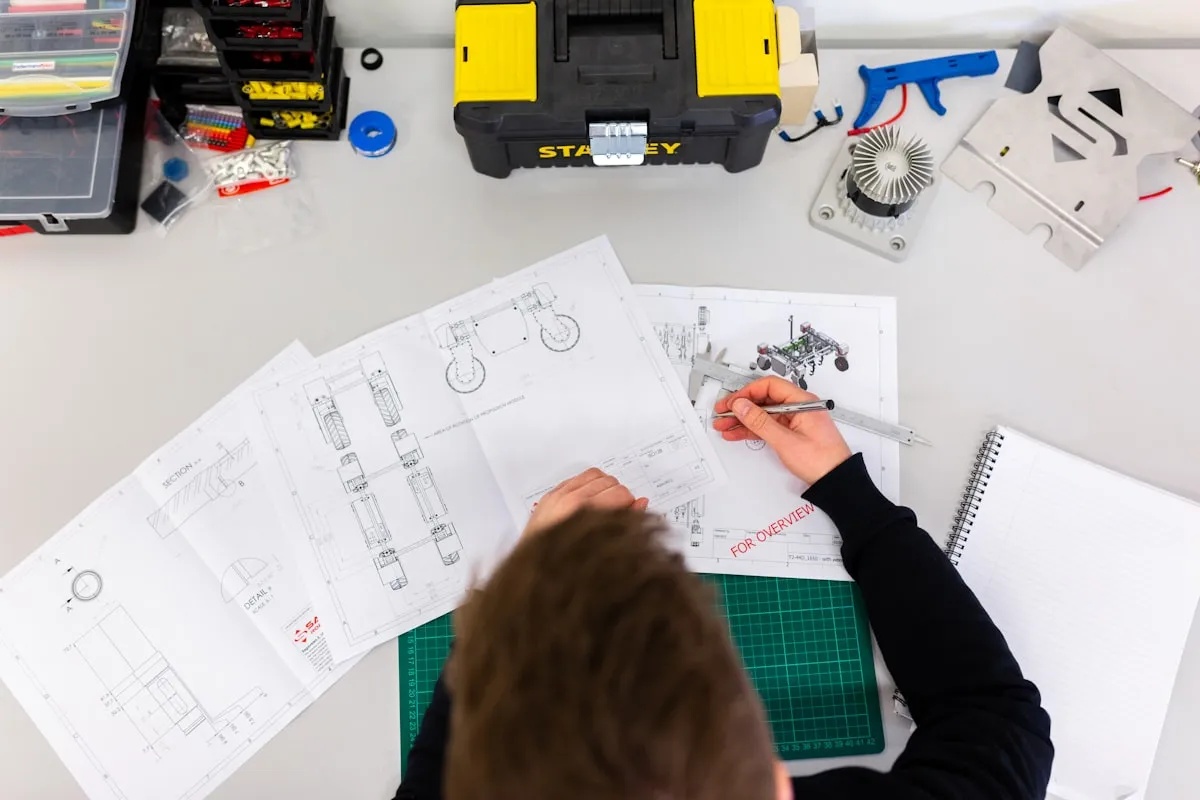
What a workplace inspections policy should cover
The essentials of a systematic inspection and audit program
Inspection schedule
Defined frequency and timing for each area — daily, weekly, monthly or after a change.
Standardised checklists
Consistent forms covering each area, item and common hazard so nothing is missed.
Hazard identification
Spotting slips and trips, electrical, chemical, plant, manual-handling and PPE risks.
Roles & responsibilities
Who inspects, who signs off and how workers and HSRs are involved.
Corrective actions
Risk-rating findings, assigning owners and setting timeframes to fix them.
Documentation & audit
Recording findings, tracking actions to completion and reviewing the system.
What's included in this template
A complete inspection and audit framework, ready to adapt
Purpose & scope
Why inspections are required, and the people and sites the policy applies to.
Definitions
Plain-language meaning of hazard, inspection, audit and corrective action.
Types of inspections
Routine, pre-start, plant and equipment, and post-incident inspections.
Inspection frequency
How often each area, item and piece of equipment must be checked.
Inspection checklists
Standardised forms and criteria for conducting a thorough, repeatable inspection.
Conducting inspections
Step-by-step process for completing and consulting on each inspection.
Documenting findings
How to record results, risk-rate issues and report outcomes.
Corrective actions
Assigning responsibility and timeframes to eliminate or control hazards.
Follow-up & verification
Tracking actions to completion and confirming controls are effective.
Audits & review
Comprehensive system audits and how the program is evaluated and improved.
Building an effective inspection program
Frequency, consultation and follow-through are what make inspections work
Match frequency to risk
There is no single legal interval — frequency should reflect risk. High-risk plant or work areas may need pre-start or daily checks, while lower-risk offices may suit monthly or quarterly inspections. Always inspect after an incident or near-miss, before a layout or process changes, when new equipment is introduced, or when an HSR requests it.
Consult workers and HSRs
WHS law requires you to consult workers on health and safety. Involving supervisors, workers and health and safety representatives who know the area — plus an occasional fresh set of eyes from another team — surfaces hazards that regular workers stop noticing.
The inspection process at a glance
Inspect with a checklist
Walk the area using a standardised checklist so the inspection is thorough and repeatable.
Identify & rate
Note unsafe conditions and practices, then risk-rate each finding.
Assign corrective action
Give each issue an owner and a timeframe using the hierarchy of control.
Follow up & verify
Track actions to completion and confirm the control is working.
Treat inspection records as living data, not a filing exercise — review findings for recurring issues and systemic trends, and feed them back into your hazard & risk management and risk management processes.
An inspection is only as good as the action that follows it. Document every finding, prioritise by risk, assign clear responsibility with deadlines, and verify the fix. For broader hazard assessments, follow our guide on how to conduct a WHS assessment. Safe Work Australia and your state WHS regulator (such as SafeWork NSW) publish model codes of practice and checklist guidance you can align your program to.
Who should use this template?
Essential for any business with a physical workplace or active plant
Especially valuable for managers, supervisors and health and safety representatives who run the inspections and own corrective actions.
Compliance resources
Official guidance on workplace inspections and WHS duties.
Manage your safety policies the easy way
RosterElf helps Australian businesses store WHS policies, capture employee acknowledgements at onboarding and keep an audit trail — all in one place.
Related templates
Build a complete safety management system
Hazard & risk management policy
Framework for identifying, assessing and controlling workplace hazards.
View templateRisk management policy
Set a consistent approach to identifying and managing business risk.
View templateWHS policy
The foundational policy outlining your safety obligations and commitments.
View templateRelated HR policy templates
More policies in this category — free, Australian, and ready to edit.
Workplace wellbeing policy template
Free workplace wellbeing policy template for Australian businesses. Covers psychosocial hazards, mental health, EAP and work-life balance — no signup required.
Learn moreContractor & visitor safety policy template
Free contractor and visitor safety policy template for Australian workplaces. WHS-compliant framework for inductions, SWMS, supervision and checks.
Learn moreEmergency management & evacuation policy template
Free emergency management and evacuation policy template for Australian workplaces. Warden roles, evacuation steps and assembly points — no signup required.
Learn moreEmployee health & safety policy template
Free employee health and safety policy template for Australian workplaces. Plain-English worker duties, hazard and incident reporting, and rights — no signup.
Learn moreEmployee privacy policy template
Free employee privacy policy template for Australian workplaces. Aligned with the Privacy Act 1988 and Australian Privacy Principles — no signup required.
Learn moreFatigue management policy template
Free fatigue management policy template for Australian workplaces. Safe rostering limits, rest periods and reporting to control fatigue risk — no signup.
Learn moreWorkplace inspections policy FAQ
-
A workplace safety inspection is a proactive, physical assessment of your work environment, equipment and procedures to identify hazards, verify compliance and confirm that safety controls are working — before an accident occurs. A typical inspection covers the physical spaces and the way work is actually done, uses a standardised checklist, looks for common hazards (slips and trips, electrical, chemical, plant and PPE), and ends with a documented action plan and tracked corrective measures.
-
An inspection is a regular, on-the-ground check of a specific area or piece of equipment to spot hazards and unsafe practices. An audit is a broader, periodic review of your whole safety management system — checking that policies, inspections, records and corrective actions are in place and being followed. Inspections feed data into audits; audits confirm the program as a whole is effective.
Before you download
General information only — not legal advice
This document is a general HR template provided for informational purposes only. It is not legal advice and may not reflect the latest changes in legislation or apply to every workplace situation. Roster Elf Pty Ltd and the template provider accept no liability for any loss arising from reliance on this document. Users should seek independent legal advice and customise the template to ensure it complies with all relevant laws, awards and workplace requirements.