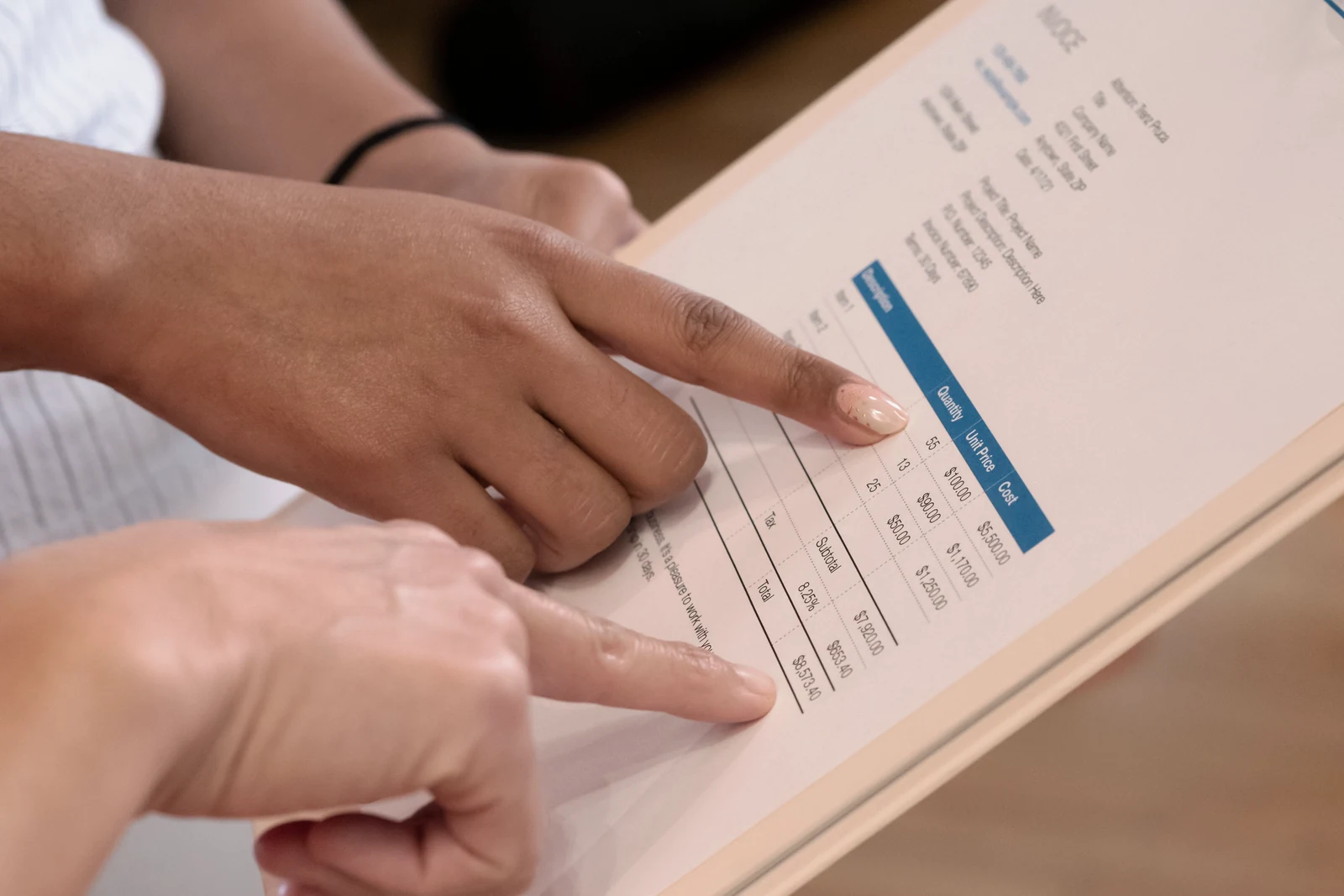
During a Fair Work review, attendance evidence is judged on four things: whether records were created at the time of the event (contemporaneity), whether they are hard to alter after the fact (tamper resistance), whether they are backed by other sources such as GPS or photos (corroboration), and whether recording is applied the same way across all staff (consistency). Contemporaneous digital records with timestamps and an audit trail carry far more weight than retrospective paper timesheets — and where records are inadequate, reverse-onus provisions can shift the burden onto you to disprove an employee’s claim.
When the Fair Work Ombudsman investigates a complaint or conducts an audit, the quality of your evidence can decide whether you defend the claim or face penalties, back-payments, and reputational damage. Modern time and attendance technology has changed what counts as reliable evidence: GPS geofencing, photo verification, and digital audit trails create far stronger proof than paper timesheets. Combined with comprehensive attendance reporting, these systems provide audit-ready documentation. This guide explains the evidence standards Fair Work applies and how to ensure your records meet — and exceed — them.
Quick summary
- Keep the records:
Fair Work requires accurate, contemporaneous attendance records retained for 7 years
- Verify the location:
GPS geofencing provides location verification that strengthens attendance evidence
- Confirm identity:
Photo verification prevents buddy punching and proves identity at clock-in
- Show the trail:
Digital audit trails showing who recorded what and when carry strong evidentiary weight
Fair Work attendance record requirements
Understanding the baseline requirements helps support compliance.
What records must be kept
Employers must maintain records of hours worked by each employee including ordinary hours, overtime, and penalty rate hours. Records must show start and finish times for each work period, break times taken, and any time worked outside normal hours. These requirements apply regardless of whether employees are paid by the hour or salary.
Record format and retention
Records must be legible, in English, and readily accessible. They must be retained for 7 years from the date of the record. Digital records are acceptable and often preferred for their accessibility and audit trail capabilities. Using dedicated HR software ensures records can be produced in hard copy or electronic form upon request.
Penalties for non-compliance
Record-keeping failures can result in substantial penalties. More significantly, inadequate records trigger reverse onus provisions where the employer must disprove employee claims rather than employees proving their case. This dramatically weakens the employer’s position in disputes — keeping thorough payroll dispute documentation protects you here. Maintaining comprehensive employee records is essential for HR compliance.
Evidence standards in Fair Work investigations
When Fair Work assesses attendance evidence, several factors determine its weight.
Contemporaneity
Records created at or near the time of events carry far more weight than retrospective reconstructions. A timesheet completed at shift end is more reliable than one completed days later. Digital clock-ins with timestamps demonstrate contemporaneous recording.
Tamper resistance
Evidence that cannot be easily altered after the fact is more reliable. Digital systems with audit trails showing any modifications, who made them, and when they occurred provide stronger evidence than paper records that could be rewritten or replaced.
Corroboration
Multiple sources of evidence supporting the same facts strengthen reliability. GPS data confirming the employee was at the work location when they clocked in corroborates the attendance record. Photo verification adds another layer of confirmation.
Consistency
Evidence that follows consistent patterns and processes is more credible. If attendance recording varies between employees or periods, it raises questions about reliability. Systematic processes applied uniformly demonstrate organisational discipline.
GPS and photo verification as evidence
Modern GPS geofencing and photo verification technology creates powerful attendance evidence.
GPS geofencing evidence
GPS geofencing confirms employees clocked in within a defined geographic boundary around the workplace. This prevents remote clock-ins and provides location verification that is difficult to dispute. The GPS coordinates and timestamp create objective evidence of where the employee was when they recorded attendance.
Photo verification evidence
Photo capture at clock-in provides visual proof of who recorded attendance. This eliminates buddy punching — where one employee clocks in for another — and creates identity verification that can be presented during investigations. Photos with timestamps establish both who and when.
Combined verification strength
Using GPS and photo verification together creates powerful corroborating evidence. You can demonstrate not only that a clock-in occurred at the right place and time, but also that the correct employee performed it. This multi-factor verification significantly strengthens your evidence position.
When attendance becomes an inherent job requirement
Not every Fair Work review is a records audit. A growing number involve the capacity question: whether an employee can meet the inherent requirements of their role. For many operational, frontline, and shift-based positions, the Fair Work Commission has recognised that regular and reliable attendance is itself an inherent requirement — a roster only works if people turn up when scheduled.
This matters because an employee can be medically cleared as “fit for work” and still fail to meet the role’s requirements if their availability and attendance are persistently unreliable. Where an employer relies on attendance as grounds for a capacity review or dismissal, the attendance record becomes the central piece of evidence. Patchy, inconsistent, or retrospectively reconstructed records make it far harder to show a genuine, well-founded concern. Complete, contemporaneous records — the same records that satisfy a payroll audit — are what let you demonstrate a clear, documented pattern rather than an impression.
Records support a fair process, not a shortcut
Strong attendance records don’t replace a fair procedure. A defensible capacity or performance review still requires clearly communicated expectations, documented concerns, an opportunity for the employee to respond, and consideration of any underlying medical or personal reasons. Good records make each of those steps evidence-based — see our guide to legally defensible timesheets for the standards that apply.

Common attendance evidence weaknesses
Understanding where evidence typically fails helps you avoid these problems.
Retrospective timesheet completion
Timesheets completed at week’s end rather than daily are prone to errors and have reduced evidentiary weight. Memory fades quickly, and retrospective estimates rarely match actual hours worked. Investigators view such records with scepticism.
Missing break records
Many systems record start and end times but not break periods. Without break records, you cannot demonstrate compliance with break requirements or calculate paid hours accurately. This gap often leads to findings against employers.
Inconsistent recording practices
Different recording methods for different employees or locations raises questions about reliability. Some employees using paper while others use digital, or some locations having detailed records while others have minimal documentation, undermines your evidence quality.
No audit trail for changes
When timesheet corrections occur without documentation of who made changes and why, records appear unreliable. Paper records with corrections crossed out look worse than digital records with complete audit trails showing all modifications.
Building investigation-ready attendance evidence
Strengthen your evidence position before issues arise.
1. Implement real-time digital recording
Move away from paper timesheets — even a structured employee attendance register — and retrospective entry to real-time digital clock-in systems. Employees record attendance at shift start and end using mobile apps or fixed terminals, creating contemporaneous records with automatic timestamps. Integrate this with your rostering software for smooth workforce management.
2. Enable location verification
Implement GPS geofencing for mobile workers or employees at multiple locations. Configure geofences around each work location and require clock-ins within these boundaries. This adds corroborating location evidence to every attendance record.
3. Add photo verification
Enable photo capture at clock-in to create visual identity verification. This is particularly valuable in environments where multiple employees share credentials or buddy punching is a concern. Photos become part of the permanent attendance record.
4. Track breaks separately
Configure your system to record break start and end times separately. This demonstrates compliance with break requirements and enables accurate calculation of paid versus unpaid time. Many awards require break records, and absence of records suggests non-compliance.
5. Maintain complete audit trails
Ensure your system logs all changes to attendance records — who made changes, when, original values, and new values. If managers adjust clock times, the audit trail should capture the reason. Complete audit trails demonstrate transparency and record integrity.
How RosterElf creates investigation-ready evidence
RosterElf provides comprehensive evidence capabilities.
GPS geofencing
Define geofence boundaries around work locations. Clock-ins record GPS coordinates, verifying the employee was at the correct location. Location data becomes part of the attendance record.
Photo verification
Capture employee photos at clock-in to verify identity and prevent buddy punching. Photos are stored securely with attendance records, creating visual evidence of who clocked in.
Mobile clock-in
Employees clock in and out using the RosterElf mobile app with automatic timestamps. Real-time recording creates contemporaneous evidence that investigations trust.
Complete audit trails
Every attendance record includes a full audit trail — original entries, modifications, who made changes, and when. This transparency demonstrates record integrity during investigations.
Export reporting
Generate comprehensive attendance reports for any period in formats suitable for Fair Work requests. Export includes all relevant data including GPS, photos, and audit trails. Reports integrate with payroll systems for complete wage and hours documentation.
7-year retention
Records are retained securely for the required 7-year period. Cloud storage ensures records remain accessible even if you change locations or systems during that time.
Build Fair Work-ready attendance records. RosterElf creates compliant attendance evidence with GPS verification, photo proof, and complete digital audit trails that stand up to Fair Work scrutiny — GPS location verification, photo ID clock-in options, and 7-year compliant record storage.
Frequently asked questions
What attendance records does Fair Work require employers to keep?
Under Fair Work regulations, employers must keep records of hours worked by each employee, including start and finish times, break periods, overtime, and any time worked outside normal hours. Records must be accurate, legible, in English, and retained for 7 years. These requirements apply to all employees regardless of whether they are full-time, part-time, or casual.
What evidence standards apply during a Fair Work investigation?
Fair Work investigations assess evidence based on reliability, contemporaneity, and corroboration. Records created at or near the time of events carry more weight than retrospective reconstructions. Digital records with timestamps and audit trails are generally considered more reliable than manual records. Corroborating evidence such as GPS data, photos, or witness statements strengthens your position.
How do you address attendance issues in a workplace review?
Start with the facts: pull complete, contemporaneous attendance records so the pattern is documented rather than assumed. Communicate the expectation clearly, raise concerns in a fair meeting, give the employee a genuine chance to respond and explain any underlying reasons, and consider reasonable adjustments before any decision. Keeping legally defensible timesheets means every step of that review rests on evidence, not impressions.
What counts as an acceptable attendance record for Fair Work purposes?
An acceptable attendance record is accurate, created at the time of the event, legible, in English, and retained for 7 years. It should capture start and finish times, breaks, and any changes with a clear audit trail of who made them and when. Digital records from a time and attendance system are generally stronger than paper because timestamps and audit trails make them contemporaneous and tamper-resistant.
Can attendance be treated as an inherent requirement of the job?
Yes. The Fair Work Commission has recognised that regular and reliable attendance can be an inherent requirement of many operational and shift-based roles, because a roster only functions if staff attend when scheduled. An employee may be medically fit yet still fail to meet the role if attendance is persistently unreliable — but any capacity review must follow a fair process and be grounded in complete attendance evidence.
Can GPS data be used as attendance evidence?
Yes, GPS data is increasingly accepted as reliable attendance evidence when properly implemented. GPS geofencing confirms employees clocked in at the correct work location, preventing time fraud and providing location verification. However, you must have clear policies about GPS tracking, obtain appropriate consent, and use the data only for legitimate workplace purposes in compliance with privacy requirements.
How do photo clock-ins work as attendance evidence?
Photo verification at clock-in captures an image of the employee when they record their attendance. This prevents buddy punching where one employee clocks in for another and provides visual confirmation of who was present. Photo records create strong evidence of actual attendance that can be presented during investigations or disputes.
What makes attendance evidence legally defensible?
Legally defensible attendance evidence is accurate, created at the time of the event, tamper-resistant, and consistently applied across all employees. Digital systems with audit trails showing who made entries and when are more defensible than paper records. The evidence must be retrievable for 7 years and able to be presented in a readable format upon request.
How should employers respond to Fair Work record requests?
Respond promptly to Fair Work record requests within the specified timeframe, typically 14 days. Provide records in the requested format, ensuring they are complete and accurate. Do not alter or selectively provide records. If records are incomplete or unavailable, explain why and provide what you can. Cooperation with investigations generally produces better outcomes.
What happens if attendance records are inadequate during a Fair Work review?
Inadequate records can result in reverse onus provisions where the employer must disprove employee claims rather than employees proving their case. This significantly weakens the employer position. Penalties for record-keeping failures can be substantial, and poor records often lead to findings against the employer even when actual compliance may have occurred.