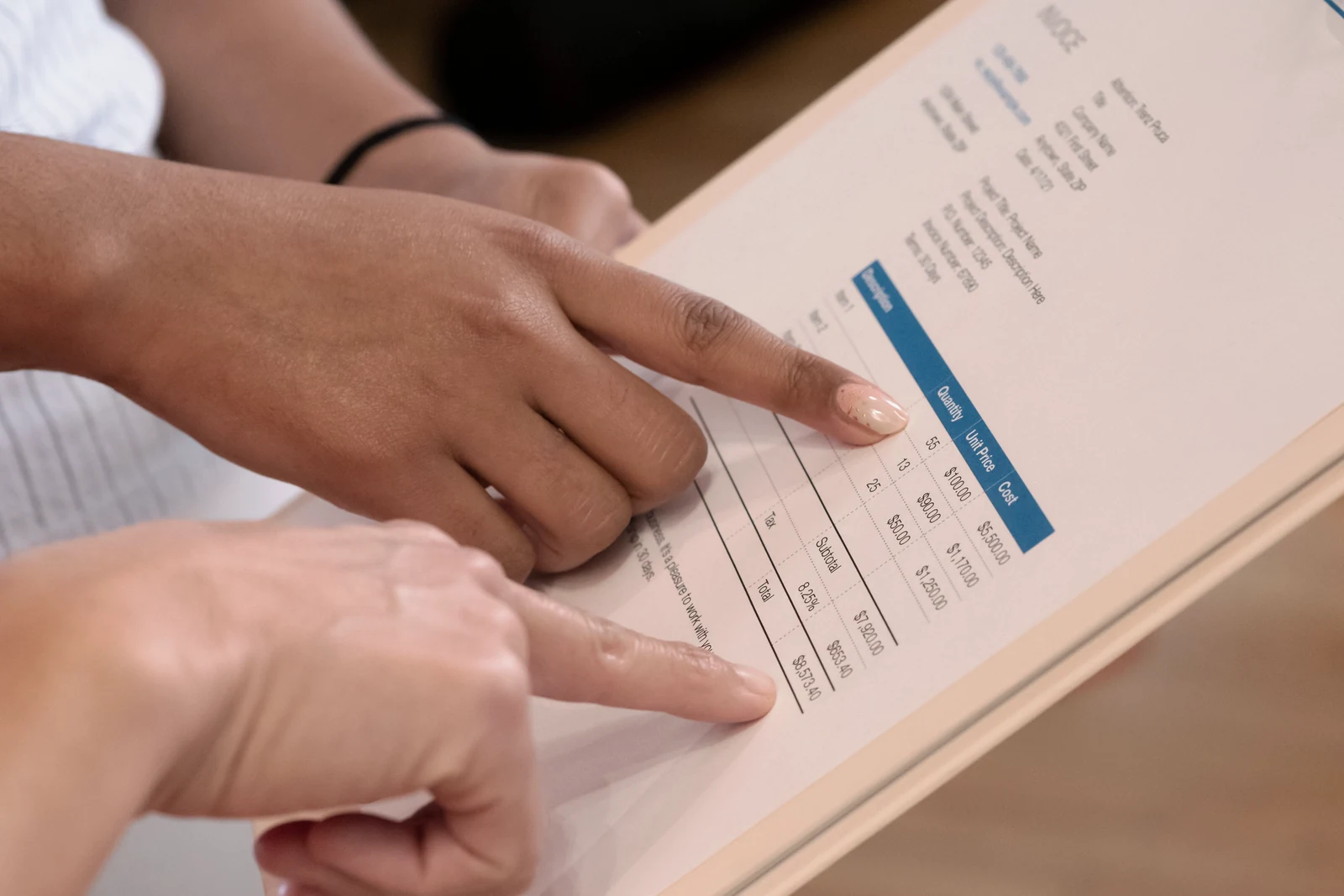
Attendance anomalies are patterns in your time and attendance data that deviate from what you’d expect — early clock-ins, mismatches between rostered and actual hours, missing records, pattern absences, or overtime clustering. They matter because they’re usually the first visible symptom of an underlying system, process, or management issue: when the same anomaly appears across many staff, it’s rarely individual behaviour and almost always something in your roster, your workflow, or your hardware that needs fixing.
Your time and attendance data tells a story beyond just who worked when. Within the patterns of clock-ins, clock-outs, and absences lie signals that reveal how your systems, processes, and management practices are actually functioning. When you learn to read these signals, you can identify and address problems before they escalate into compliance breaches, payroll errors, or staff burnout. Consistent early clock-ins might indicate shifts starting too late for the workload. Pattern absences could signal workplace conflict or personal struggles. Overtime clustering often points to staffing gaps in your rostering. This guide explains what to look for in your attendance data and what different anomalies typically indicate.
Quick summary
-
Attendance anomalies are early warning signs of system, process, or management issues
-
Patterns like consistent overtime, early clock-ins, and Monday absences reveal underlying problems
-
Automated anomaly detection catches issues before they compound
-
Investigation and supportive response is more effective than punitive approaches
What counts as an attendance anomaly?
An attendance anomaly is any pattern in your attendance history that deviates from the expected norm — an unusual clock time, a gap in the record, an absence that follows a suspicious rhythm, or a stretch of hours that doesn’t match the roster. An occasional one-off is just noise; an anomaly worth acting on is a pattern that repeats or clusters. Attendance anomalies fall into several categories, each with different implications:
Timing anomalies
These involve deviations from scheduled start or end times. Early clock-ins, late clock-outs, and clock times that don’t match roster times all qualify. While occasional variance is normal, consistent patterns indicate something needs attention — whether it’s roster timing, workload, or employee behaviour.
Absence anomalies
Beyond overall absence rates, patterns in when absences occur matter. Monday and Friday absences, absences around public holidays, absences following particular shifts, and clustering of absences in certain teams or under certain managers all provide signals worth investigating. Proper leave management helps track these patterns systematically.
Duration anomalies
Shifts consistently running significantly longer or shorter than rostered suggest workload or workflow issues. Extended break times, missed breaks, and overtime patterns that concentrate on specific days or roles also fall into this category.
Record anomalies
Missing clock-ins or clock-outs, duplicate records, impossible timing (like clock-out before clock-in), and records requiring frequent manual correction all indicate system or process problems that need addressing.
Common anomalies and what they indicate
Different anomaly patterns typically point to specific underlying issues:
Consistent early clock-ins
When multiple employees regularly clock in before scheduled start times, shifts may be starting too late for the actual workload. Staff arrive when work needs to begin, regardless of what the roster says. Review whether shift start times align with when work genuinely needs to commence.
Regular overtime in specific roles
When particular roles consistently require overtime while others don’t, it suggests workload imbalance or understaffing in those positions. The issue isn’t individual employees working slowly — it’s that the role is systematically under-resourced for the work required.
Monday and Friday absence patterns
Higher absence rates on Mondays and Fridays than mid-week may indicate long-weekend extension behaviour, but it can also signal that employees are exhausted from demanding weeks or disengaged from their roles. Before assuming the worst, consider whether workload or workplace issues contribute.
Absences clustered under specific managers
When absence rates are notably higher in one team than others, management style may be a factor. This could indicate overly demanding expectations, poor relationships, or toxic dynamics. It warrants investigation of team culture and leadership practices.
Extended breaks or missed breaks
Consistent break time anomalies suggest workflow problems. Extended breaks may indicate employees taking informal recovery time because workload is too intense. Missed breaks point to understaffing or workflow that doesn’t allow for legally required rest periods.
Frequent missing records
High rates of missing clock-ins or clock-outs, requiring manual timesheet entries, often indicate system accessibility problems. Time clocks may be inconveniently located, the mobile app may not work well in certain areas, or employees may not understand the process properly.

When the system itself creates the anomaly
Some of the most confusing anomalies aren’t caused by people at all — they’re caused by the attendance hardware or its configuration. The tell-tale sign is that the pattern is system-wide rather than tied to one person. If dozens of employees are suddenly recorded as late on the same morning, or a whole site shows synchronised mass clock-ins at an identical timestamp, you’re almost certainly looking at a backend configuration error, a clock set to the wrong time zone, or a device that lost connectivity and batched its records. These signatures point to the device, not the worker.
Biometric and card-based time clocks introduce their own failure modes. Fingerprint readers can misread dirty, wet, or worn hands and reject legitimate scans, pushing staff to manual entry that then shows up as a record anomaly. Shared PINs or swipe cards enable buddy punching, where one employee clocks in for another. And a single mis-set device clock cascades into every timesheet it touches. Before treating a spike in anomalies as a people problem, verify the hardware: check device time synchronisation, connectivity, and firmware, and confirm each terminal is mapped to the right location and roster.
This is where verification-based clock-ins matter more than biometrics alone. RosterElf’s kiosk time clock uses photo verification to confirm the right person is clocking in, while GPS geofencing confirms mobile staff are on-site — closing the buddy-punching gap without relying on fingerprint hardware that can fault. When the clock-in itself is trustworthy, the anomalies that remain are genuine signals rather than device noise.

Common tracking errors that generate false anomalies
A surprising share of anomalies trace back to how attendance is captured and processed rather than to what employees actually did. Fixing the process removes the false positives so real anomalies stand out:
Process errors to eliminate first
-
Time rounding — estimating or rounding clock times to the nearest 15 minutes quietly loses (or adds) hours over a pay cycle. Capture actual times to the minute instead.
-
Manual break tracking — breaks recorded by memory or on paper are routinely wrong; a system that timestamps break start and end removes the guesswork.
-
Inconsistent policy application — applying lateness or absence rules differently across staff creates apparent anomalies that are really just enforcement gaps. Apply and document rules uniformly.
-
Proxy clocking — letting one person clock in for another corrupts the data at the source; verification-based clock-ins prevent it.
-
No audit routine — without periodic review, small errors compound. Schedule a regular pass over the data and correct discrepancies promptly.
Distinguishing system issues from people issues
Before responding to attendance anomalies, determine whether you’re looking at a system problem or an individual behaviour issue:
1. Look for patterns across multiple employees
If the same anomaly appears across multiple staff members, it’s almost certainly a system or process issue rather than individual behaviour. When many people in a role are working overtime, the role is understaffed. When many people clock in early, shifts are scheduled too late. System issues require system solutions.
2. Consider recent changes
Did the anomaly emerge after a roster change, policy update, new manager, or system modification? Timing correlation often reveals causation. If overtime increased after you reduced headcount, that’s not surprising — it’s predictable cause and effect requiring a staffing solution.
3. Check for technical explanations
Missing records, duplicate entries, and timing impossibilities often trace to technical problems — app crashes, connectivity issues, or time clock malfunctions. Before assuming fraud or error, verify that systems are working correctly and that employees have proper access.
4. Have conversations before conclusions
Even individual anomalies often have legitimate explanations. A staff member with increasing late arrivals may be dealing with childcare challenges, health issues, or transport problems. Investigation and support are more effective starting points than discipline. Maintaining comprehensive HR records helps document these conversations appropriately.
Compliance implications of attendance anomalies
Several types of anomalies create or signal compliance risks under Fair Work requirements:
Missed break patterns
Australian awards and the National Employment Standards require specific break provisions. If data shows employees regularly working through breaks, you have a compliance problem — and potentially a safety risk. This requires immediate process review.
Excessive overtime
While overtime is legal, consistently excessive hours may breach reasonable hours provisions or award caps. Beyond compliance, sustained overtime creates fatigue risks and burnout. The pattern signals understaffing that should be addressed.
Poor record accuracy
Fair Work requires accurate time records. High rates of missing entries, manual corrections, or discrepancies between rostered and actual hours undermine record integrity. This creates audit risk and makes it harder to demonstrate compliance.
Minimum hours breaches
Many awards specify minimum engagement periods. If casual shifts are consistently finishing early, resulting in payments below minimum requirements, this creates underpayment liability. Anomaly detection helps catch these patterns.
Rest period violations
Awards often require minimum hours between shifts. If attendance data shows employees working closing and opening shifts with insufficient rest, this violates award provisions and creates safety risks from fatigued workers.
Payroll accuracy risks
Attendance anomalies flow directly into payroll. Undetected errors — unpaid overtime, missed penalty rates, incorrect hours — create underpayment liability and audit risk. Clean attendance data is essential for payroll accuracy.
Detecting and responding to anomalies
Effective anomaly management requires both detection systems and appropriate response processes:
Automated detection
Configure your time and attendance system to automatically flag anomalies. Set thresholds for acceptable variance from scheduled times. Create alerts for missing records, overtime triggers, and pattern deviations. Automated detection catches issues humans would miss.
Regular pattern review
Beyond individual anomalies, conduct periodic reviews of overall patterns. Look at trends over time, comparisons between teams, and seasonal variations. This high-level view reveals systemic issues that individual alerts might miss.
Investigation before action
When anomalies are detected, investigate before responding. Many have legitimate explanations. Understanding root causes leads to more effective solutions than immediate punitive responses. Investigation also protects against unfair treatment of employees.
Systemic solutions for systemic problems
When investigation reveals process or system issues, implement appropriate fixes. Adjust roster timing, address understaffing, improve time clock accessibility, or refine workflows. Individual counselling won’t fix systemic problems.
How RosterElf helps detect attendance anomalies
RosterElf includes features designed to identify and manage attendance anomalies:
Real-time alerts
Receive notifications when attendance events fall outside normal parameters. Early clock-ins, missed clock-outs, and overtime triggers are flagged immediately, enabling prompt investigation.
Pattern reporting
Built-in reports visualise attendance patterns over time. Identify trends, compare periods, and spot anomalies that develop gradually. Practical insights guide management decisions.
Roster comparison
Automatically compare actual attendance against scheduled rosters. Variance reports highlight where reality differs from plan, revealing where rostering assumptions need adjustment.
Compliance monitoring
System flags potential compliance issues — missed breaks, excessive hours, minimum engagement breaches — before they become audit findings. Proactive compliance protection.
Audit trail documentation
All attendance records and anomaly investigations are logged with timestamps. This documentation supports audit responses and demonstrates due diligence in managing attendance.
Payroll integration
Clean attendance data flows directly to payroll, reducing errors. Anomalies are resolved before payroll processing, ensuring accuracy and preventing underpayment issues.
Spot attendance issues before they become problems. RosterElf provides real-time attendance tracking with automated anomaly detection, roster comparison, and photo and GPS verification — helping you identify patterns and address issues early.
Frequently asked questions
What is an anomaly in attendance?
An attendance anomaly is a pattern in your time and attendance data that deviates from the expected norm — unusual clock-in or clock-out times, excessive overtime, pattern absences, mismatches between rostered and actual hours, missing records, or statistical outliers. A one-off is just noise; an anomaly worth acting on is a repeating or clustered pattern that usually points to an underlying system, process, or management issue.
What are the problems with a biometric attendance system?
Biometric systems can misread dirty, wet, or worn fingers and reject legitimate scans, forcing manual entries that show up as record anomalies. A single mis-set device clock cascades wrong times into every timesheet it touches, and hardware or connectivity faults can trigger synchronised mass clock-ins. They also raise privacy and data-storage obligations. RosterElf’s kiosk time clock with photo verification confirms identity without relying on fingerprint hardware that can fault.
Why should businesses monitor attendance anomalies?
Attendance anomalies are early warning signs of larger problems. Consistent early clock-ins may indicate shift timing issues. Pattern absences can signal workplace problems or health issues. Overtime clustering often points to understaffing. Catching these signals early allows proactive intervention before issues escalate into compliance breaches, burnout, or turnover.
What causes ghost clock-ins and how do you detect them?
Ghost clock-ins occur when employees clock in but little or no work is recorded. They may indicate buddy punching (one employee clocking in for another), system errors, or time theft. Detection involves comparing clock-in data against activity records, GPS verification for mobile workers, and supervisor attestation. Photo verification at the kiosk helps prevent this issue.
What do consistent overtime patterns indicate?
Regular overtime by certain employees or in certain roles often indicates understaffing or poor workload distribution. It may also suggest inefficient processes, scope creep in roles, or cultural expectations that normalise long hours. Beyond cost implications, consistent overtime creates burnout risk and potential Fair Work compliance issues.
How do attendance anomalies affect payroll accuracy?
Attendance anomalies flow directly into payroll. Early clock-ins that slip through create unexpected labour costs. Unrecorded breaks lead to incorrect pay calculations. Missing clock-outs require manual intervention that may introduce errors. Pattern absences may trigger leave entitlement calculations. Anomaly detection protects payroll accuracy.
What attendance patterns signal employee burnout?
Burnout indicators include increasing sick leave frequency, Monday/Friday absence patterns, decreasing overtime (previously engaged employees pulling back), clock-ins becoming progressively later, and increased break times. These patterns, especially when multiple appear together, warrant wellbeing conversations rather than purely disciplinary responses — see our guide on attendance patterns that indicate burnout.
How can technology help detect attendance anomalies?
Modern time and attendance systems can automatically flag anomalies — unusual clock times, variance from rosters, overtime thresholds, pattern absences, and missing records. Dashboards visualise trends that humans might miss. Alerts notify managers of issues requiring attention. This proactive detection prevents problems from compounding.
What should managers do when attendance anomalies are detected?
First, investigate the cause — anomalies often have legitimate explanations. Technical issues, personal circumstances, or workflow problems may underlie the pattern. Address system or process issues systematically. Have supportive conversations about individual patterns. Document findings and actions. Avoid assuming malicious intent without evidence.