
Employee onboarding compliance
Australia
Clear, Australian-focused guidance for SME owners and managers on compliant onboarding, record-keeping, and getting new hires set up correctly from day one.
No signup required • PDF format
Day 1
compliance starts immediately
6
key compliance insights
16
pages of guidance
SMEs
practical focus
Six critical insights for employers
Our review of Australian compliance guidance highlights these key insights for onboarding compliance.
Onboarding is a legal process
It involves mandatory documents and obligations
Day-one compliance matters
Delays can create long-term risk
Contracts set expectations
Poor documentation leads to disputes
Policies must be acknowledged
Unacknowledged policies weaken enforcement
Records protect employers
Incomplete onboarding files increase audit risk
Regulatory scrutiny is increasing
Onboarding is a growing focus area
What you'll learn
This 16-page guide covers onboarding compliance for Australian SMEs, from legal obligations to practical compliance actions.
- What onboarding compliance means
- Who onboarding laws apply to
- Mandatory onboarding requirements
- Contracts and employment details
- Policies and acknowledgements
- Tax, super and Fair Work setup
- Record-keeping and audits
- Practical actions compliant SMEs are taking
What must be completed
Australian employers must complete these onboarding steps for every new employee.
Fair work information statement
Must be provided to all new employees before or as soon as possible after they start.
Employment contract
Written agreement outlining employment type, pay rates, hours, leave, and termination provisions.
Tax file number declaration
Required for PAYG withholding setup and correct tax treatment from the first pay.
Superannuation choice
Employees must be given the opportunity to choose their super fund within required timeframes.
The full guide: employee onboarding compliance
Employee onboarding is more than welcoming a new starter — it is a critical compliance process under Australian workplace laws. Employers must collect specific information, issue required documents and meet regulatory obligations from the first day of employment.
Executive summary
Many onboarding compliance issues arise unintentionally. Missing documents, incomplete records or delayed setup can expose small businesses to disputes, underpayment risk and regulatory action.
Australian regulators increasingly examine onboarding records during audits, because early-stage non-compliance often leads to broader payroll and award breaches later.
This guide explains what compliant onboarding looks like in Australia and outlines practical steps SMEs can take to set new hires up correctly from day one.
What onboarding compliance means
Onboarding compliance means meeting all Australian legal and regulatory requirements when engaging a new employee. This includes:
Issuing correct employment documentation
Collecting required employee details
Providing Fair Work information
Setting up tax and superannuation
Maintaining accurate employment records
Important
Onboarding compliance applies regardless of business size, and whether employees are full-time, part-time or casual. The employee onboarding module tracks each requirement to completion, and there is a step-by-step guide for doing it by hand.
Who onboarding obligations apply to
Onboarding requirements apply to full-time, part-time and casual employees, across all industries and awards.
Even short-term or casual engagements
must meet minimum onboarding obligations.
Delegated or outsourced tasks
do not transfer the obligation — the employer remains responsible.
Key point
Responsibility for compliant onboarding rests with the employer, regardless of who performs the tasks.
Mandatory onboarding requirements
Australian employers must complete certain onboarding steps, including:
Providing the Fair Work Information Statement
Issuing an employment contract or written agreement
Collecting tax file number declarations
Obtaining superannuation choice details
Recording employee personal information
This list is a summary, not a checklist
Required statements have been added over time — casual employees and fixed-term employees now receive their own information statements. Confirm the current set with the Fair Work Ombudsman before relying on it.
Contracts and employment details
Employment contracts play a critical role in onboarding compliance. Contracts should clearly outline:
Employment type
Pay rates and classifications
Hours and rostering expectations
Leave entitlements
Termination provisions
Risk area
Unclear or outdated contracts increase the risk of disputes and misclassification.
Policies and acknowledgements
Policies support workplace compliance and behavioural expectations. Common onboarding policies include:
Code of conduct
Leave policies
Workplace health and safety
Anti-discrimination and harassment
Best practice
Require employees to acknowledge receipt and understanding of policies in writing.
Tax, super and Fair Work setup
Early-stage payroll setup is part of onboarding compliance. This includes:
PAYG withholding setup
Superannuation fund details
Minimum pay rate alignment with awards
Correct employee classification
Common risk area
Errors at this stage flow through payroll and create long-term compliance issues.
Why onboarding records matter
Onboarding records are often the first documents requested during audits or disputes. Employers must retain:
Contracts and agreements
Policy acknowledgements
Personal and payroll details
Key point
Missing or incomplete onboarding records significantly weaken an employer's position.
Practical actions Australian SMEs are taking
Compliant Australian SMEs focus on:
Using standardised onboarding checklists
Ensuring no steps are missed.
Issuing contracts before work starts
Reducing ambiguity from day one.
Capturing acknowledgements digitally
Creating clear audit trails.
Reviewing onboarding files regularly
Spotting gaps early.
Start with consistency, then improve efficiency
Building a reliable onboarding process creates the foundation for scalable compliance.
12-month outlook: what to expect
Over the next year, Australian SMEs can expect:
Increased scrutiny of employment documentation
Regulators examining contracts and onboarding records.
Greater focus on misclassification risks
Employee versus contractor status under closer review.
Higher expectations around record-keeping
Audit-ready documentation becoming standard.
Less tolerance for informal onboarding
Verbal agreements and informal practices challenged.
Compliant onboarding will continue to play a key role in enforcement activity.
Final thoughts
Employee onboarding sets the foundation for the entire employment relationship. Australian SMEs that prioritise compliant onboarding reduce disputes, strengthen payroll and award compliance, and create clearer expectations for employees.
Getting onboarding right from day one saves time, cost and risk later.
Research and regulatory guidance
This guide draws on Australian research and guidance including:
Fair Work Ombudsman
Workplace compliance and enforcement guidance
Australian Taxation Office
PAYG withholding and superannuation obligations
Fair Work Commission
Modern awards and employment conditions
Safe Work Australia
Workplace health and safety guidance
This guide provides general information only and does not constitute legal, payroll or workplace advice. Employment obligations vary by award, agreement and circumstance — refer to the Fair Work Ombudsman or a qualified professional.
Is this guide right for you?
SME owners
Business owners who need to understand their onboarding obligations when hiring new staff.
HR managers
HR professionals responsible for setting up new employees and maintaining compliance records.
Hiring managers
Those involved in bringing new team members on board and ensuring a compliant start.
Get your free guide today
Step-by-step guidance to help you get employee onboarding right from day one.
Download free e-guideMore free resources
Managing casual employees
Free e-guide on casual employment compliance for Australian SMEs.
Download e-guideFlexible work arrangements
Free e-guide on flexible work compliance for Australian SMEs.
Download e-guideFree HR templates
Downloadable policies, forms, and templates for Australian workplaces.
Browse templatesRosterElf's HR software simplifies employee onboarding with digital document management, policy acknowledgements, and compliant record-keeping. Our workforce management platform includes employee profiles, contract storage, and automated Fair Work compliance checks from day one.




Real support from people who understand your business
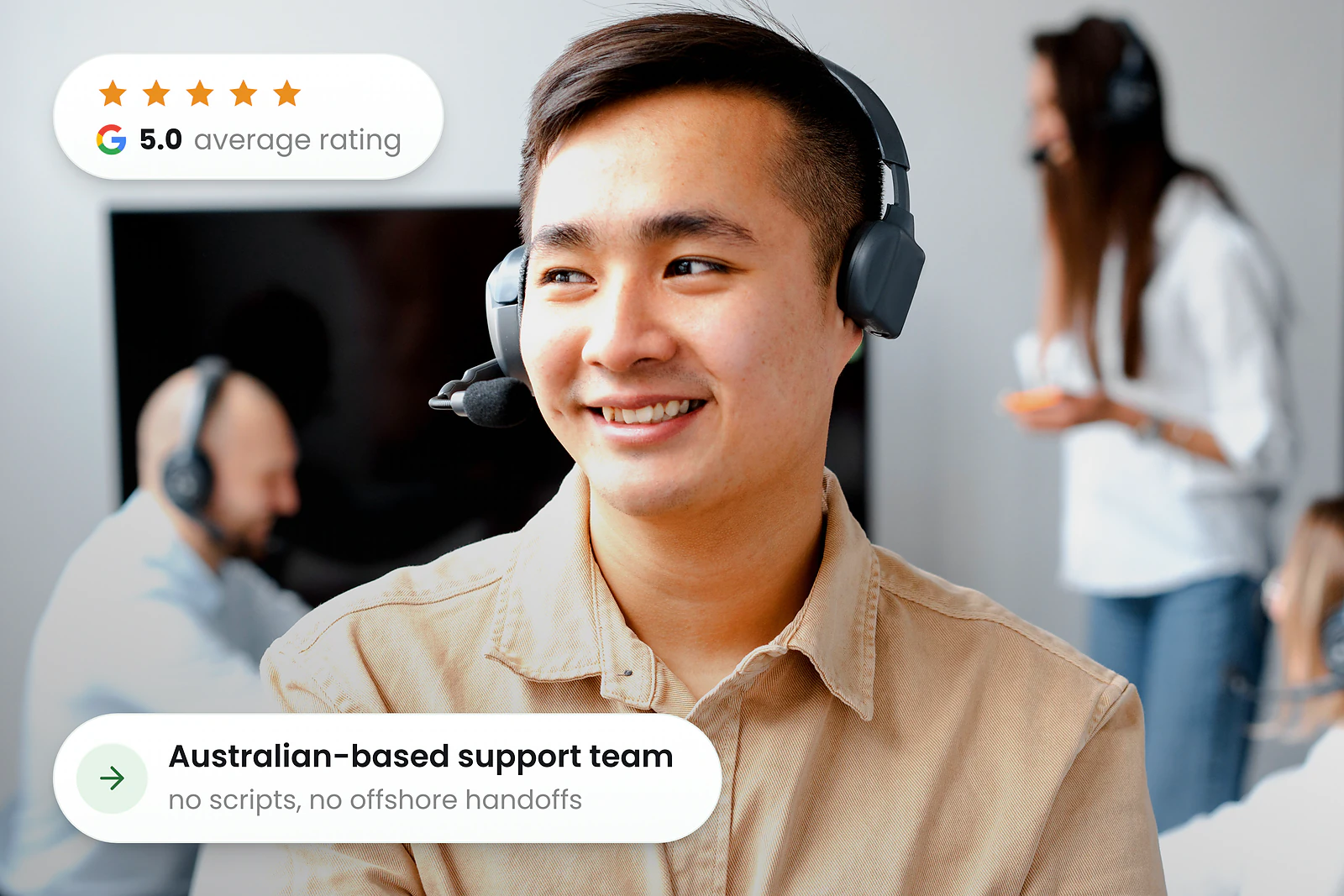
At RosterElf, support isn't a ticket system — it's part of the product. Our Australian-based team helps you set up correctly, understand award rules, and stay compliant as your business changes. No scripts. No offshore handoffs. Just real help when you need it.
-
Guided setup and onboarding
-
Award and payroll questions answered
-
Ongoing help as your team grows
Frequently asked questions
- This 16-page guide covers employee onboarding compliance for Australian small businesses, including legal obligations, mandatory requirements, contracts, policies, tax and super setup, and record-keeping.
- The guide is designed for Australian SME owners, managers, and HR staff who need to understand their onboarding obligations and ensure new hires are set up correctly from day one.
- Yes, the guide is completely free. No signup or email address is required. Simply click the download button to get instant access to the PDF.