
Managing casual employees
Australia
Clear, Australian-focused guidance for SME owners and managers on casual employment rules, rostering, pay obligations, and compliance risk.
No signup required • PDF format
19%
of employees are casual (ABS, Aug 2025)
6
key compliance insights
16
pages of guidance
SMEs
practical focus
Six critical insights for employers
Our review of Australian workplace guidance and enforcement trends highlights these key insights for businesses employing casuals.
Casual status is defined by reality
How work is offered and accepted matters more than labels
Loadings replace some entitlements
Casual loadings compensate for certain benefits — not all
Regular patterns increase risk
Long-term regular hours can trigger conversion obligations
Rostering affects compliance
Shift patterns influence casual classification and risk
Documentation is critical
Contracts and records protect employers
Regulatory focus is increasing
Casual misclassification remains a priority area
What you'll learn
This 16-page guide covers casual employment essentials for Australian SMEs, from understanding definitions to practical compliance actions.
- What casual employment means in Australia
- Who can be employed casually
- How casual pay and loadings work
- Best practices for rostering casuals
- Casual conversion rules and obligations
- Leave and entitlements for casuals
- Record-keeping and contract requirements
- Practical actions compliant SMEs are taking
Where casual arrangements go wrong
Casual misclassification often occurs due to these common issues.
Regular, ongoing patterns
Casuals working fixed hours week after week may no longer qualify as genuinely casual.
Advance rostering
Rostering casuals weeks in advance with guaranteed shifts undermines casual status.
Ignoring conversion rights
Failing to assess and respond to casual conversion requests within required timeframes.
Poor documentation
Unclear contracts and missing records make it difficult to demonstrate genuine casual arrangements.
The full guide: managing casual employees
Casual employees play a vital role in the Australian small business workforce. They provide flexibility, help businesses respond to fluctuating demand, and are common across hospitality, retail, healthcare and services.
Executive summary
Casual employment is also one of the most misunderstood areas of workplace law. Changes to legislation, evolving definitions of casual employment and increased regulatory scrutiny mean many small businesses are unsure whether they are managing casual staff correctly.
Casual employment is not simply about paying a higher hourly rate. Employers must understand when casual engagement is appropriate, how casual loadings work, when conversion rights apply, and how rostering and work patterns affect compliance.
This guide explains how casual employment works in Australia today and outlines practical steps SMEs can take to manage casual employees confidently and compliantly.
What casual employment means
In Australia, casual employment is characterised by:
No firm advance commitment to ongoing work
Work offered on a shift-by-shift basis
The ability for either party to accept or decline work
Important
Casual status is determined by the true nature of the working relationship, not just what is written in a contract.
Simply calling an employee "casual" does not automatically make them one.
Who can be employed as a casual
Casual employment is generally appropriate where work is irregular or unpredictable, demand fluctuates, and employees genuinely choose flexibility. It may be inappropriate where:
Hours are fixed and ongoing
Shifts are guaranteed in advance
Employees work regular, permanent patterns over long periods
Key point
Using casual employment where permanent employment would be more appropriate increases compliance risk.
Casual pay and loadings
Casual employees are typically paid a higher hourly rate that includes a casual loading. The loading compensates for paid leave entitlements, notice of termination and job security. It does NOT replace:
Penalty rates
Overtime
Allowances
Casual loadings vary by award and must be applied correctly — check the award guide covering your staff.
Rostering casual employees
Rostering practices play a key role in casual compliance. Risk increases when casuals are rostered weeks in advance, hours rarely change, or shifts resemble permanent patterns. Best practice includes:
Offering shifts closer to the work date
Avoiding guaranteed hours
Maintaining genuine flexibility
Rostering should reflect the nature of casual engagement.
Casual conversion explained
Most modern awards and legislation give casual employees the right to request conversion to permanent employment after a qualifying period. Obligations typically arise when a casual has worked regular hours over an extended period and could continue those hours as a permanent employee. Employers must:
Assess conversion eligibility
Respond within the required timeframes
Provide reasons if refusing conversion
Conversion rules have changed more than once in recent years. Confirm the current qualifying period and process with the Fair Work Ombudsman rather than relying on a figure you remember.
Failure to manage conversion properly can result in disputes.
Leave and other entitlements
Casual employees generally do not receive paid annual leave, paid personal/carer’s leave, or paid public holidays unless worked. However, casuals may still be entitled to:
Unpaid leave
Family and domestic violence leave
Superannuation
Workers' compensation coverage
Understanding which entitlements apply is essential for compliance.
Why documentation matters
Accurate records and clear contracts help demonstrate that casual arrangements are genuine. Best practice includes:
Written casual employment agreements
Clear explanation of casual status
Accurate time and pay records
Documentation of conversion assessments
Common risk area
Poor documentation increases exposure during audits and disputes.
Clear records protect both employers and employees in the event of a dispute.
Practical actions Australian SMEs are taking
Compliant Australian SMEs focus on:
Using clear casual contracts
Setting expectations from the start.
Reviewing work patterns regularly
Identifying when casuals begin working permanent-like hours.
Managing conversion proactively
Tracking eligibility and responding on time.
Aligning rostering with casual status
Avoiding guaranteed or fixed hours.
Start with visibility, then refine practices
You don't need to fix everything at once. Focus on getting the fundamentals right first.
12-month outlook: what to expect
Over the next year, Australian SMEs can expect:
Continued scrutiny of casual misclassification
Regulators continue to prioritise casual classification compliance.
Greater awareness of conversion rights
Employees are increasingly aware of their entitlements.
More employees raising concerns
Questioning casual status is becoming more common.
Stronger expectations around proactive compliance
Waiting for problems to emerge is no longer acceptable.
Managing casual employees correctly will remain a key risk area.
Final thoughts
Casual employment offers valuable flexibility — but only when used appropriately. Australian SMEs that understand casual definitions, manage rostering carefully and address conversion obligations early can enjoy the benefits while reducing compliance risk.
Clarity and consistency are key.
Research and regulatory guidance
This guide draws on Australian research and guidance including:
Fair Work Ombudsman
Workplace compliance and enforcement guidance
Fair Work Commission
Modern awards and employment conditions
Australian Bureau of Statistics
Employment and workforce data
Safe Work Australia
Workplace health and safety guidance
Always refer to official guidance for current requirements. This guide provides general information only and does not constitute legal advice.
Is this guide right for you?
HR managers
HR professionals managing casual employment arrangements and conversion processes.
Roster managers
Those responsible for rostering casual staff and maintaining compliant scheduling practices.
Get your free guide today
Actionable guidance to help you manage casual employees confidently and compliantly.
Download free e-guideRosterElf's rostering software helps Australian businesses manage casual employee availability and shift patterns. Our HR software simplifies casual employee record-keeping and contract management, while our workforce management platform includes compliance tools and flexible scheduling features built for casual workforce management.
More free resources
Casual vs permanent trends
Free e-guide on workforce composition trends for Australian SMEs.
Download e-guideFlexible work arrangements
Free e-guide on flexible work compliance for Australian SMEs.
Download e-guideFree HR templates
Downloadable policies, forms, and templates for Australian workplaces.
Browse templates



Real support from people who understand your business
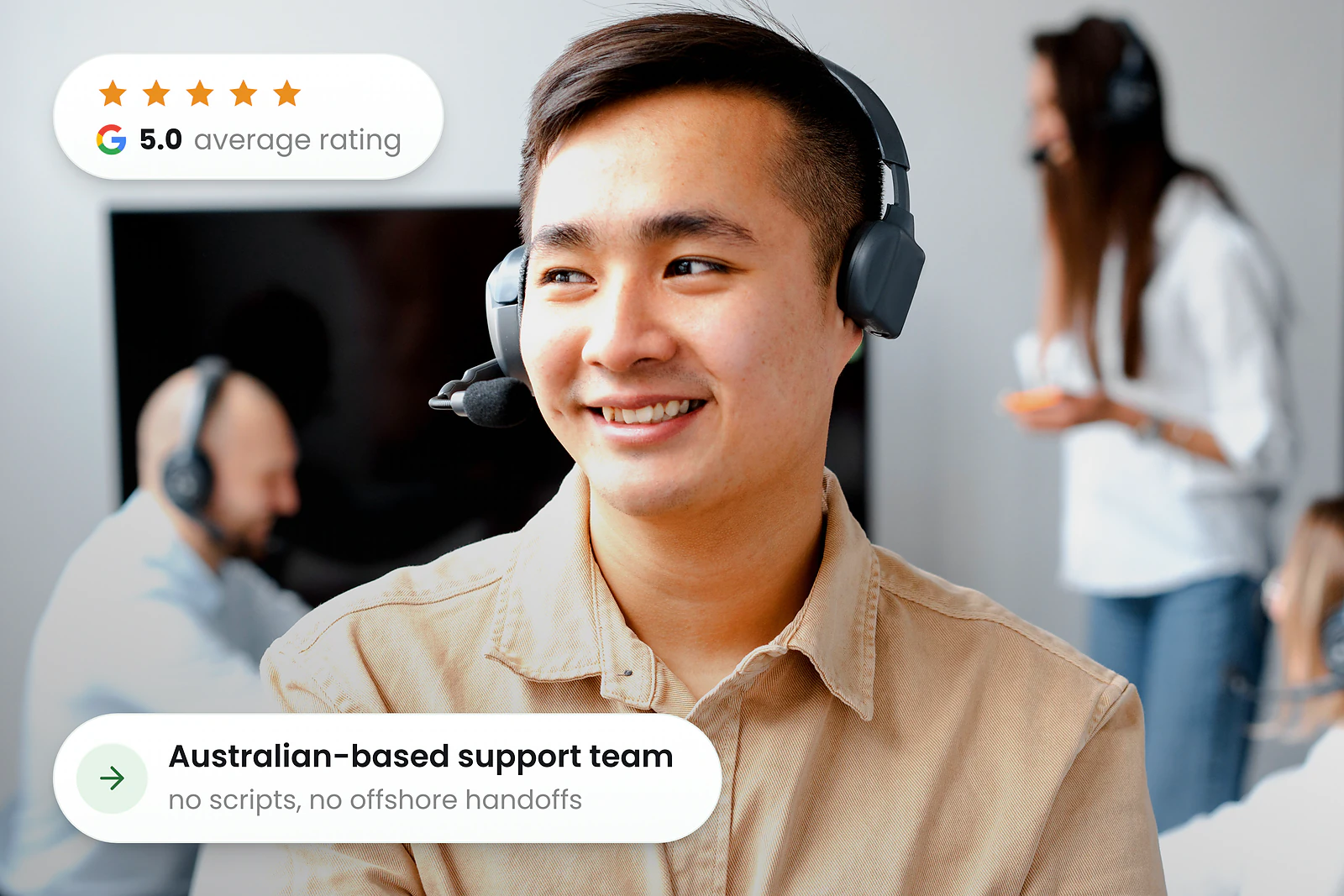
At RosterElf, support isn't a ticket system — it's part of the product. Our Australian-based team helps you set up correctly, understand award rules, and stay compliant as your business changes. No scripts. No offshore handoffs. Just real help when you need it.
-
Guided setup and onboarding
-
Award and payroll questions answered
-
Ongoing help as your team grows
Frequently asked questions
- This 16-page guide covers casual employment for Australian small businesses, including casual definitions, pay and loadings, rostering best practices, conversion rules, leave entitlements, and practical compliance actions.
- The guide is designed for Australian SME owners, managers, and HR staff who employ casual workers and need to understand their obligations around casual employment.
- Yes, the guide is completely free. No signup or email address is required. Simply click the download button to get instant access to the PDF.