
Flexible work arrangements
Australia 2026
Clear guidance for SME owners and managers on flexible work obligations, managing requests, and maintaining compliance and productivity.
No signup required • PDF format
1 in 3
workers work flexibly
6
key flexibility insights
16
pages of guidance
SMEs
practical focus
Six insights shaping flexible work
Our review of Australian workforce research and guidance highlights these key insights.
Flexibility is now expected
Many workers view flexible work as standard
Requests are legally protected
Certain employees have a formal right
Not all roles are equal
Flexibility must suit operational realities
Process matters
How requests are handled affects compliance
Poor documentation creates exposure
Verbal arrangements are hard to defend
Well-managed flexibility improves retention
Flexibility supports engagement and loyalty
What you'll learn
This 16-page guide covers flexible work arrangements in Australia, from employee rights to practical compliance strategies.
- What flexible work arrangements mean under Australian law
- Who has a legal right to request flexible work
- Common types of flexible arrangements SMEs use
- How to manage flexible work requests correctly
- Balancing flexibility with productivity
- Compliance risks and how to avoid them
- Documentation and record-keeping requirements
- Practical actions successful SMEs are taking
Common flexible arrangements
Australian SMEs commonly implement these types of flexible work arrangements.
Flexible hours
Staggered start and finish times, compressed workweeks, and part-time arrangements.
Remote work
Work-from-home arrangements, hybrid models, and regular remote work days.
Job sharing
Two or more employees sharing responsibilities of a single role.
Flexible rostering
Input into shift preferences, availability, and roster planning.
Trusted Australian sources
This guide draws on official regulatory guidance and research from leading Australian institutions.
Is this guide right for you?
SME owners
Business owners who need to understand flexible work obligations and manage requests.
Managers
Team leaders responsible for handling flexible work requests and balancing team needs.
HR professionals
HR staff who develop flexible work policies and support compliance.
Get your free guide today
Step-by-step guidance to help you manage flexible work effectively.
Download free e-guideRosterElf's rostering software helps Australian businesses manage flexible work arrangements and staff availability. Our HR software maintains employee records and documents flexible work agreements, while our workforce management platform includes shift swapping, availability tracking, and flexible scheduling tools built for modern workplace needs.
More free resources
Casual vs permanent trends
Free e-guide on workforce composition trends for Australian SMEs.
Download e-guideEmployee onboarding
Free e-guide on employee onboarding compliance for Australian SMEs.
Download e-guideFree HR templates
Downloadable policies, forms, and templates for Australian workplaces.
Browse templates



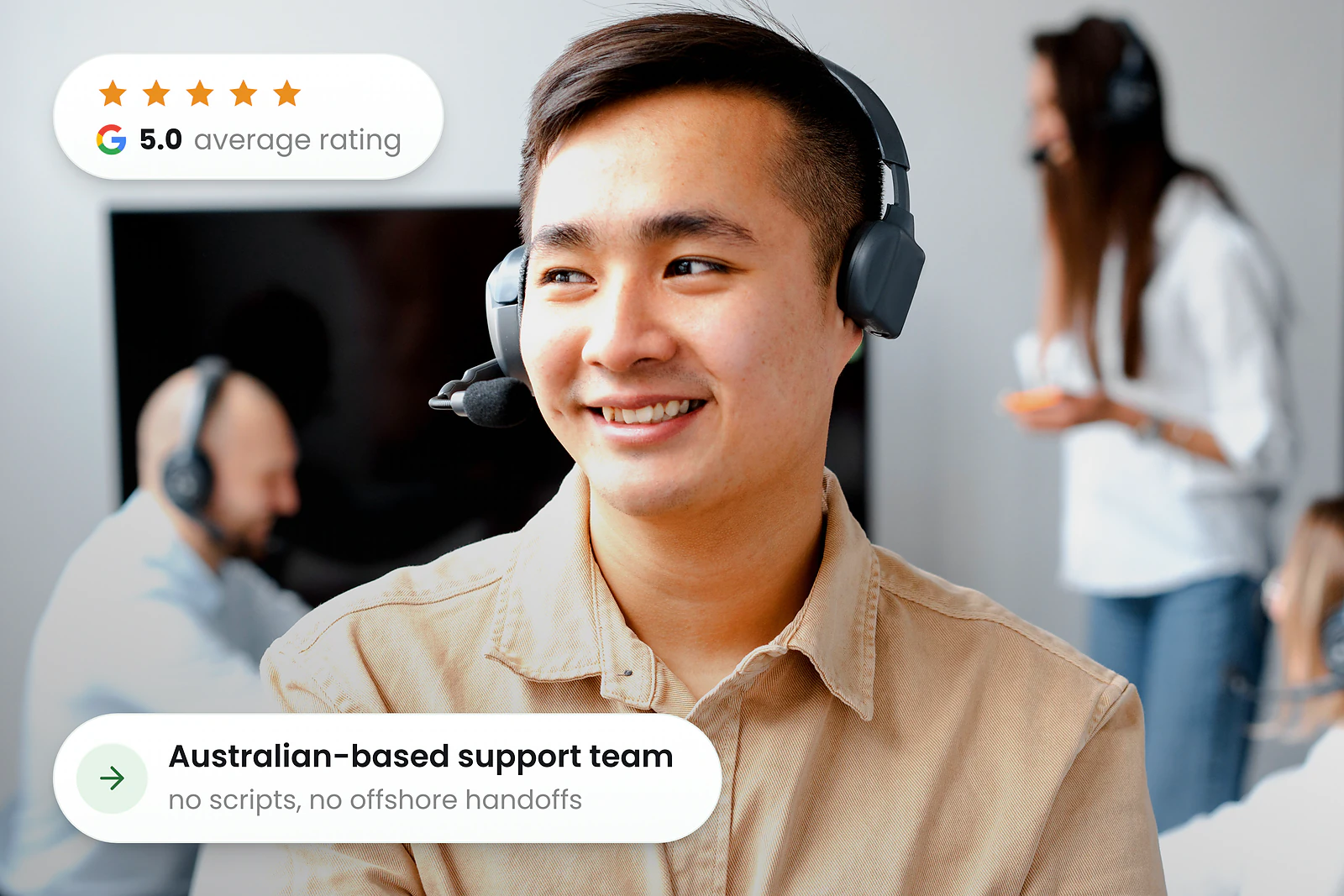
Real support from people who understand your business
At RosterElf, support isn't a ticket system — it's part of the product. Our Australian-based team helps you set up correctly, understand award rules, and stay compliant as your business changes. No scripts. No offshore handoffs. Just real help when you need it.
-
Guided setup and onboarding
-
Award and payroll questions answered
-
Ongoing help as your team grows
Frequently asked questions
- This 16-page guide covers flexible work arrangements in Australia, including employee rights, employer obligations, common arrangement types, managing requests, compliance risks, and practical strategies for SMEs.
- The guide is designed for Australian SME owners, managers, and HR staff who need to understand flexible work obligations and want practical guidance on managing flexibility effectively.
- Yes, the guide is completely free. No signup or email address is required. Simply click the download button to get instant access to the PDF.