
Checkout operator job description
A comprehensive job description template for checkout operator positions in Australian supermarkets and retail stores. Covers scanning duties, payment processing, age verification and conditions aligned with the General Retail Industry Award.
Checkout operator job description
PDF format • Ready to download
By downloading, you agree to our template disclaimer
This checkout operator job description template is designed to reflect Australian workplace standards and retail industry practices at the time of publication. Confirm the applicable modern award for your business and ensure compliance with all relevant employment laws. It does not constitute legal, HR, or professional advice and should not be relied on as a substitute for advice specific to your business, workforce, or circumstances.

What does a checkout operator do?
A checkout operator is responsible for processing customer purchases efficiently and accurately in supermarkets, grocery stores and other retail environments. The role involves scanning items, processing payments, verifying age for restricted products and providing friendly customer service.
In Australia, checkout operators are typically classified under the General Retail Industry Award 2020 (MA000004) as Retail Employees at Level 1 or Level 2. The role is often an entry point to retail employment and requires reliability, accuracy and customer service skills.
This template provides a foundation for creating clear, compliant job descriptions that attract suitable candidates while setting appropriate expectations. Once hired, manage your checkout team efficiently with retail rostering software.
Key responsibilities
Core duties included in this job description template
Scanning and processing
Accurately scanning items, entering PLU codes for fresh produce, processing transactions efficiently and maintaining scanning speed and accuracy.
Payment processing
Handling cash, card and digital payments, processing EFTPOS transactions, providing receipts and ensuring correct change is given.
Age verification
Verifying customer age for restricted items including alcohol and tobacco products, requesting identification when required and following responsible service procedures.
Customer service
Greeting customers, providing friendly service, answering basic queries, assisting with packing and managing customer concerns professionally.
Checkout maintenance
Keeping checkout area clean and organised, restocking bags and receipt paper, reporting equipment issues and maintaining professional appearance of workspace.
Queue management
Monitoring queue lengths, calling for additional checkout support when needed, processing customers efficiently during peak periods and minimising wait times.
Skills and attributes
What to look for in candidates
Speed and accuracy
Ability to scan items quickly while maintaining accuracy, efficient with PLU codes and capable of working at pace during busy periods.
Customer service
Friendly demeanour, clear communication with customers, patience during transactions and professional handling of customer concerns.
Attention to detail
Accuracy in cash handling, careful verification of age-restricted items and ensuring correct pricing and discounts are applied.
Product knowledge
Familiarity with PLU codes for fresh produce, understanding of common products and ability to identify items without barcodes.
Reliability
Punctuality for scheduled shifts, consistent attendance, minimal absenteeism and dependability during peak trading periods.
Patience and composure
Remaining calm during busy periods, handling difficult situations professionally and maintaining positive attitude throughout shift.
Qualifications and requirements
Checkout operator positions typically have minimal formal qualification requirements, making them accessible entry-level roles. Focus on reliability, basic numeracy and customer service aptitude. RSA certification may be required if selling alcohol.
- Working rights (Required)
Eligibility to work in Australia
- Basic numeracy (Required)
Ability to handle cash and perform basic calculations
- RSA certification
Required if selling alcohol — may be provided during onboarding
- Age verification training
Training typically provided by employer for restricted item sales
- Customer service experience
Previous customer-facing experience is advantageous
Working conditions
Set clear expectations for candidates about the checkout operator work environment
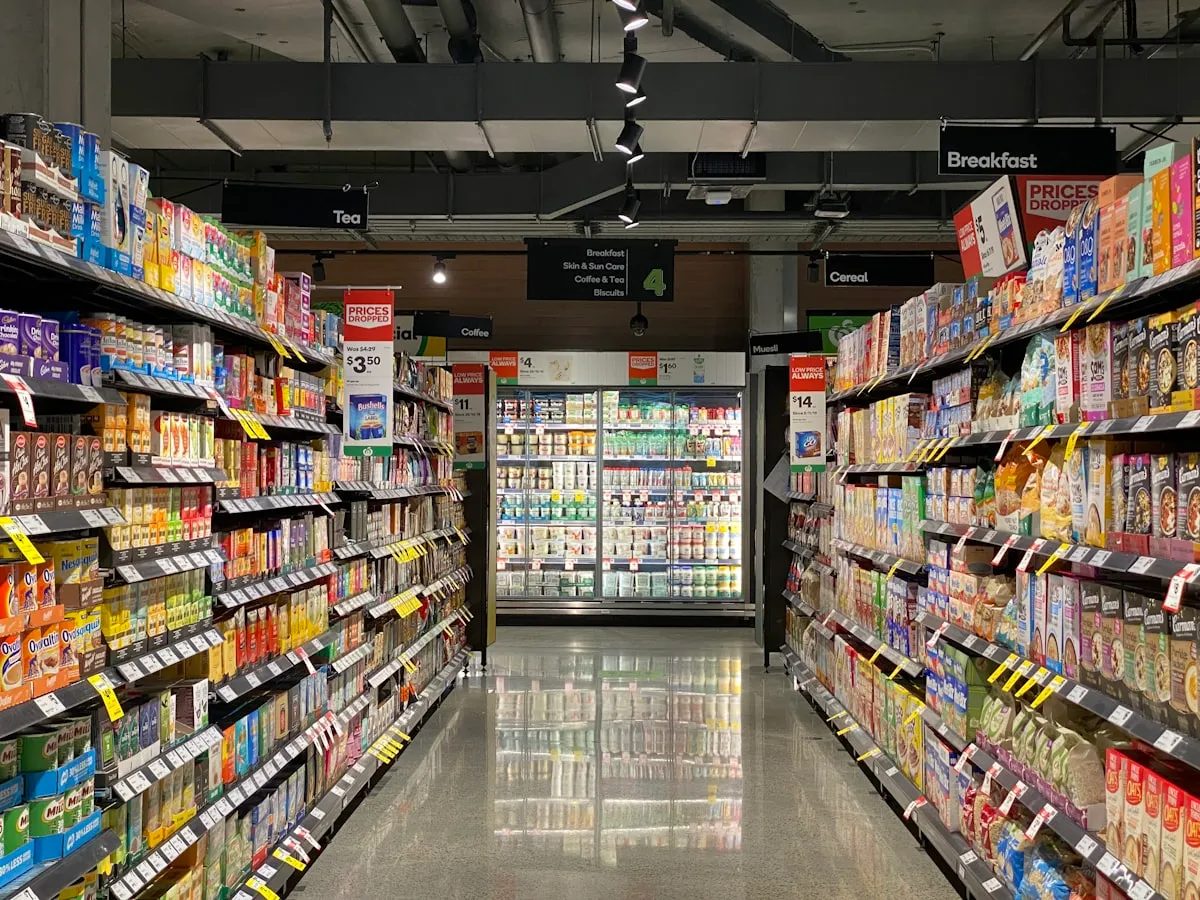
- Standing for extended periods throughout shifts at checkout station
- Fast-paced environment during peak times with high transaction volumes
- Repetitive movements including scanning, reaching and keyboard use
- Working weekends, public holidays and peak trading periods
- Compliance with uniform and grooming standards
- Handling cash and maintaining security procedures
Award coverage
Understanding the General Retail Industry Award
General retail industry award 2020
Most checkout operator positions in Australia are covered by the General Retail Industry Award 2020 (MA000004). This modern award sets minimum pay rates, penalty rates, allowances and conditions for employees in retail establishments including supermarkets and grocery stores. View current Retail Award pay rates.
Checkout operators typically start at Level 1 (entry-level) and may progress to Level 2 with experience and additional responsibilities. Use award interpretation software to calculate pay accurately including penalty rates for weekend and evening work.
Penalty rates and loadings
Checkout operators are entitled to penalty rates for work performed outside standard hours. This includes higher rates for Saturday, Sunday, public holidays and evening work. Casual employees receive a 25% loading in lieu of leave entitlements.
Specific rates depend on the employee’s classification level and employment type. Ensure your payroll system correctly applies all applicable loadings and penalties to maintain compliance practices with Fair Work requirements.
General Retail Award pay rates 2026-27
Minimum ordinary hourly rates by classification, effective from 1 July 2026. Casual includes the 25% casual loading. Penalty rates for weekends, evenings and public holidays apply on top.
| Classification | Weekly | Hourly | Casual hourly |
|---|---|---|---|
| Retail employee level 1 Entry-level: sales assistant, checkout, shelf filler | $1056.80 | $27.81 | $34.76 |
| Retail employee level 2 Some experience / responsibility (e.g. ordering) | $1081.00 | $28.45 | $35.56 |
| Retail employee level 3 Trade qualification or specialised duties | $1097.80 | $28.89 | $36.11 |
| Retail employee level 4 Supervisory / senior sales / department duties | $1119.10 | $29.45 | $36.81 |
| Retail employee level 5 Supervisor of a section or small store | $1165.10 | $30.66 | $38.33 |
| Retail employee level 6 Tradesperson / advanced specialised role | $1182.10 | $31.11 | $38.89 |
| Retail employee level 7 Senior supervisor / coordinator | $1241.40 | $32.67 | $40.84 |
| Retail employee level 8 Manages a section/store, supervises staff | $1291.80 | $33.99 | $42.49 |
Source: the Fair Work General Retail Award pay guide (MA000004). Full classifications, penalty rates, allowances and a calculator are in the General Retail Award pay guide .
Who should use this template?
This job description template is designed for Australian retail businesses with checkout operations
Whether you run a small grocery store or a large supermarket chain, clear job descriptions help attract reliable candidates.
How to use this template
Tips for customising the job description for your store
Add your store details
Include your business name, location, store type and trading hours including weekend and evening shifts.
Specify RSA requirements
Clarify if RSA certification is required for alcohol sales, and whether training will be provided during onboarding.
Define experience level
Clarify if this is entry-level with training provided or if previous checkout or retail experience is preferred.
Include availability requirements
Be specific about weekend requirements, peak period availability and flexibility needed for busy trading times.
Check award coverage
Confirm the General Retail Industry Award applies to your business and update classification levels accordingly.
Review regularly
Update the job description when responsibilities change or when recruiting for seasonal or peak period positions.
Ready to hire your next checkout operator?
Once your team is in place, build compliant rosters in minutes, track hours and apply award penalty rates automatically with RosterElf retail rostering software.
Related resources
More templates and tools for retail businesses
HR policy templates
Free workplace policy templates including code of conduct, leave policies and more.
Browse templatesRetail solutions
See how RosterElf helps retail businesses manage staff scheduling, payroll and compliance.
Learn moreRetail award pay rates
Current pay rates, penalty rates and allowances under the General Retail Industry Award 2020.
View ratesRelated job descriptions
More roles in this category — free templates you can download and edit.
Customer service assistant job description
Free customer service assistant job description template for Australian retailers. Complaint handling, returns, skills and General Retail Award classifications.
Learn moreDepartment supervisor job description
Free department supervisor job description template for Australian retail stores. Duties, skills, KPIs and General Retail Industry Award Level 4-5 classifications.
Learn moreFashion retail associate job description
Free fashion retail associate job description template for Australian stores. Styling, sales, visual merchandising duties and General Retail Award classifications.
Learn moreFloor supervisor job description
Free retail floor supervisor job description template for Australian stores. Supervisory duties, leadership skills and General Retail Award Level 4-5 classifications.
Learn moreGarden centre retail assistant job description
Free garden centre retail assistant job description template for Australian nurseries. Plant advice, plant care, stock and General Retail Award duties included.
Learn moreGift shop attendant job description
Free gift shop attendant job description template for Australian retail and tourist venues. Duties, gift wrapping, skills and General Retail Award classifications.
Learn moreExplore the retail cluster
Guides, tools and templates to help you hire, roster and pay retail staff
Award guides
How-to guides
Industries
Related features
Templates
Regulatory sources
This job description is aligned with Australian workplace award requirements.
Frequently asked questions
-
A checkout operator processes customer purchases at the point of sale in supermarkets, grocery stores and other retail environments. Day-to-day duties include scanning items, entering PLU codes for fresh produce, processing cash, card and digital payments, verifying age for restricted items such as alcohol and tobacco, and providing friendly customer service. The role is typically classified under the General Retail Industry Award 2020 at Level 1 or Level 2.
-
The terms ‘checkout operator’ and ‘cashier’ are often used interchangeably in Australian retail, particularly in supermarkets and grocery stores. Under the General Retail Industry Award, both roles typically fall under the Retail Employee classification at Level 1 or Level 2, depending on experience and responsibilities.
-
Most checkout operator positions are covered by the General Retail Industry Award 2020 (MA000004). This award applies to employees in retail establishments including supermarkets, grocery stores and other retail businesses with checkout facilities. Always verify which award applies to your specific retail business.
-
Under the General Retail Industry Award, checkout operators typically start at Level 1 (entry-level) and may progress to Level 2 with experience and increased responsibilities. Level 1 covers basic scanning and payment processing, while Level 2 may include additional duties such as customer service desk work or supervision. See our Retail Award pay rates guide for current rates.
-
Scanning speed varies by store and experience level, but the focus should be on accuracy rather than speed alone. Entry-level operators typically develop their speed within the first few weeks. Most retailers provide training on efficient scanning techniques and proper ergonomics to maintain speed without sacrificing accuracy or causing strain.
Before you download
General information only — not legal advice
This document is a general HR template provided for informational purposes only. It is not legal advice and may not reflect the latest changes in legislation or apply to every workplace situation. RosterElf Pty Ltd and the template provider accept no liability for any loss arising from reliance on this document. Users should seek independent legal advice and customise the template to ensure it complies with all relevant laws, awards and workplace requirements.