
Hospitality time and attendance for shift-based venues
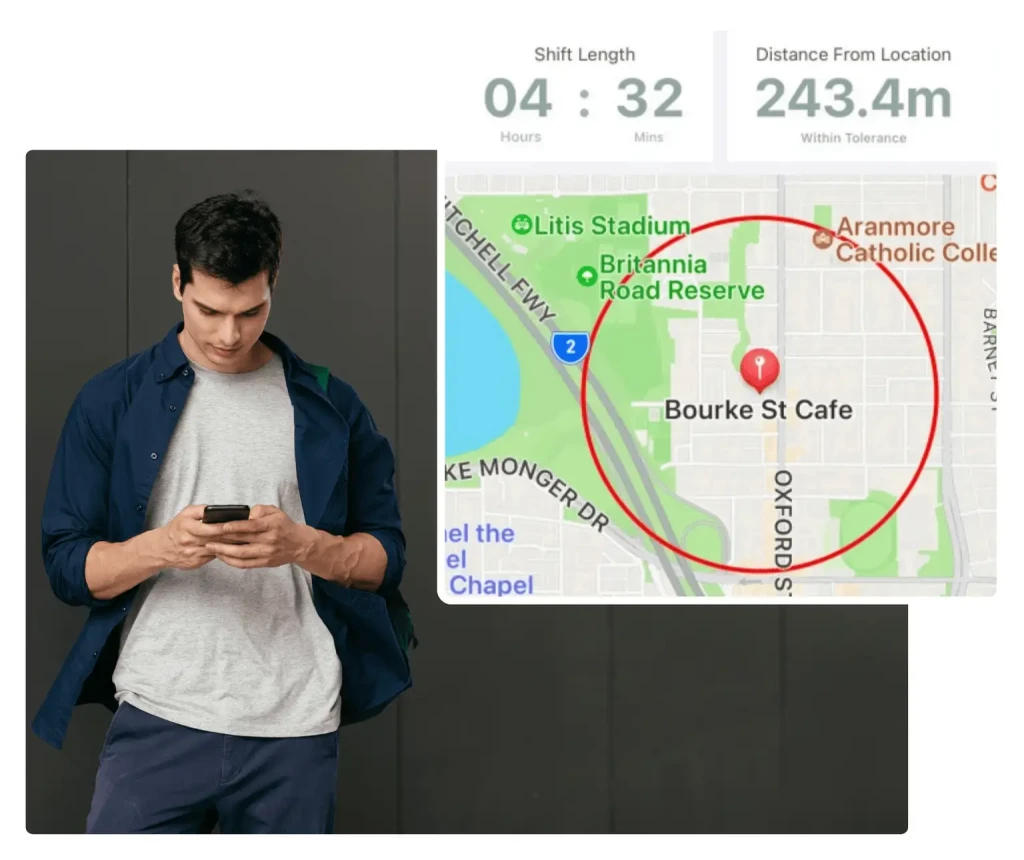
Hospitality doesn't run 9-to-5. Split shifts, overnight trading, off-site events, and casual staff require time tracking built for how venues actually operate.
-
Built for split shifts and overnight trading
-
Accurate penalty rate calculations
-
Works across multiple venues and locations




Why time tracking is critical in hospitality
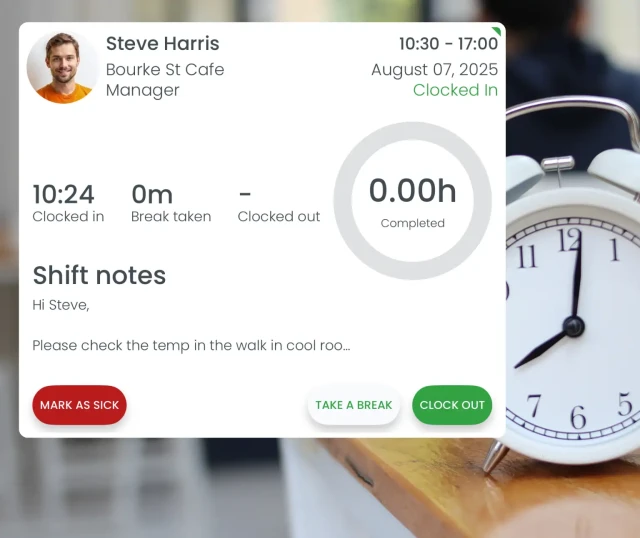
Complex shifts, complex pay — accuracy is non-negotiable
Hospitality pay is rarely straightforward. A single shift might span base rates, evening penalties, and late-night loadings. A split shift creates two separate clock-in records. An off-site catering job happens miles from the venue.
Paper timesheets and manual entry cannot keep up. Errors compound into underpayment claims, overpayment losses, and payroll disputes that damage staff trust and business margins.
Time tracking challenges unique to hospitality
These factors make hospitality time and attendance fundamentally different from office-based tracking.
Overnight shifts
Shifts crossing midnight with different penalty rates before and after 12am.
Split shifts
Staff clock in for lunch, out for the break, back in for dinner — multiple entries per day.
Multiple locations
Catering jobs, events, and multi-venue staff need tracking wherever they work.
Casual workforce
High turnover and irregular shifts mean constant new staff learning the system.
Break compliance
Meal breaks and rest breaks must be taken and recorded for longer shifts.
Penalty rate accuracy
Evening, weekend, and public holiday rates require precise start and end times.
Why hospitality time tracking differs from other industries
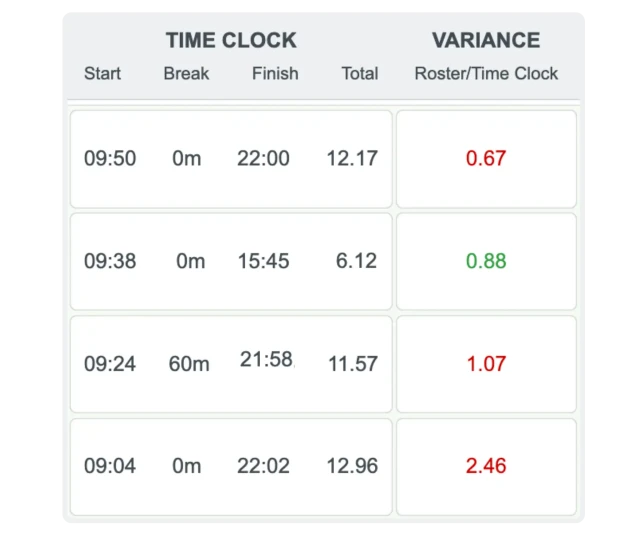
Standard time systems fail in hospitality
Office workers clock in once at 9am and out at 5pm. Hospitality staff might clock in at 7am, out at 11am, back in at 5pm, out at 11pm — all in one day. Standard systems weren't built for this.
Add catering jobs tracked by GPS, kiosk clock-ins at the venue, and managers needing real-time visibility of who's actually on shift, and the requirements become hospitality-specific.
Time tracking across different hospitality venues
Each venue type has distinct time tracking needs shaped by trading hours and shift patterns.
Restaurants & cafes
Split shifts across breakfast, lunch, and dinner. Multiple clock-ins per day per person. Short shifts where every minute of recorded time affects pay accuracy.
Bars, pubs & clubs
Shifts ending at 2am, 3am, or later. Overnight trading crosses midnight with different penalty rates. Accurate end times directly impact pay calculations.
Catering & events
Staff working off-site at venues, functions, and events. Location tracking confirms attendance. Hours need capturing regardless of where the work happens.
Staff clock in wherever they're working
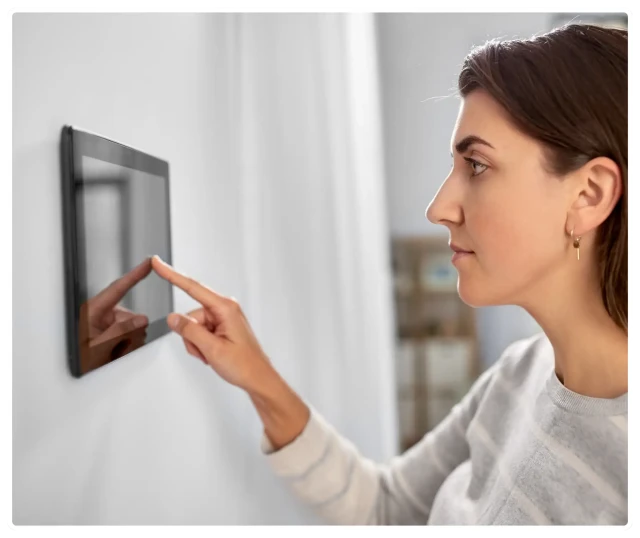
Venue kiosk, mobile app, or GPS — hours get recorded
Hospitality staff don't always start at the same location. A barista clocks in at the cafe, a catering team clocks in at an event venue, a manager clocks in from the office.
Multiple clock-in options mean hours get captured accurately regardless of where staff are working. No lost time, no manual entry, no guesswork.
Know who actually clocked in

Buddy punching stops, accurate records stay
Hospitality venues with large casual teams face buddy punching risk — one person clocking in for another. It inflates labour costs and creates compliance problems.
Photo verification at clock-in confirms identity. Managers see who actually arrived, and records stand up to scrutiny if disputes arise.
Catering and events tracked by location
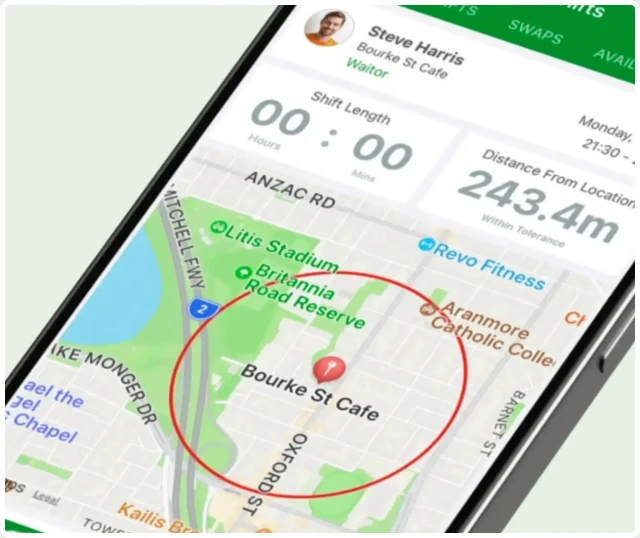
Staff working off-site still get accurate records
Catering teams, event staff, and multi-venue workers don't always clock in at a fixed location. Without location awareness, there's no confirmation they were actually on-site.
GPS and geofencing verify location at clock-in. Hours recorded off-site carry the same accuracy as venue-based tracking.
See who's on shift right now
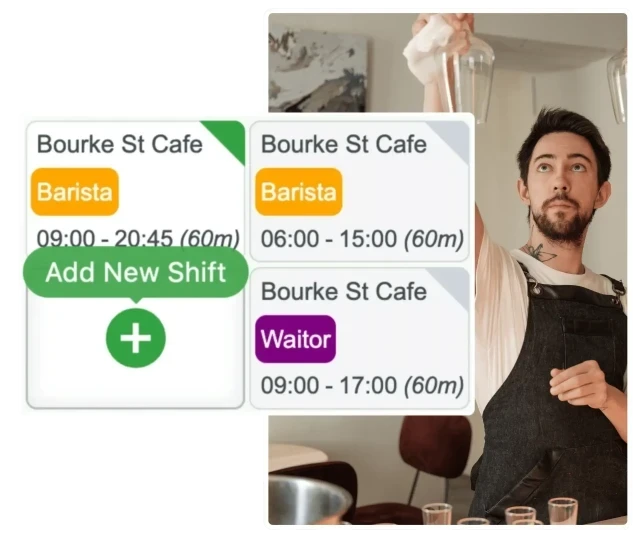
Managers know coverage without checking the floor
During busy service, managers need to know who's actually working — not who was rostered. Late arrivals, early departures, and no-shows affect service quality.
Live attendance shows real-time status. Gaps become visible immediately, not after the shift when it's too late to respond.
How time tracking connects to hospitality payroll

Hours recorded flow through to pay calculations
Every clock-in and clock-out becomes a timesheet entry. Every timesheet entry feeds into payroll. Inaccuracy at the start compounds into payment errors at the end.
When time tracking captures the right hours with the right timestamps, penalty rates calculate correctly, timesheets need less correction, and payroll runs faster. Explore RosterElf's time and attendance to see how these pieces connect.
Compliance and awards in hospitality time tracking
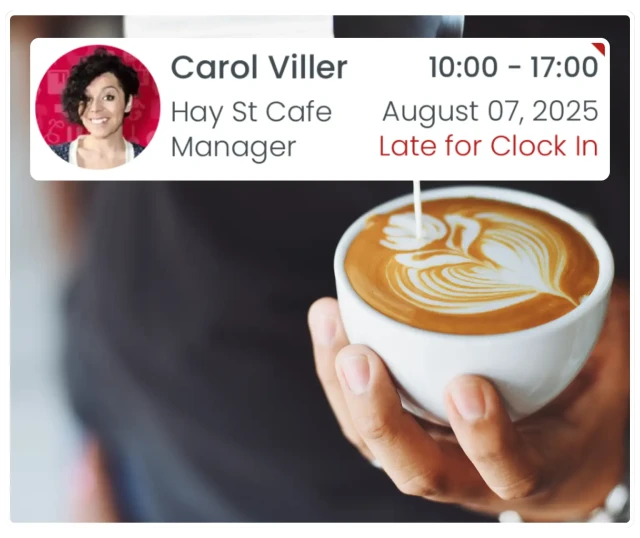
Accurate time records protect against underpayment
The Hospitality Industry Award requires precise penalty rate calculations based on when hours were worked. Evening rates, weekend rates, public holiday rates — all depend on accurate timestamps.
Time records also provide evidence during Fair Work disputes. Businesses with poor records face higher risk and penalty exposure. See the hospitality award rates guide for detailed compliance information.
Why hospitality businesses use industry-specific time tracking
Accurate time capture delivers measurable operational improvements.
Payroll-ready timesheets
Hours flow directly to payroll with penalty rates already applied.
Dispute protection
Accurate records with timestamps protect against underpayment claims.
Labour cost accuracy
Actual hours worked match what gets paid — no surprises after payroll.
Faster payroll processing
Less manual timesheet checking and correction before each pay run.
Explore hospitality workforce solutions
Time tracking is one part of managing a hospitality workforce. Explore related solutions built for the industry.
More from Hospitality
See how hospitality time tracking works in practice
Book a hospitality-focused demo or start a free trial built for restaurants, cafes and venues.
Real support from people who understand your business
At RosterElf, support isn't a ticket system — it's part of the product. Our Australian-based team helps you set up correctly, understand award rules, and stay compliant as your business changes. No scripts. No offshore handoffs. Just real help when you need it.
-
Guided setup and onboarding
-
Award and payroll questions answered
-
Ongoing help as your team grows

 5.0 average rating
 Rated 5.0 by Australian businesses
Hospitality time tracking questions
- Hospitality shifts cross midnight, split across service periods, and happen at multiple locations including off-site catering and events. Casual staff clock in and out frequently, and penalty rates change throughout the shift based on time of day.
- Shifts that start before midnight and finish after require accurate tracking across the date change. Penalty rates often differ before and after midnight, making precise time capture essential for correct pay calculations.
- Short shifts, split shifts, and high staff turnover mean constant clock-ins and clock-outs. Break compliance matters for longer shifts, and accurate records protect both the business and staff during disputes.
- Late-night venues deal with shifts ending at 2am, 3am, or later. Penalty rates accumulate throughout the night, and accurate time records ensure staff receive correct pay for every hour worked.
- Hospitality awards have complex penalty structures based on time of day, day of week, and public holidays. Inaccurate time records lead to underpayment claims, overpayment losses, and compliance risk.