
Hospitality HR software for high-turnover venues
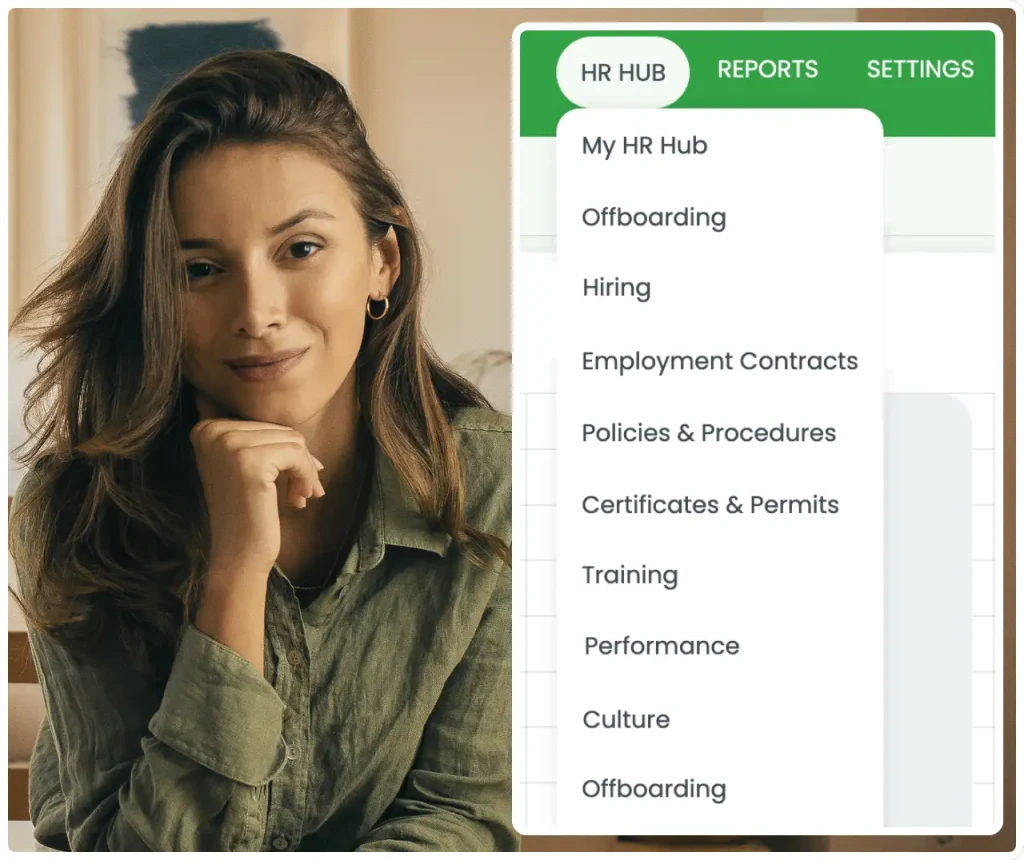
Hospitality HR isn't like office HR. High turnover, casual workforces, RSA requirements, and constant onboarding require HR software built for how venues actually operate.
-
Built for high turnover and casual teams
-
Track RSA, food safety, and certifications
-
Digital onboarding and contracts




Why hospitality HR is uniquely demanding

High turnover creates constant HR workload
Hospitality has some of the highest staff turnover of any industry. Casual workers come and go, students work between semesters, and career hospitality staff move between venues. Every departure and arrival creates HR work.
Add certification requirements like RSA and food safety, policy acknowledgements for WHS and uniform standards, and the need for proper employment contracts even for casual staff — the HR workload never stops.
HR challenges unique to hospitality
These factors combine to make hospitality HR fundamentally different from other industries.
High turnover
Constant hiring and offboarding as casual staff come and go.
Frequent onboarding
New starters every week requiring contracts, policies, and training.
Certification tracking
RSA, food safety, and first aid certificates with different expiry dates.
Casual contracts
Proper employment documentation for casual and part-time workers.
Policy compliance
WHS, uniform, and conduct policies acknowledged by rotating staff.
Time-poor managers
Venue managers juggling operations with limited time for HR admin.
Why hospitality HR differs from other industries

Standard HR systems fail in hospitality
Corporate HR systems assume stable workforces with low turnover. Hospitality venues might onboard several new staff every week and farewell others. The volume overwhelms traditional processes.
Certification requirements add another layer. RSA, food safety, first aid — each with different expiry periods and renewal processes. Missing an expiry creates compliance risk and potential fines.
HR across different hospitality venues
Each venue type faces distinct HR challenges shaped by certification requirements and workforce composition.
Restaurants & cafes
Food safety certificates for all food handlers. High casual ratios with constant onboarding. WHS policies for kitchen safety and manual handling. Uniform policies requiring acknowledgement.
Bars, pubs & clubs
RSA/RSG certificates mandatory for all staff serving alcohol. Large casual pools with high turnover. Security and crowd management policies. Late-night venue specific requirements.
Quick service & franchises
Junior-heavy workforces with specific documentation requirements. Standardised onboarding across multiple locations. Brand-specific training policies. Food safety compliance at scale.
New staff ready before their first shift
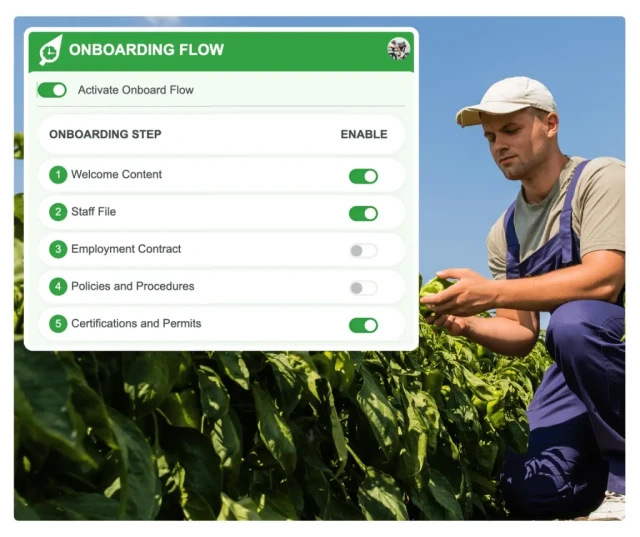
Paperwork completed online, not on the floor
Hospitality managers don't have time to sit with every new starter completing paperwork. Forms get lost, information gets missed, and first shifts start chaotically.
Digital onboarding sends new hires a link to complete everything before they arrive — personal details, tax declarations, super choice, emergency contacts. They start ready to work.
Contracts signed digitally, stored securely
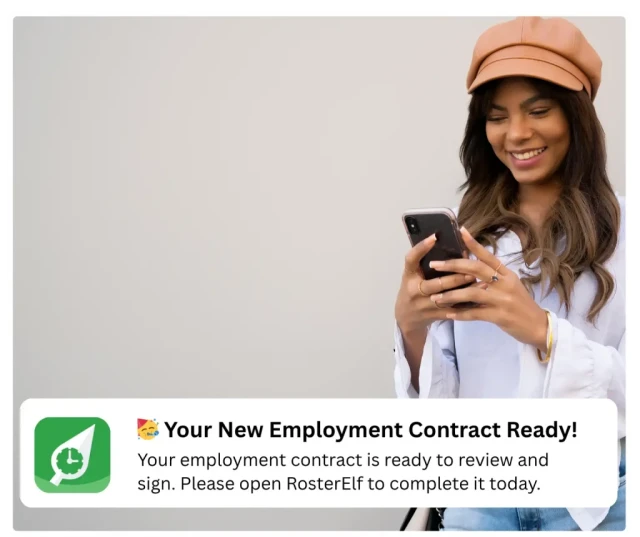
Proper documentation for every hire
Every employee needs a proper employment contract — casual, part-time, or full-time. Paper contracts get lost, signatures get missed, and compliance gaps appear.
Digital contracts are created from templates, sent for electronic signature, and stored securely. Complete records for every employee, accessible whenever needed.
RSA and food safety certificates tracked automatically
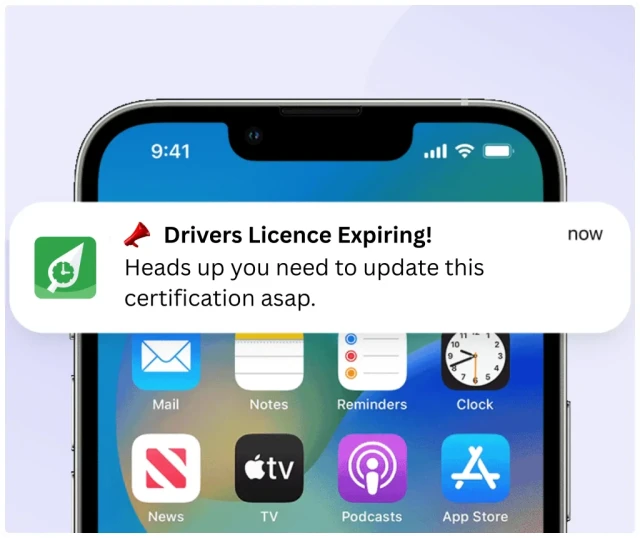
Expiry alerts before certificates lapse
RSA certificates expire. Food safety certificates expire. First aid certificates expire. With large casual teams, tracking every expiry date manually is impossible.
Certification tracking stores all licences centrally with expiry dates. Automatic reminders alert staff and managers before certificates lapse. Roster warnings prevent scheduling unqualified staff.
Policies acknowledged by every staff member
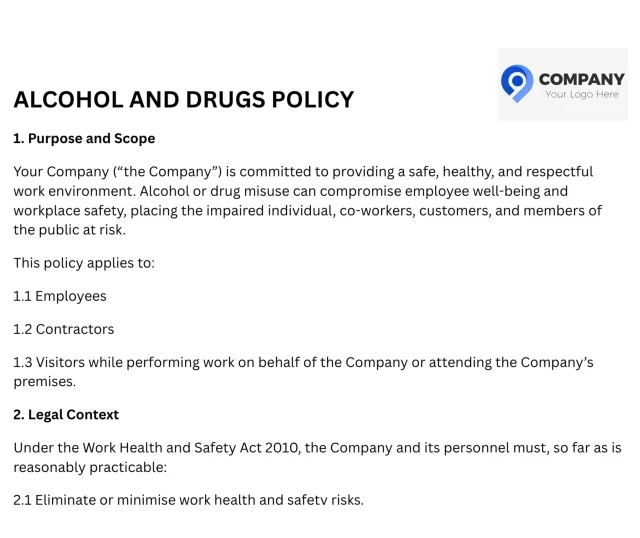
WHS, uniform, and conduct policies tracked
Hospitality venues need staff to acknowledge WHS policies, uniform standards, code of conduct, and more. With rotating casual teams, tracking who has read what becomes chaotic.
Policy management distributes policies digitally and tracks acknowledgements. See who has and hasn't completed required readings. Updated policies trigger re-acknowledgement automatically.
How HR connects to hospitality operations

HR data flows through to rostering and payroll
Employee data entered during onboarding flows through to rostering and payroll. Certification status affects who can be scheduled for which roles. Leave requests block roster availability automatically.
When onboarding, certification tracking, and leave management connect to rostering, everything stays in sync. Explore RosterElf's HR software to see how these pieces work together.
Compliance and Fair Work in hospitality HR
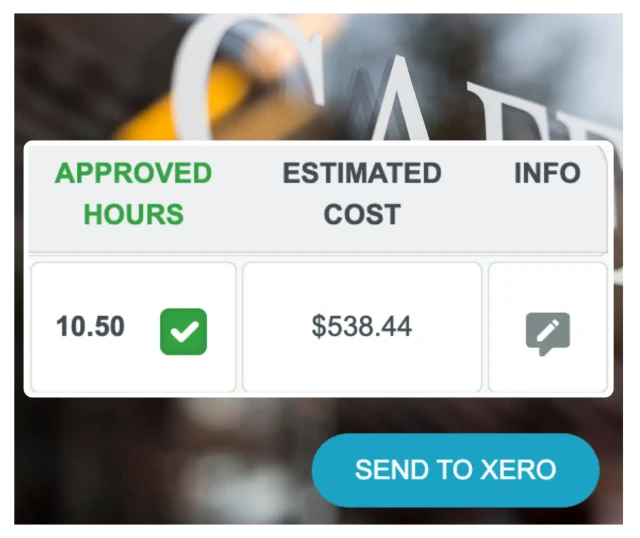
Proper records protect your business
Fair Work requires businesses to keep employee records for 7 years. Employment contracts, policy acknowledgements, and certification records all form part of compliance documentation.
HR records also provide evidence during disputes or audits. Businesses with poor documentation face higher risk and penalty exposure. See the hospitality award rates guide for detailed compliance information.
Why hospitality businesses use industry-specific HR software
HR software built for hospitality delivers measurable operational improvements.
Faster onboarding
New staff complete paperwork digitally before their <a href="/glossary/employee-first-day">first shift</a>.
Certification compliance
Expiry alerts prevent unqualified staff from being rostered.
Reduced admin time
Digital contracts and policies eliminate manual paperwork.
Audit-ready records
Complete documentation for Fair Work and WorkSafe inspections.
Explore hospitality workforce solutions
HR software is one part of managing a hospitality workforce. Explore related solutions built for the industry.
More from Hospitality
See how hospitality HR software works in practice
Book a hospitality-focused demo or start a free trial built for restaurants, cafes and venues.
Real support from people who understand your business
At RosterElf, support isn't a ticket system — it's part of the product. Our Australian-based team helps you set up correctly, understand award rules, and stay compliant as your business changes. No scripts. No offshore handoffs. Just real help when you need it.
-
Guided setup and onboarding
-
Award and payroll questions answered
-
Ongoing help as your team grows

 5.0 average rating
 Rated 5.0 by Australian businesses
Hospitality HR questions
- Hospitality has exceptionally high staff turnover, large casual workforces, and strict certification requirements like RSA and food safety. Onboarding happens constantly, and compliance documentation needs managing across many part-time and casual workers.
- Restaurants and cafes deal with constant hiring due to turnover, casual contracts requiring proper documentation, food safety certificates that expire, and policy acknowledgements for WHS and uniform standards across rotating staff.
- RSA certificates are mandatory for anyone serving alcohol. Tracking expiry dates across large casual pools, ensuring renewals happen before certificates lapse, and preventing unqualified staff from being rostered are ongoing challenges.
- Common requirements include RSA/RSG for alcohol service, food safety certificates for food handling, first aid for supervisors, and working with children checks for some venues. Each has different expiry periods and renewal processes.
- High turnover means constant onboarding of new staff, regular contract generation, repeated policy acknowledgements, and continuous certification tracking. Manual HR processes cannot keep pace with this volume.