
Hospitality analytics for margin-conscious venues
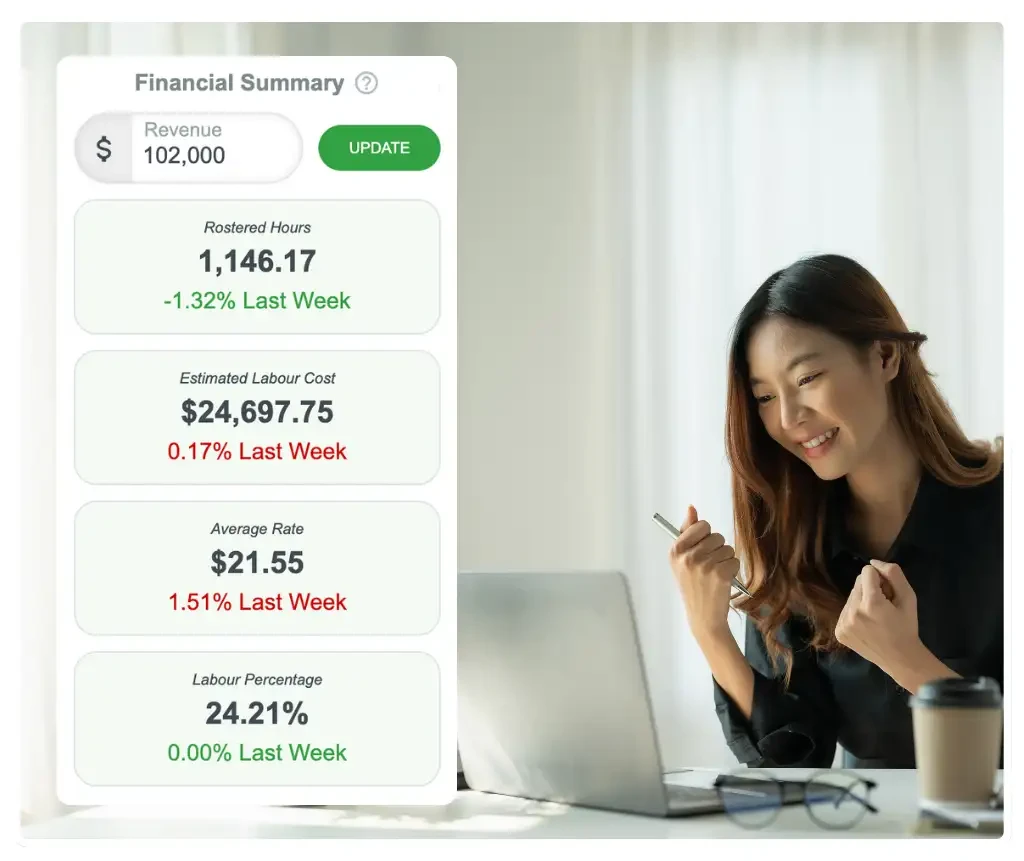
Hospitality margins don't forgive labour cost blowouts. Real-time analytics help venues track spend, spot patterns, and make informed decisions before problems compound.
-
Track labour costs as a percentage of revenue
-
Compare rostered versus actual hours
-
Identify overtime and attendance patterns




Why hospitality needs real-time analytics

Margins are too thin to wait for end-of-month reports
Hospitality businesses operate on margins where a few percentage points of labour cost overrun can eliminate profit entirely. By the time monthly reports arrive, the damage is done.
Variable demand, penalty rate complexity, and large casual workforces create cost patterns that are difficult to predict and easy to miss. Real-time visibility is the difference between control and surprise.
Analytics challenges unique to hospitality
These factors combine to make hospitality analytics fundamentally different from other industries.
Tight margins
Single-digit profit margins mean labour cost overruns directly impact profitability.
Variable demand
Daily demand swings make it hard to know if staffing levels were right until it's too late.
Penalty rate complexity
Evening, weekend, and holiday penalties create cost spikes that are hard to predict.
Casual workforce
High turnover and variable hours make tracking individual performance patterns difficult.
Multi-venue comparison
Comparing labour performance across locations requires consistent data collection.
Overtime creep
Unplanned overtime accumulates silently until payroll reveals the damage.
Why hospitality analytics differs from other industries
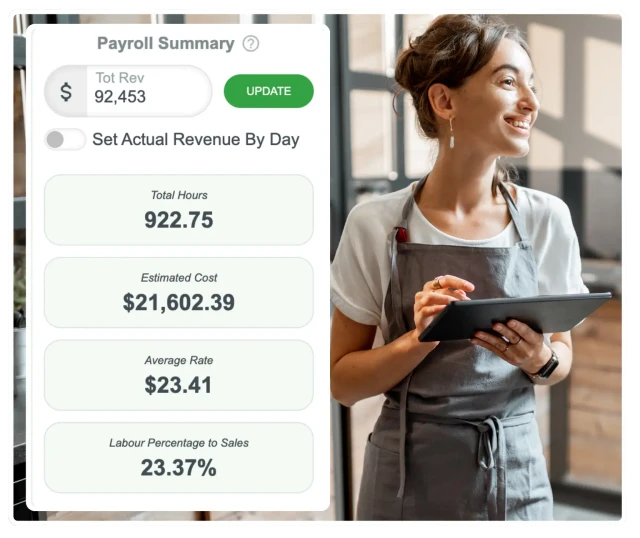
Generic dashboards miss hospitality-specific metrics
Office businesses track headcount and salary spend. Hospitality tracks hours worked against covers served, labour cost as a percentage of revenue, and penalty rate impact on specific shifts.
Split shifts, overnight trading, and weekend-heavy operations create data patterns that standard reporting tools weren't designed to capture or analyse effectively.
Analytics across different hospitality venues
Each venue type faces distinct analytics challenges shaped by trading patterns and cost structures.
Restaurants & cafes
Track labour cost per cover. Compare service periods to identify overstaffing. Monitor split shift patterns and break compliance across breakfast, lunch, and dinner services.
Bars, pubs & clubs
Weekend penalty rate impact on margins. Late-night overtime patterns. Casual staff utilisation across peak and quiet periods. Event night labour cost analysis.
Quick service & franchises
Cross-venue labour cost comparison. Junior versus adult wage mix optimisation. Consistent reporting across locations for franchisee benchmarking.
See labour costs before they become problems
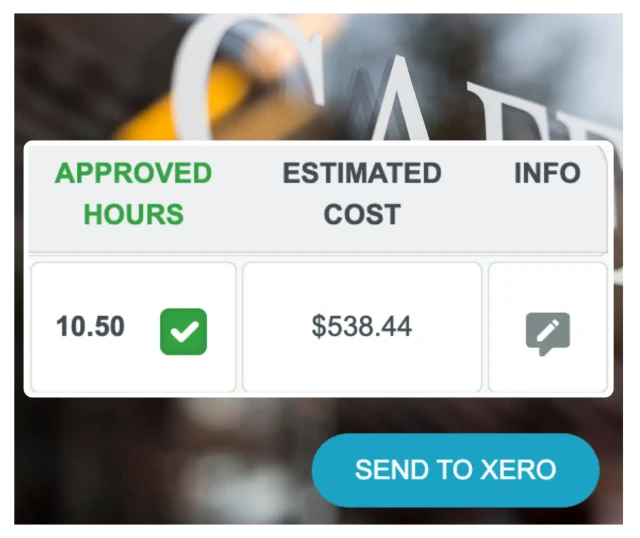
Live visibility as rosters are built and worked
Waiting until payroll to see labour costs means problems are already in the past. Overstaffed shifts have already happened, overtime has already accumulated.
Labour cost reports show spend in real time — as rosters are built and as staff clock in. See rostered versus actual costs by day, role, and venue.
Track attendance before issues compound
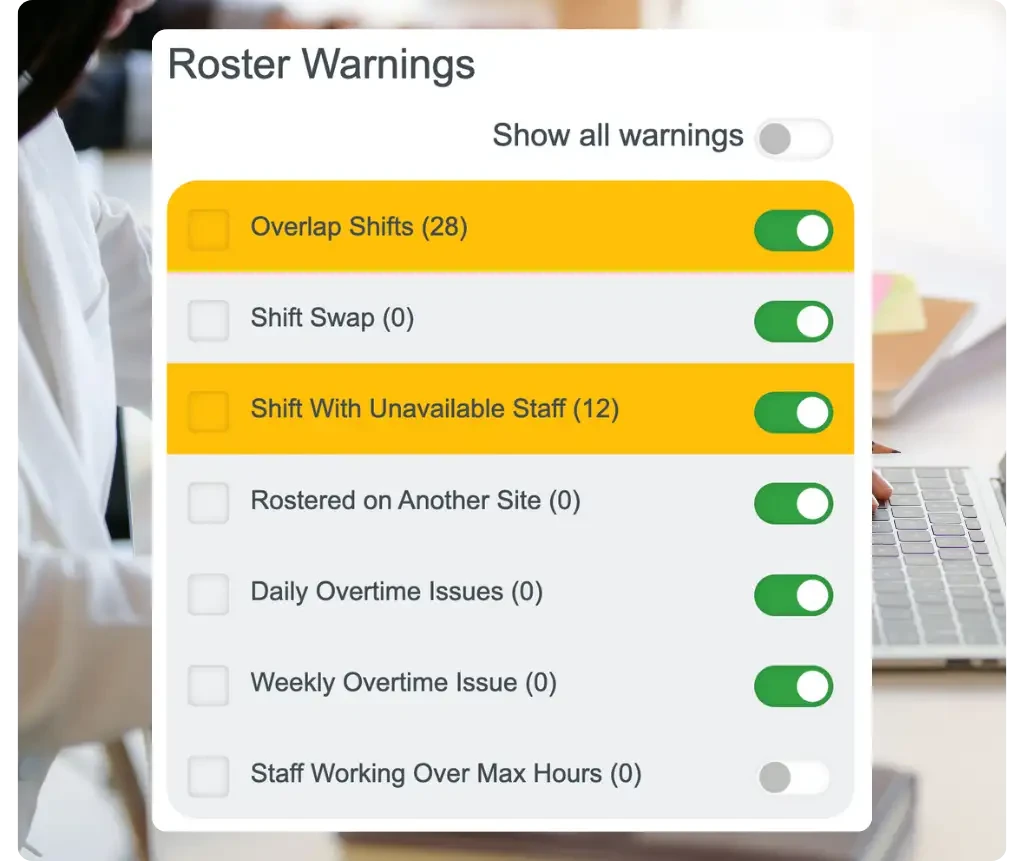
Late arrivals, overtime, and no-shows visible at a glance
One late arrival is an incident. Three late arrivals are a pattern. Without tracking, patterns go unnoticed until they affect service quality or team morale.
Attendance reports surface patterns by employee, role, and shift type. Identify chronic issues and address them before they become accepted behaviour.
Improve rosters with historical data
Learn from what worked and what didn't
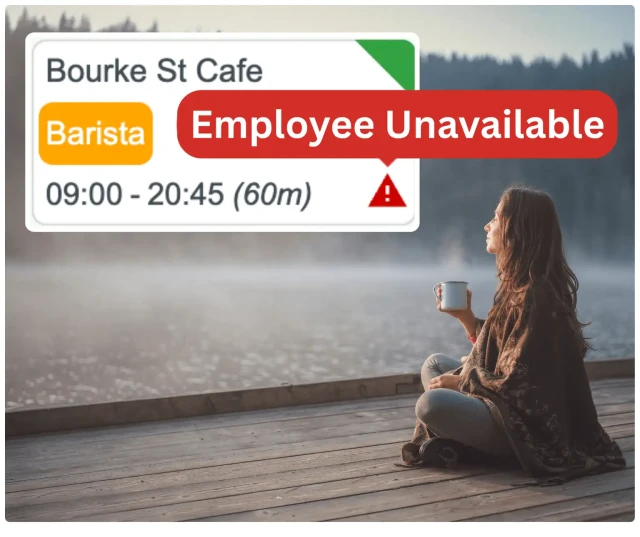
Building rosters without historical data means repeating the same mistakes. Overstaffed Tuesdays, understaffed Saturday nights, and coverage gaps that keep recurring.
Rostering reports show patterns in availability, coverage, and actual hours worked. Use historical data to build more accurate rosters for similar periods.
Complete workforce visibility in one dashboard
Everything you need to know, updated in real time
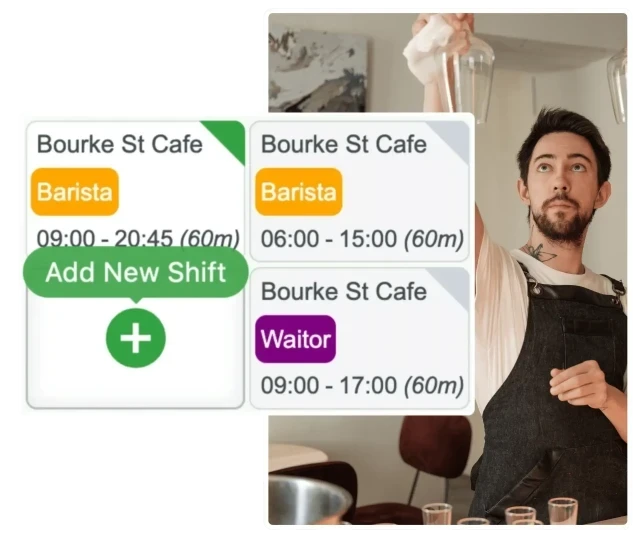
Hospitality managers don't have time to pull reports from multiple systems. They need a single view that shows what matters right now — who's working, what it costs, and what needs attention.
Workforce analytics brings rostering, attendance, and cost data together in one dashboard. See today's metrics and drill into details when needed.
How analytics connects to hospitality operations

Insights that flow into action
Analytics are only valuable if they lead to better decisions. Labour cost data should influence rostering. Attendance patterns should trigger conversations. Variance reports should improve forecasting.
When analytics connect to rostering, time tracking, and payroll, insights become action. Explore RosterElf's analytics to see how these pieces work together.
Compliance visibility through analytics
Records that support Fair Work requirements
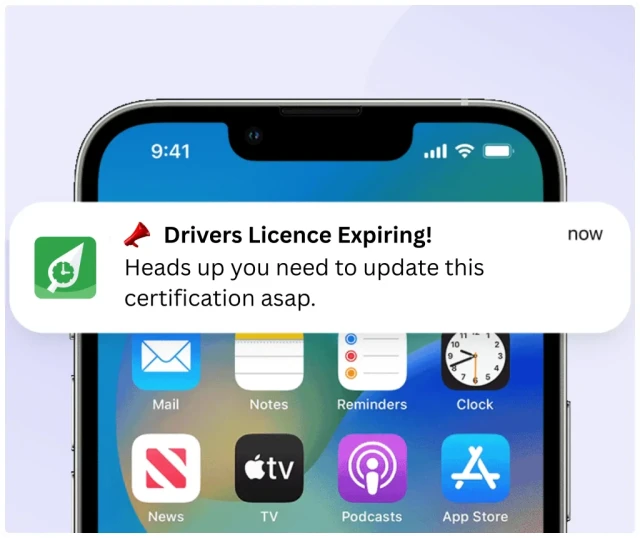
Fair Work audits require detailed records of hours worked, breaks taken, and rates paid. Assembling this information from scattered systems is time-consuming and error-prone.
Analytics dashboards surface compliance data alongside operational metrics. See overtime patterns, break compliance, and certification status in reports designed for hospitality. See the hospitality award rates guide for detailed compliance information.
Why hospitality businesses use industry-specific analytics
Analytics built for hospitality delivers measurable operational improvements.
Real-time visibility
See labour costs as rosters are built, not after payroll runs.
Cost control
Identify overstaffing patterns and reduce unnecessary labour spend.
Better forecasting
Historical data improves rostering accuracy for similar periods.
Accountability
Track attendance patterns and address issues before they compound.
Explore hospitality workforce solutions
Analytics is one part of managing a hospitality workforce. Explore related solutions built for the industry.
More from Hospitality
See how hospitality analytics works in practice
Book a hospitality-focused demo or start a free trial built for restaurants, cafes and venues.
Real support from people who understand your business
At RosterElf, support isn't a ticket system — it's part of the product. Our Australian-based team helps you set up correctly, understand award rules, and stay compliant as your business changes. No scripts. No offshore handoffs. Just real help when you need it.
-
Guided setup and onboarding
-
Award and payroll questions answered
-
Ongoing help as your team grows

 5.0 average rating
 Rated 5.0 by Australian businesses
Hospitality analytics questions
- Hospitality operates on razor-thin margins where labour costs as a percentage of revenue is a critical metric. Split shifts, penalty rates, and variable demand create complexity that generic analytics tools miss.
- Real-time labour cost tracking shows rostered versus actual spend. Comparing costs across shifts, days, and venues identifies where overstaffing occurs and where savings can be made without affecting service.
- Late arrivals affect service readiness. Early clock-outs leave shifts understaffed. Overtime accumulation increases costs. Hospitality analytics track these patterns by employee, role, and venue.
- Variance reports compare what was rostered against what was actually worked. This identifies chronic early starters, overtime patterns, and whether rosters accurately predict labour needs.
- Multi-venue hospitality businesses need to compare performance across locations. Labour cost percentages, overtime rates, and attendance patterns vary by site and require individual attention.