
Employee rostering best practices (Australia)
Practical, Australian-focused guidance for SME owners and managers on building fair, compliant and efficient staff rosters.
No signup required • PDF format
76%
say fatigue impacts work
59%
report workplace exhaustion
6
best practices covered
SMEs
practical focus
Six rostering insights for Australian employers
Our review of Australian workforce research and employer guidance highlights these key rostering insights.
Rosters shape wellbeing
Unpredictable rosters contribute to fatigue, stress and disengagement
Compliance starts with rosters
Shift timing directly affects penalties, overtime and break rules
Fairness reduces turnover
Perceived roster fairness strongly influences retention
Planning reduces costs
Advance rosters reduce overtime and last-minute premiums
Change creates risk
Frequent roster changes increase errors and disputes
Visibility improves accountability
Clear roster ownership improves consistency and outcomes
What you'll learn
This 16-page guide covers everything Australian SMEs need to know about building effective rosters, from planning ahead to managing change.
- Why rostering matters for Australian SMEs
- Six best practices for effective rostering
- How to balance availability with business needs
- Compliance-aware rostering principles
- Managing roster changes professionally
- Building visibility and accountability
The full guide: employee rostering best practices
Employee rostering sits at the centre of many small business challenges in Australia. Poorly planned rosters contribute to staff dissatisfaction, fatigue, compliance breaches and rising labour costs. Well-designed rosters support productivity, safety and employee retention.
Executive summary
Australian businesses face increasing pressure to balance operational flexibility with employee wellbeing and regulatory obligations. Changing workforce expectations, labour shortages and heightened compliance scrutiny mean rostering decisions now carry greater consequences than before.
This guide outlines best-practice rostering principles for Australian SMEs, focusing on practical approaches that create fair, predictable rosters while meeting operational needs and compliance requirements.
Why rostering matters
Rostering is more than assigning shifts. It determines:
Labour costs
Employee fatigue levels
Compliance with awards and agreements
Staff satisfaction and retention
Poor rostering practices often lead to
Excess overtime, missed breaks, fatigue-related errors, increased absenteeism and disputes over fairness. Our rostering software flags these before a roster is published.
For Australian SMEs, rostering is both an operational and a compliance function. Getting it right matters.
Plan rosters in advance
Publishing rosters in advance provides certainty for both employers and employees. Benefits include:
Reduced last-minute changes
Better staff availability planning
Improved work-life balance
Lower risk of compliance breaches
Australian guidance
Australian guidance consistently recommends providing as much notice as practicable when publishing rosters.
Planning ahead is the foundation of effective rostering. It sets the tone for everything else.
Capture availability and preferences
Effective rosters account for employee availability and preferences wherever possible. Ignoring availability leads to:
Higher shift refusals
Staff unable or unwilling to work assigned shifts.
Increased absenteeism
More no-shows and late cancellations.
Staff frustration
Reduced engagement and morale.
Balance is key
While business needs come first, incorporating availability improves engagement and roster acceptance.
Capturing and considering availability is not about giving staff everything they want — it is about making informed rostering decisions.
Build rosters with compliance in mind
Rostering decisions directly affect penalty rates, overtime triggers, break entitlements and rest period compliance.
A shift that starts at 5:59am rather than 6:00am
may trigger different penalty rates under some awards.
A shift that runs 8.5 hours rather than 8
may trigger overtime.
Small changes matter
Small changes in start or finish times can significantly alter pay obligations. Compliance-aware rostering reduces underpayment risk before payroll even begins.
Compliance starts at the roster, not in payroll. Design schedules with award rules in mind from the beginning.
Maintain fairness and consistency
Perceived fairness matters as much as actual fairness. Issues arise when:
The same staff receive undesirable shifts
Hours are unevenly distributed
Changes appear arbitrary
The result
Consistent rostering practices reduce resentment, complaints and turnover.
Apply the same rostering principles to everyone. Transparency builds trust.
Manage roster changes carefully
Last-minute changes are sometimes unavoidable — but how they are handled matters. Best practice includes:
Minimising changes where possible
Communicating clearly and early
Documenting changes
Applying changes consistently
Poorly managed changes increase fatigue, disputes and payroll errors.
When changes are necessary, handle them professionally. How you make changes matters as much as what you change.
Clear ownership and visibility
Effective rostering requires:
Clear responsibility for roster creation
Visibility of worked versus planned hours
Accountability for changes
When rosters lack ownership
Errors multiply and issues go unresolved, because nobody takes responsibility.
Clear ownership creates accountability. Visibility enables monitoring. Together they drive better outcomes.
Practical actions Australian SMEs are taking
High-performing Australian SMEs focus on:
Publishing rosters earlier
Reducing uncertainty and reactive changes.
Standardising rostering rules
Applying consistent principles across teams.
Monitoring patterns over time
Identifying fatigue and cost risks early.
Documenting decisions
Creating transparency and accountability.
Start small and build consistency
You don't need to transform your rostering overnight. Pick one area to improve and build from there.
12-month outlook: what to expect
Over the next year, Australian SMEs can expect:
Higher employee expectations
Staff increasingly expect roster predictability as a baseline, not a bonus.
Greater audit scrutiny
Rostering practices are increasingly examined during compliance audits.
Focus on fatigue and wellbeing
Regulators and employees alike are paying more attention to fatigue risk.
Stronger compliance links
The connection between rosters and compliance outcomes is becoming clearer.
Rostering will increasingly be viewed as a strategic workforce discipline, not just an administrative task.
Final thoughts
Good rostering balances business needs with human sustainability. Rosters are not just schedules — they are one of the most powerful management tools available.
Australian SMEs that invest in consistent, fair and compliant rostering practices reduce risk, control costs and build stronger teams.
Research and regulatory guidance
This guide draws on Australian research and guidance including:
Fair Work Ombudsman
Workplace compliance and employer guidance
Fair Work Commission
Modern awards and rostering requirements
Safe Work Australia
Fatigue management and WHS guidance
Australian Bureau of Statistics
Employment and workforce data
Australian Institute of Health and Welfare
Workforce wellbeing statistics
Always refer to official sources for current requirements. This guide provides general information only and does not constitute legal advice.
Is this guide right for you?
SME owners
Business owners who want to build better rosters and reduce staff-related issues.
Operations managers
Managers responsible for creating rosters and managing shift-based teams.
HR professionals
HR staff who want to improve rostering practices and reduce workforce friction.
Get your free guide today
Actionable guidance to help you build fair, compliant and efficient rosters.
Download free e-guideMore free resources
Fatigue & wellbeing trends
Free e-guide on shift patterns and workforce fatigue in Australia.
Download e-guideShift work trends
Free e-guide on shift work trends and workforce expectations in Australia.
Download e-guideFree HR templates
Downloadable policies, forms, and templates for Australian workplaces.
Browse templatesRosterElf's rostering software helps Australian businesses build fair, compliant rosters that reduce fatigue and turnover. Our HR software centralises employee records and availability data, while our workforce management platform includes shift planning and real-time roster notifications built for compliance.




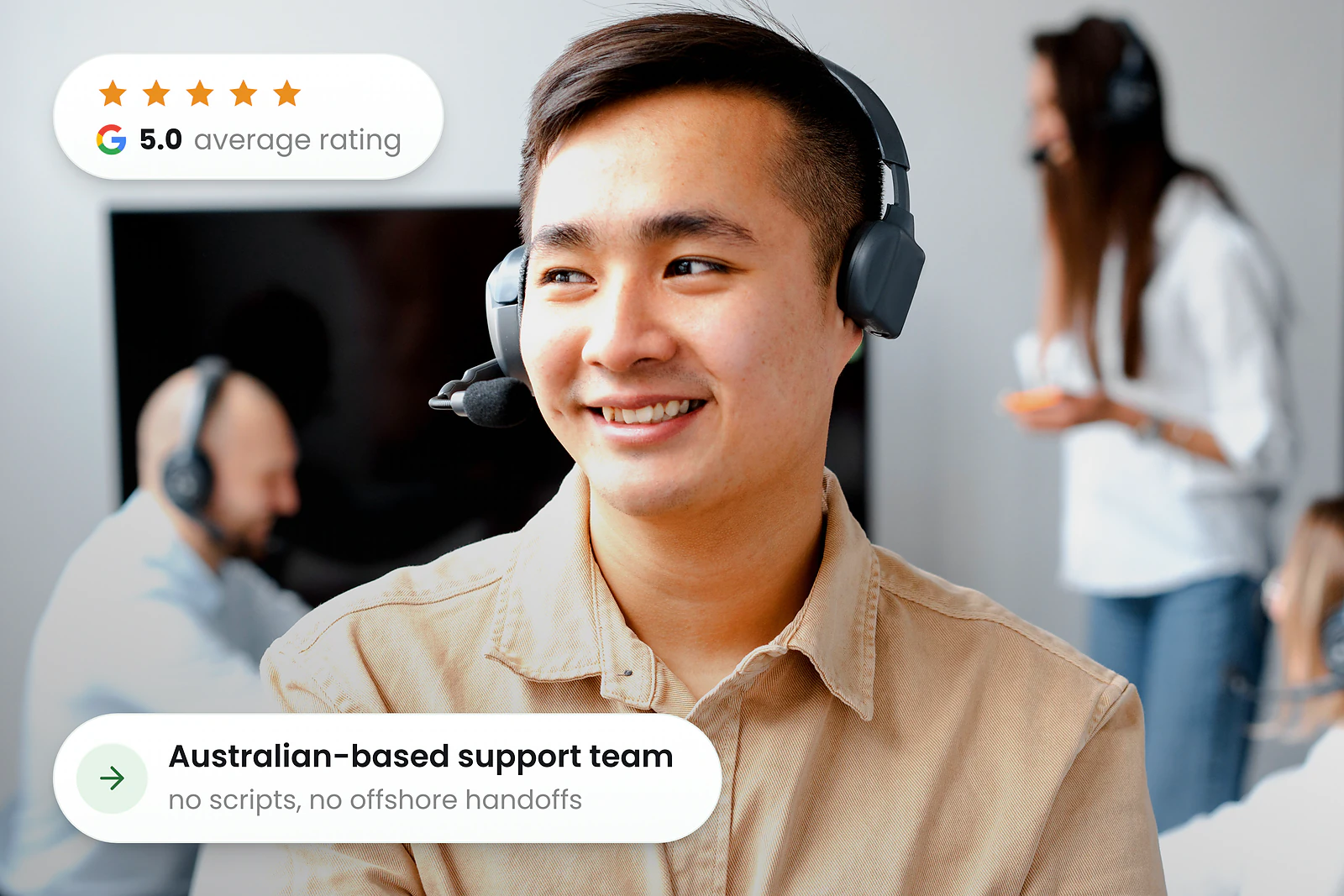
Real support from people who understand your business
At RosterElf, support isn't a ticket system — it's part of the product. Our Australian-based team helps you set up correctly, understand award rules, and stay compliant as your business changes. No scripts. No offshore handoffs. Just real help when you need it.
-
Guided setup and onboarding
-
Award and payroll questions answered
-
Ongoing help as your team grows
Frequently asked questions
- This 16-page guide covers employee rostering best practices for Australian small businesses, including planning ahead, capturing availability, compliance-aware rostering, fairness, managing changes, and building visibility and accountability.
- The guide is designed for Australian SME owners, managers, and operations staff who create and manage employee rosters. It is particularly relevant for businesses in hospitality, retail, healthcare, and other shift-based industries.
- Yes, the guide is completely free. No signup or email address is required. Simply click the download button to get instant access to the PDF.