

To plan workforce capacity from your rosters, analyse your historical rostering data to find demand patterns, then track a handful of metrics — labour cost as a percentage of revenue, hours worked versus budgeted, overtime frequency, shift fill rate, staff utilisation, and absence patterns — and plan across three horizons: short-term scheduling (1-4 weeks), medium-term recruitment (1-6 months), and long-term strategy (1-3 years). The goal is to align labour supply with demand so you are neither overstaffed (wasting money) nor understaffed (losing revenue and burning out your team).
Most businesses treat rostering as a weekly operational chore — filling shifts for the coming week without stepping back to see the bigger picture. But your roster is a rich record of how you have allocated your workforce over time, and when you read it as data it reveals capacity, efficiency gaps, and future staffing needs. This guide shows how to turn employee rostering into a strategic planning tool: the metrics to track, how to read your rostering patterns, and practical capacity strategies for Australian businesses of every size. Modern time and attendance systems collect this data automatically, giving small operators the same insight large enterprises once needed dedicated analytics teams for. For the annual, calendar-driven version of this exercise, see our companion guide on planning workforce capacity for the new year.
Quick summary
- Read your roster as data:
Historical rosters reveal demand patterns, efficiency gaps, and future staffing needs
- Track the right metrics:
Labour cost percentage, overtime frequency, shift fill rate, and utilisation
- Plan on three horizons:
Short-term scheduling, medium-term recruitment, and long-term workforce strategy
- Balance cost and cover:
Match staffing to demand so you avoid both overstaffing and understaffing
Understanding workforce capacity planning
Workforce capacity planning answers a fundamental business question: do we have the right people, with the right skills, available at the right times? It is the process of aligning your workforce supply with anticipated demand, ensuring you are neither overstaffed (wasting money) nor understaffed (losing revenue and burning out employees).
At the roster level, capacity planning is less about a once-a-year forecast and more about continuously reading the signals in your everyday scheduling. Every published roster, clock-in, swap, and absence adds to a data set that — read correctly — tells you exactly where your capacity is tight, where it is slack, and where it is about to break.
The three horizons of capacity planning
Effective capacity planning operates across different time frames, each requiring different data and approaches:
Short-term (1-4 weeks)
Immediate scheduling decisions based on confirmed demand, staff availability, and leave requests. This is where most businesses focus, but it is just one piece of the puzzle. Short-term planning keeps daily operations running smoothly.
Medium-term (1-6 months)
Seasonal planning, recruitment timelines, and training schedules. This horizon uses historical rostering data to predict upcoming demand periods so you have adequate staff before you need them. Recruitment takes time — planning ahead prevents panic hiring.
Long-term (1-3 years)
Strategic workforce development aligned with business growth plans, including succession planning, skill development, and workforce structure. If you plan to open new locations or expand services, long-term planning ensures you have the workforce to support that growth.
Why rostering data matters for capacity planning
Your roster is not just a schedule — it is a record of how you have allocated your workforce over time, and that history reveals the patterns that inform future decisions. Analysing past rosters shows you when you are consistently understaffed or overstaffed, which employees have capacity for more hours, where skill gaps create scheduling constraints, and how demand fluctuates across days, weeks, and seasons. Without this data, capacity planning is guesswork. With it, you make evidence-based decisions that improve efficiency and reduce costs. Getting the balance right also shapes your casual versus permanent rostering mix — the ratio that most directly drives your weekend penalty costs.
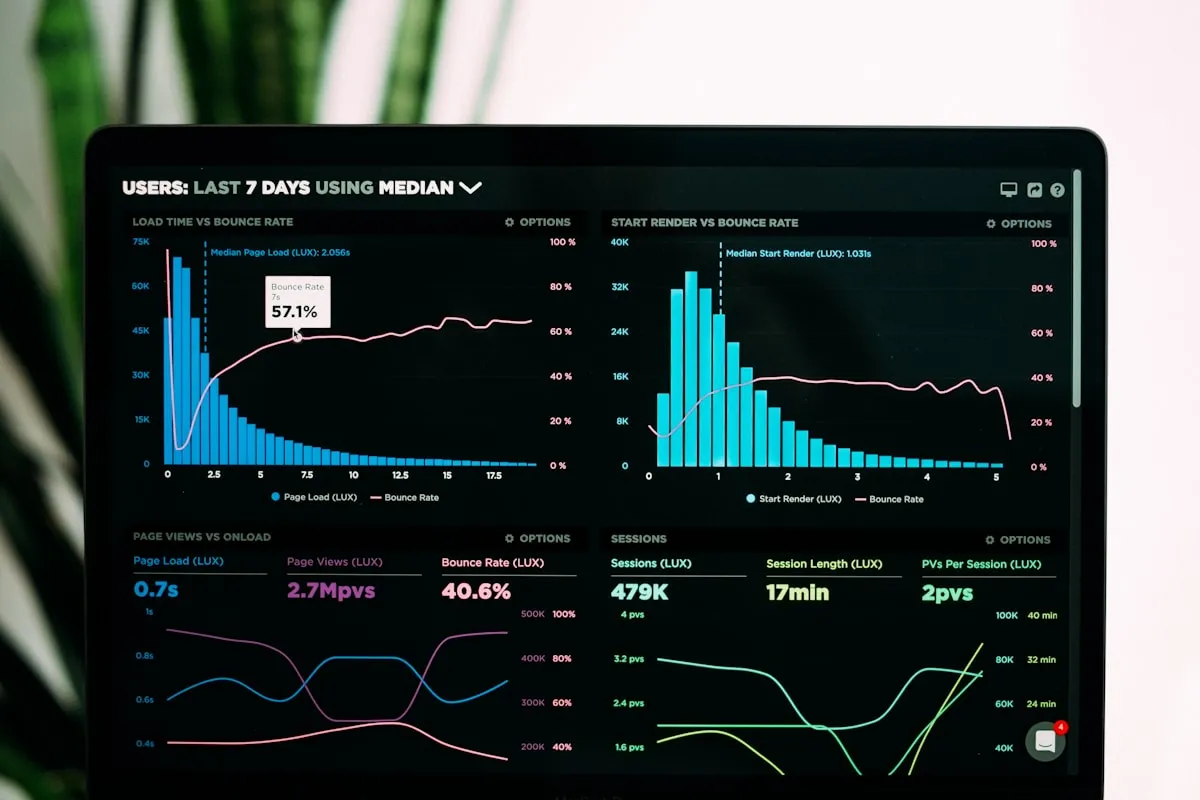
Key metrics to track for capacity planning
Effective capacity planning depends on tracking the right measures consistently over time. These are the essential metrics every business should monitor:
Labour cost percentage
Total labour cost divided by revenue — your primary efficiency metric. Track it weekly and monthly to spot trends. Benchmarks vary: hospitality typically runs around 25-35%, while retail often targets 10-20%.
Hours worked vs budgeted
Compare actual hours worked against rostered hours. Consistent variances flag scheduling inaccuracies. Regularly working more than rostered signals understaffing; less suggests overstaffing or productivity issues.
Overtime frequency and cost
Track how often employees work overtime and what it costs. Frequent overtime usually points to understaffing or poor roster design. Overtime is expensive under most Australian awards — cutting it through better planning saves money.
Shift fill rate
The percentage of required shifts you actually fill. Low fill rates indicate recruitment gaps, availability issues, or unattractive shift patterns. Track it by role and location to pinpoint problem areas.
Staff utilisation rate
Hours worked divided by available hours across your workforce. Low utilisation means you hold more capacity than you use; utilisation near 100% leaves no buffer for absences or demand spikes.
Absence patterns
Track sick leave, no-shows, and unplanned absences by day, season, and employee. Patterns reveal when you need buffer staff, and high absence rates can signal engagement or scheduling problems.
Analysing rostering patterns for insights
Raw data only becomes useful when you analyse it for patterns and trends. Here is how to extract actionable insight from your rostering data.
Demand pattern analysis
Examine your historical rosters alongside sales or service data to understand demand. Look for daily patterns (lunch rush, evening peak), weekly patterns (weekend versus weekday), monthly patterns (pay-week effects, school holidays), and seasonal patterns (Christmas, summer, winter slowdowns). Once you can see these patterns, you can build roster templates that match predicted demand, reducing both overstaffing and understaffing.
Skill coverage analysis
Map which employees hold which skills and qualifications, then analyse your rosters for shifts where critical skills are thin or depend on a single person. Single points of failure create risk — if your only certified forklift operator calls in sick, operations suffer. Build skill matrices, use them to set training and recruitment priorities, and cross-train employees to increase flexibility.
Availability pattern analysis
Aggregate staff availability data to see where your coverage gaps sit. If only a few employees are available for Tuesday nights, you have a structural problem that recruitment or roster redesign can solve. Understanding availability lets you hire strategically — recruit people whose availability fills your gaps rather than duplicating times you already cover.
Cost distribution analysis
Analyse where your labour costs concentrate. Are you paying excessive penalty rates because shifts extend into high-cost periods? Are certain roles or departments consuming a disproportionate share of hours? Understanding cost distribution helps you redesign rosters to improve spending while maintaining service. Australian Fair Work penalty rates make this analysis especially valuable — small scheduling changes can yield significant savings.
Practical capacity planning strategies
Turn your rostering insight into action with these strategies:
Set staffing ratios
Establish clear ratios between workload and staffing — one server per 15 customers, or one picker per 50 orders an hour. Use these as your baseline for roster planning.
Build casual pools
Maintain a pool of trained casuals who can fill peak-period gaps. Size it using historical data on how many extra staff you need in busy times and how often casuals are unavailable.
Cross-train for flexibility
Identify which additional skills would most improve rostering flexibility, then train strategically so several people can cover critical functions and peak demand.
Plan recruitment cycles
Use demand-pattern analysis to plan recruitment 6-8 weeks before you need extra staff. Hiring in crisis means accepting whoever is available rather than the best candidate.
Create roster templates
Build templates for different scenarios — normal week, busy week, holiday period, quiet season. Ready-made templates speed up roster creation and keep staffing consistent.
Establish agency relationships
Where temporary staff work well, build relationships with labour hire agencies before you need them. Pre-vetted agency staff give you a safety net for demand spikes or absences.
Building buffers for absences and no-shows
Even a perfectly forecast roster falls apart if you have no capacity to absorb the inevitable sick day, no-show, or last-minute callout. Buffer capacity is the difference between a manageable gap and a service failure. Rather than rostering to the bare minimum, plan for a realistic proportion of shifts to be affected, and design the roster so the gap can be filled quickly.
Plan a realistic absence buffer
As a rule of thumb, expect around 5-8% of shifts to be affected by unplanned absences during volatile periods. Rostering slightly above the bare minimum, plus an on-call pool you can reach through the rostering app, costs far less than a service failure from a gap you could not fill. Pair this with tactics from our guide to reducing staff no-shows.
Using technology for capacity planning
Modern workforce management technology puts capacity planning within reach of businesses of every size. Here is how the right tools support better planning:
Automatic data collection
Rostering software records every shift, clock-in, and change automatically. No manual data entry means more accurate data and less admin — the foundation for all capacity analysis.
Built-in reporting
Generate reports on labour costs, overtime, and fill rates without building spreadsheets. Scheduled reports keep you reviewing the numbers regularly, making capacity planning a habit rather than an occasional exercise.
Historical comparison
Compare current data against the same period last year to surface trends and anomalies. Is overtime creeping up? Are fill rates slipping? Year-on-year comparison reveals changes you would otherwise miss.
Forecasting tools
Advanced systems predict future staffing needs from historical patterns and business forecasts. Treat these as a starting point, refined with your knowledge of upcoming events and changes.
Integration with business systems
Connecting rostering to point of sale, bookings, or production systems lets you correlate staffing with demand in real time — the data foundation for sophisticated demand-based scheduling.
How RosterElf supports workforce capacity planning
RosterElf gives you the tools and data for effective capacity planning:
Workforce analytics
Comprehensive reports on labour costs, hours, overtime, and efficiency — see trends over time and compare across locations, departments, or periods.
Roster templates
Create and save templates for different scenarios with rostering software, then apply them quickly for consistent staffing under similar demand.
Skills and qualifications tracking
Track skills, certifications, and expiry dates, then roster by skill to ensure coverage and spot training needs before they become critical.
Availability management
Staff set their availability in the app. Aggregated availability shows where coverage gaps sit, informing recruitment and scheduling.
Budget tracking
Set labour budgets and see in real time how your roster compares, so you can adjust before publishing and stay within budget while meeting staffing needs.
Award interpretation
Automatic cost calculations under Australian awards reveal the true cost of each staffing decision — penalties, overtime, loadings — with seamless payroll integration.
Plan your workforce capacity with data. RosterElf gives Australian businesses the rostering analytics, budget tracking, and skills visibility to plan staffing levels, control labour costs, and prepare for growth — with automatic award interpretation built in.
Frequently asked questions
What is workforce capacity planning?
Workforce capacity planning is the process of analysing current staffing levels, predicting future demand, and ensuring you have the right number of skilled employees available when needed. It uses historical data, business forecasts, and rostering patterns to make informed decisions about hiring, training, and scheduling.
How can rostering data help with capacity planning?
Rostering data reveals peak demand periods, staff availability patterns, overtime trends, and skill coverage gaps. Analysing it lets you identify when you are understaffed or overstaffed, predict seasonal fluctuations, and make proactive decisions about recruitment and scheduling rather than reacting to problems after they occur.
What metrics should I track for workforce capacity planning?
Track labour cost as a percentage of revenue, hours worked versus budgeted, overtime frequency and cost, shift fill rate, staff utilisation, absence patterns, and turnover. Monitored consistently over time, these metrics reveal the trends that drive good capacity planning decisions.
How far ahead should I plan workforce capacity?
Plan across three horizons: short-term (1-4 weeks) for immediate scheduling, medium-term (1-6 months) for seasonal planning and recruitment, and long-term (1-3 years) for strategic workforce development. Each horizon needs different data and a different approach.
How do I calculate my ideal staffing level from a roster?
Start with a workload ratio for each role — customers per server, orders per picker, patients per carer — then match it to the demand your historical rosters and sales data predict for each period. Add a buffer of roughly 5-8% for absences during volatile periods, and check the result against your target labour cost percentage. Refine the ratio weekly by comparing rostered hours to actual hours worked.
How do seasonal businesses plan workforce capacity?
Seasonal businesses analyse historical rosters to identify demand patterns, build a pool of reliable casuals for peaks, cross-train permanent staff for flexibility, launch recruitment well before busy seasons, and line up labour hire agencies as backup. Our companion guide on planning workforce capacity for the new year covers the annual version of this.
What is the difference between overstaffing and understaffing costs?
Overstaffing wastes money directly — you pay for hours you do not need, and utilisation drops. Understaffing costs are less visible but often larger: lost sales, slower service, overtime to plug gaps, and staff burnout that drives turnover. Both erode morale and profit, which is why the aim of capacity planning is to sit as close to demand as your buffer allows rather than erring heavily to one side.
Can rostering software help with capacity planning?
Yes. Modern rostering software collects and analyses workforce data automatically, reports on key metrics, surfaces trends, and provides forecasting tools. This automation makes capacity planning accessible to businesses of every size, not only those with dedicated HR analytics teams.
How do I balance labour costs with adequate staffing?
Set clear staffing ratios based on workload metrics, then use rostering data to remove inefficiencies like consistent overstaffing in slow periods. Apply demand-based scheduling that flexes staffing to match real business needs while holding a minimum service standard, and watch your labour cost percentage against award costs as you go.