

Everything done before the first shift
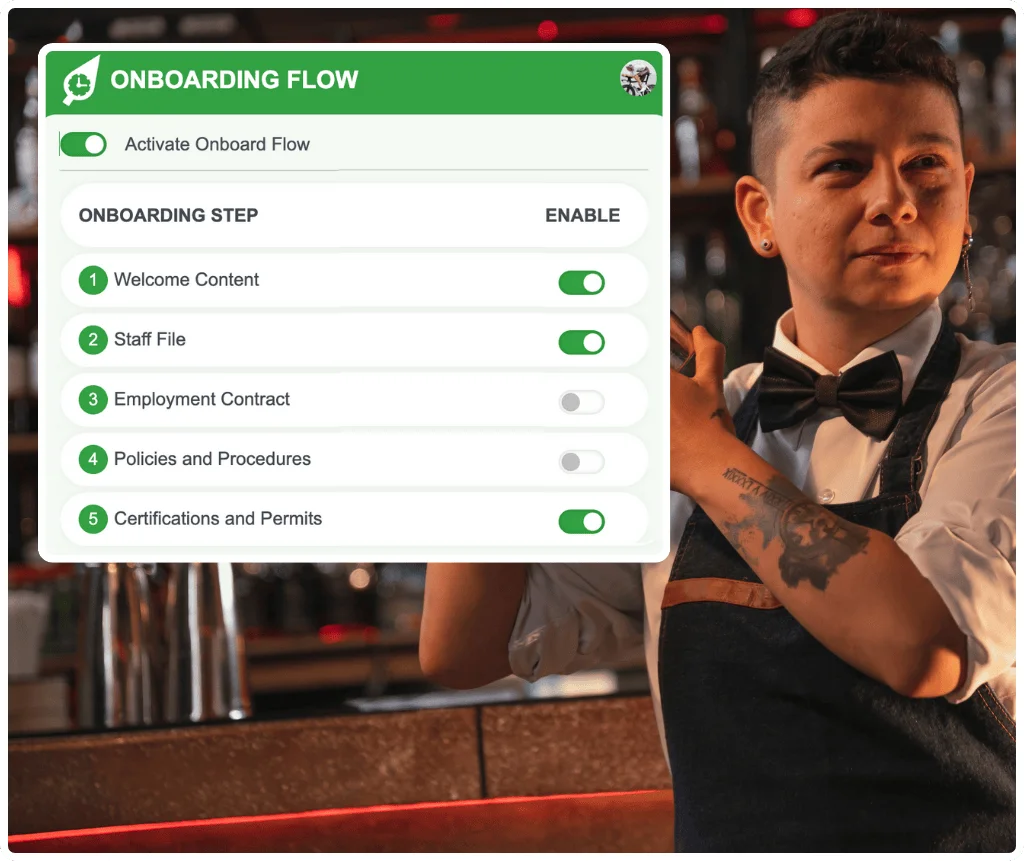
A New Zealand starter needs a signed agreement, a confirmed right to work, a tax code, KiwiSaver and a safety induction. RosterElf collects all of it digitally, so nothing is chased down after they have already worked a week.
-
Written agreement signed before employment starts
-
Work entitlement, IR330 and KiwiSaver captured on the record
-
Safety induction acknowledged and dated




Five things to get right before they start
None of these are Australian requirements translated across. Each one comes from a different New Zealand instrument, and each one is easier to satisfy before the first shift than after it.
1. A signed written agreement
Employment Relations Act 2000, s65
Every employee needs a written individual employment agreement — casuals included. It must be provided before employment starts, with a real opportunity to take independent advice on it.
Digital employment agreements →2. Confirmed entitlement to work
Immigration Act 2009
It is an offence to employ someone who is not entitled to work in New Zealand. Check the person’s citizenship, residence or work visa status, and keep the evidence on their record.
3. KiwiSaver enrolment
KiwiSaver Act 2006
Eligible new employees are automatically enrolled and given the information pack. They can opt out within the statutory window, and the compulsory employer contribution starts from their first pay.
4. An IR330 tax code declaration
Inland Revenue
Collected before the first pay run so PAYE is deducted on the right code from day one, rather than corrected later.
5. A health and safety induction
Health and Safety at Work Act 2015, s36
A PCBU must ensure workers are given the information, training, instruction and supervision needed to work safely. On a shift-based site that means a site-specific induction, not a generic slide deck.
General information, not legal advice. Employment New Zealand publishes starter guidance at employment.govt.nz.
The starter does the data entry, once
The slow part of onboarding is rarely the decision to hire. It is the week of chasing a bank account number, an IRD number and a signature — usually by text, usually from a manager who is also running a shift.
Onboarding flows into the same employee record the roster reads from, so the person who finished onboarding on Tuesday can be rostered on Wednesday without anything being re-keyed. See the staff app.
Related support articles
Step-by-step guides to help you get started
Completing the onboarding form
What a new starter fills in, and what happens to it once they submit.
Employee onboarding View guideReview and approve onboarding documents
How a manager checks and signs off a new starter’s paperwork.
Employee onboarding View guideCustomise the employee onboarding process
Set different onboarding paths for full-time, part-time and casual staff.
HR Hub View guideTrack staff onboarding progress
See which steps each new hire has completed and chase what is outstanding.
HR Hub View guideExplore related features
Discover other RosterElf features that work great together
Onboard before they arrive, not after
Agreements, work entitlement, KiwiSaver and inductions collected digitally and stored against the employee record.
Onboarding and HR process guides
What to capture at each stage, and where HR processes tend to break.

Employee lifecycle records: from onboarding to exit
What to record at each stage of employment, and what to keep afterwards.
Read article
HR processes that break as teams scale
Which processes fail past 20 staff — onboarding, records and approvals first.
Read article
Digital HR policies and contracts explained
Moving agreements and policies online, and recording who accepted what.
Read articleOnboarding FAQ
- At minimum: a signed written individual employment agreement, evidence of their entitlement to work in New Zealand, an IR330 tax code declaration, KiwiSaver enrolment or opt-out, and bank account details for pay. A health and safety induction should be recorded alongside them.
- No. That is an Australian requirement under the Fair Work Act and has no New Zealand equivalent. What New Zealand law requires instead is the written employment agreement under section 65, provided before employment starts, with the employee given a reasonable opportunity to seek independent advice on it.
- Yes. Under the Immigration Act 2009 it is an offence to employ a person who is not entitled to work here, and the obligation sits with the employer. Verify status before the first shift and store the evidence on the employee record so you can produce it later.
- Eligible new employees are automatically enrolled when they start, and deductions begin from their first pay along with the compulsory employer contribution. They can choose to opt out within the window Inland Revenue sets, or to stay in and select a contribution rate. Current rates are published at ird.govt.nz.