

Six years of wage, time and leave records — on demand
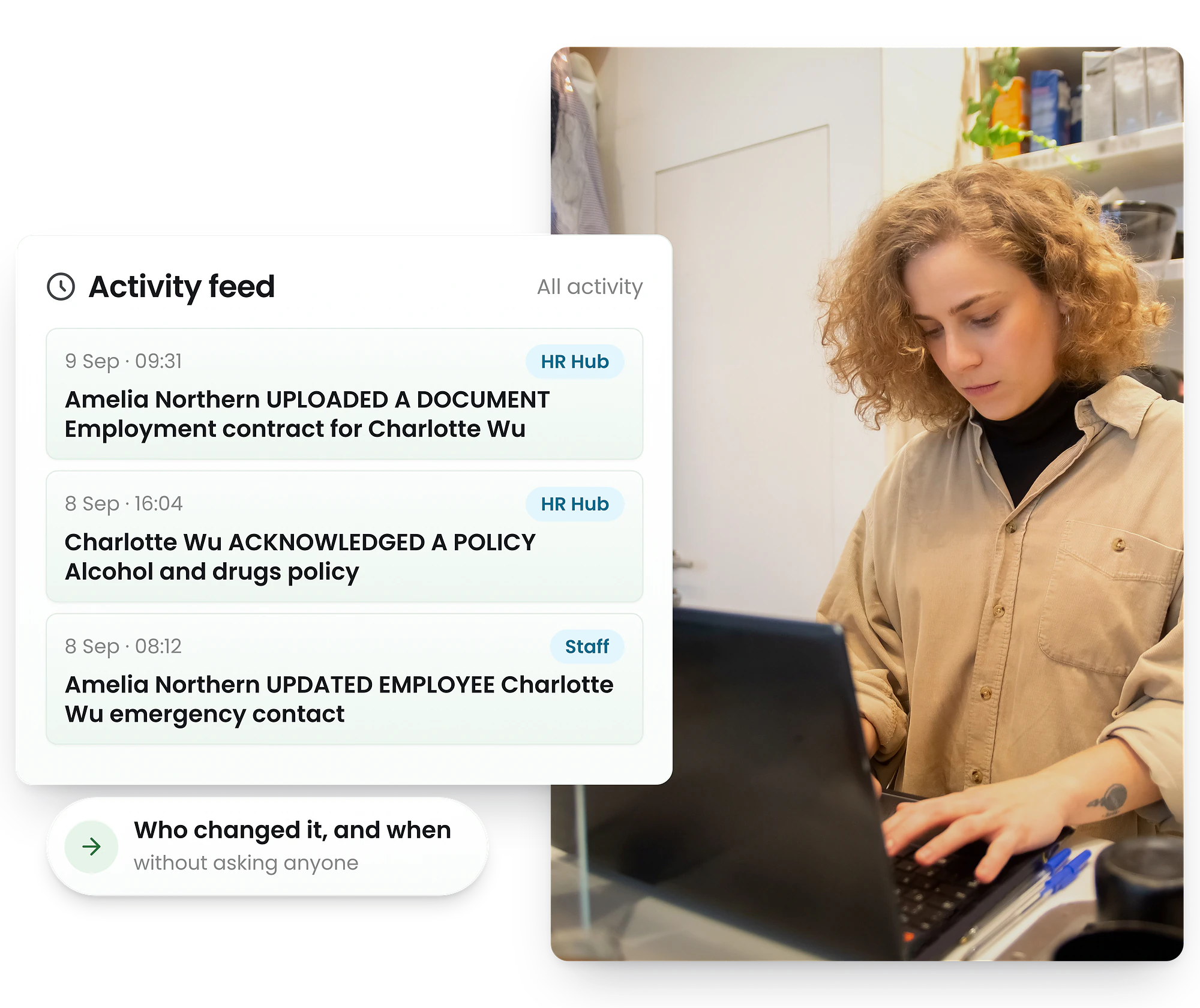
New Zealand employers must keep a wages and time record and a holiday and leave record for at least six years, including after someone leaves. RosterElf builds both from the rosters and timesheets you already run.
-
Wages and time record under Employment Relations Act 2000 s130
-
Holiday and leave record under Holidays Act 2003 s81
-
Six-year retention, accessible to the employee on request




What you are required to hold
New Zealand law names two records. They may be kept together, and in practice they should be — two sources drift apart.
Wages and time record
Employment Relations Act 2000, s130
- The hours worked each day, and the pay for those hours
- The wages paid each pay period and how they were calculated
- The employee’s name, age where relevant, and their agreement type
Holiday and leave record
Holidays Act 2003, s81
- Annual holidays, sick leave and other leave taken
- The dates leave was taken and the payment made
- Current entitlement and accrued balances, and how they were arrived at
The records outlast the employment
Six years is longer than most people stay. That means the records you need on the worst day — an inspection, or a claim about hours worked in 2023 — are usually the records of someone who has already left, kept by a manager who has also left.
Where spreadsheet-based records fail
- The file lived on one manager’s drive and left with them
- Balances were overwritten each year, so the working is gone
- Leave was recorded in one place and pay in another, and they disagree
- Nobody can say which version of the agreement applied in a given month
Held securely, and visible to the person it is about
Role-based access
Managers see the people at their sites. A shared drive gives everyone everything, which is the opposite of the principle.
One employee record
Agreement, policies accepted, certifications, hours and leave against one person — so a request for “my file” has one answer.
General information, not legal advice.
Explore related features
Discover other RosterElf features that work great together
Stop rebuilding records from memory
Wage, time and leave records built from the rosters and timesheets you already run — and kept for the six years the law asks for.
Record-keeping guides
Why records fail, and what good ones look like.

Digital HR records vs paper files
Why paper employee files raise your compliance risk.
Read article
HR documentation accuracy: what auditors look for
The gaps inspectors find first, and how to close them.
Read article
HR access controls: who should see what (and why)
Role-based access, and why a shared drive is not it.
Read articleHR records FAQ
- At least six years. That applies to both the wages and time record under section 130 of the Employment Relations Act 2000 and the holiday and leave record under section 81 of the Holidays Act 2003, and the clock does not stop when the employee leaves — you must still hold the records of someone who resigned four years ago.
- Yes. Records may be kept on paper or electronically, provided the information is easily accessible and can be produced when asked for. In practice electronic records are easier to defend, because they carry the dates and calculations that a rebuilt spreadsheet cannot.
- No. The Holidays Act expressly allows the holiday and leave record to be kept so that it forms part of the wages and time record required under section 130. Holding them together is usually simpler and removes the risk of the two disagreeing.
- The employee, or their representative, can request them — and a Labour Inspector can require them. Records must be accessible, which is why giving employees their own view of hours and leave is both a service and a compliance measure.